President Donald Trump has halted "Project Freedom," a US military initiative aimed at escorting ships through the Strait of Hormuz, following a denial of access to Saudi Arabian bases and airspace. The abrupt reversal, announced over the weekend, occurred after a personal appeal from Trump to Saudi Crown Prince Mohammed bin Salman failed to secure the necessary permissions.
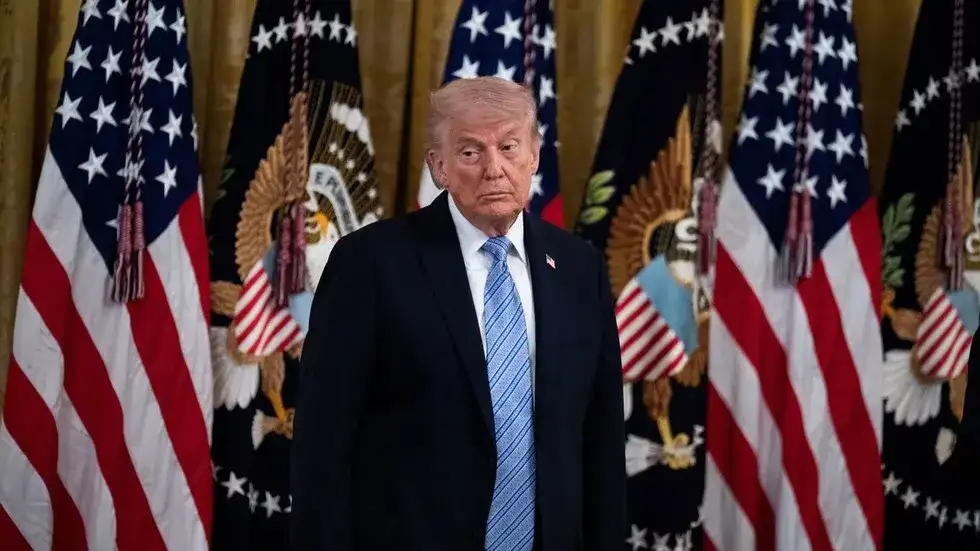
== The core of the disruption lies in Saudi Arabia's refusal to permit US military aircraft, crucial for providing a "defensive umbrella" for vessels, to utilize its airspace and key airbases.== This effectively crippled the operational capability of Project Freedom, which was designed to break Iran's blockade of the strategic waterway. US military personnel and aircraft, including fighter jets and refueling tankers, are stationed at Prince Sultan Airbase in Saudi Arabia.

The decision to pause the operation comes amid broader diplomatic complexities, including ongoing, albeit faltering, talks with Iran regarding its nuclear program and the postwar control of the Strait of Hormuz. Iran had previously warned that escorting oil tankers or attacking its shipping would be considered a breach of the existing ceasefire. Saudi Arabia, along with other Gulf states, reportedly feared that Project Freedom could escalate into a direct naval confrontation between the US and Iran, potentially jeopardizing the fragile truce that has been in partial effect since April 7.
Read More: AFP Reviews War Crime Claims Against Australian in Gaza
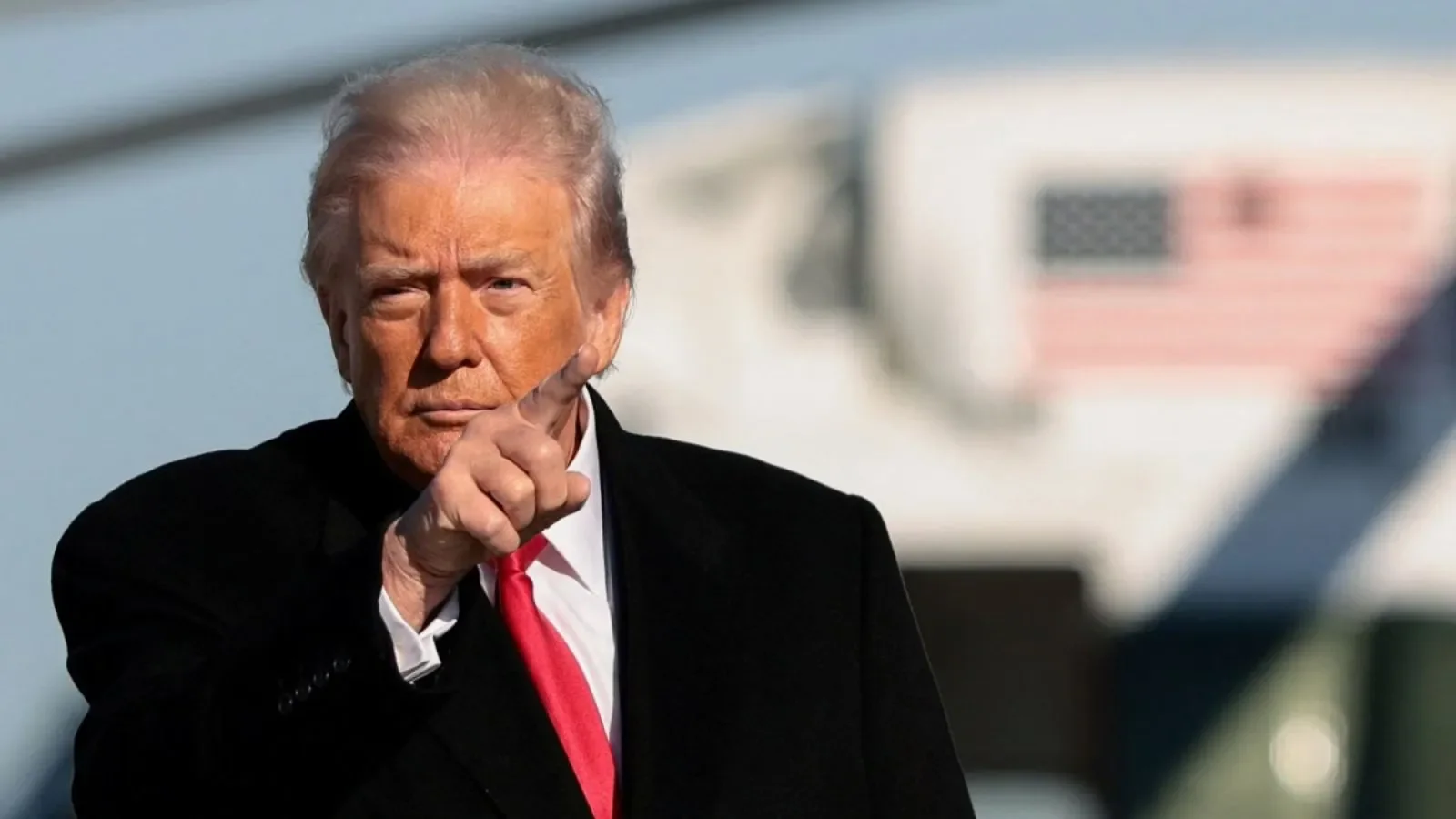
Diplomatic Discord and Unilateral Announcements
Reports suggest a lack of prior consultation with key regional players, including Oman, with whom coordination reportedly only occurred after Project Freedom's announcement. This unilateral approach may have contributed to the backlash from allies. The US military had reportedly been preparing additional naval deployments in the Gulf prior to the operation's suspension, which lasted approximately 36 hours.

The initiative itself, which involved guiding trapped ships through the blockaded strait, was a successor to an earlier operation, "Operation Epic Fury." This earlier operation, which involved a US blockade on Iran-linked shipping starting April 13, predated the current temporary ceasefire. The subsequent US actions in the Strait of Hormuz had reportedly sparked fears of renewed conflict, with Iran launching attacks on the United Arab Emirates and the US responding to Iranian vessels.
While Saudi officials reportedly rejected some US media characterizations of the events, the denial of airspace and base access remains central to the pause of Project Freedom. The situation highlights the intricate and often volatile geopolitical landscape of the Persian Gulf, where regional powers wield significant influence over US military operations.
Read More: Gulf Oil Exports Rise in June but Still Below Pre-War Levels