ARCHIVAL DATA SPILLED OPEN
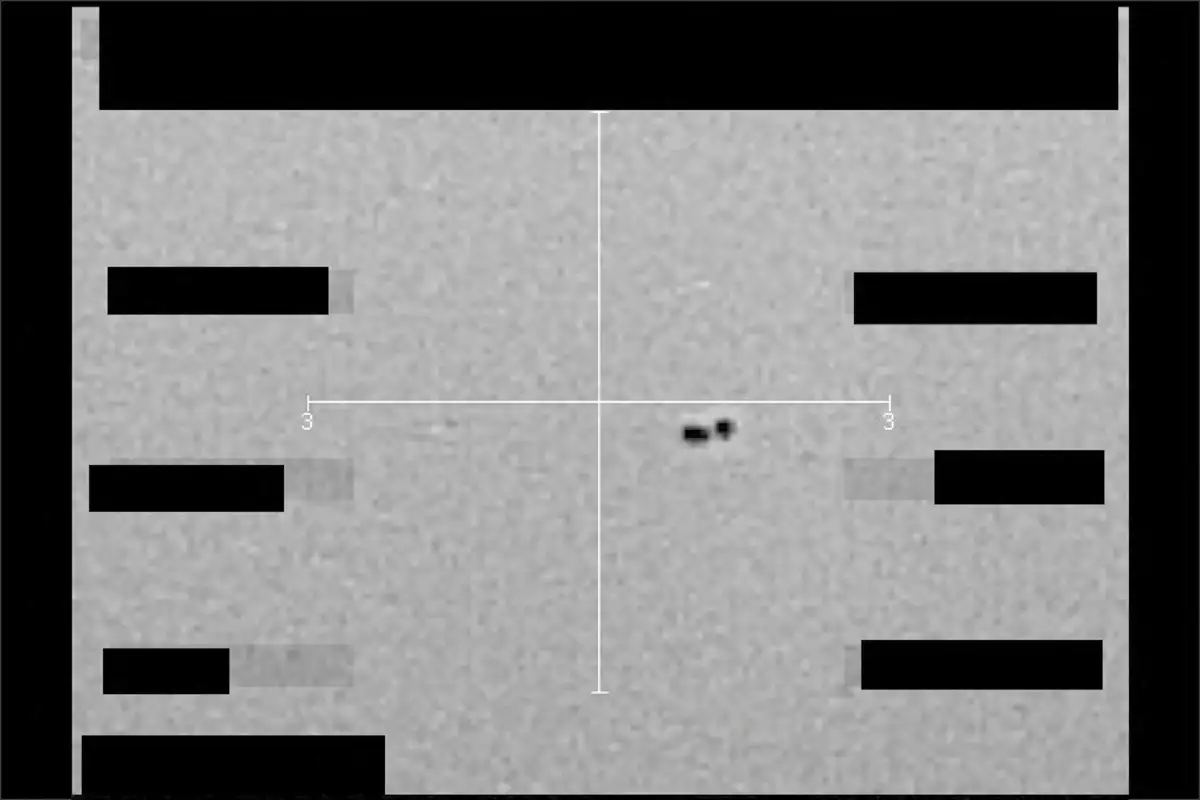
The Pentagon has initiated the release of a substantial trove of documents concerning 'unidentified anomalous phenomena' (UAP), previously known as UFOs. This initial release, numbering 162 files, offers a fragmented glimpse into decades of reported encounters, some dating back to the 1940s. The move, touted by the administration as a commitment to maximum transparency, leaves the interpretation of these aerial oddities squarely with the public.
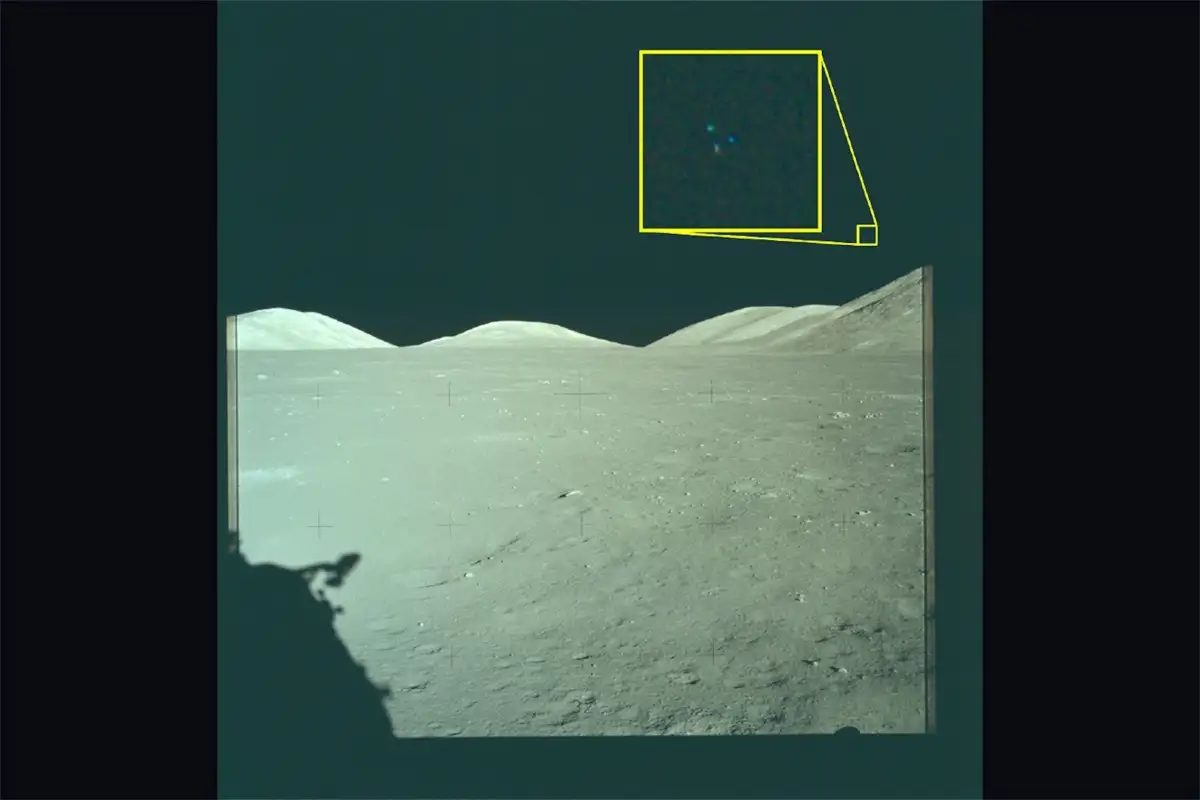
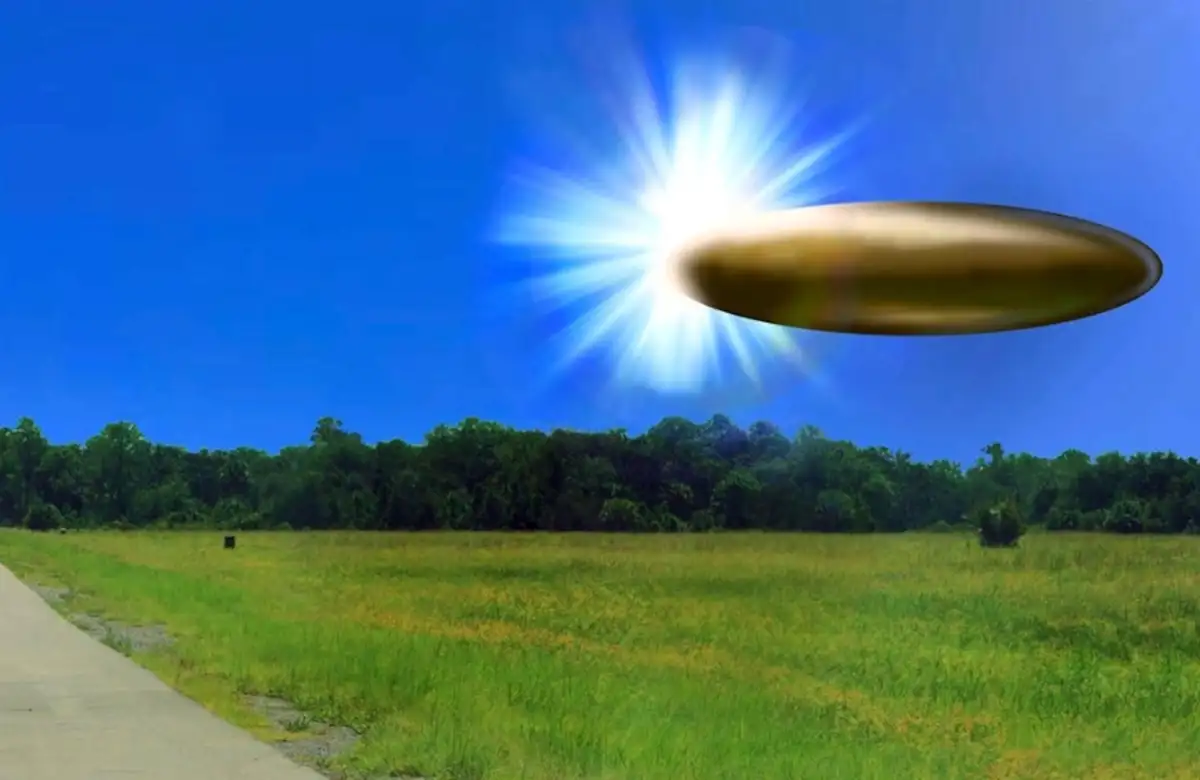
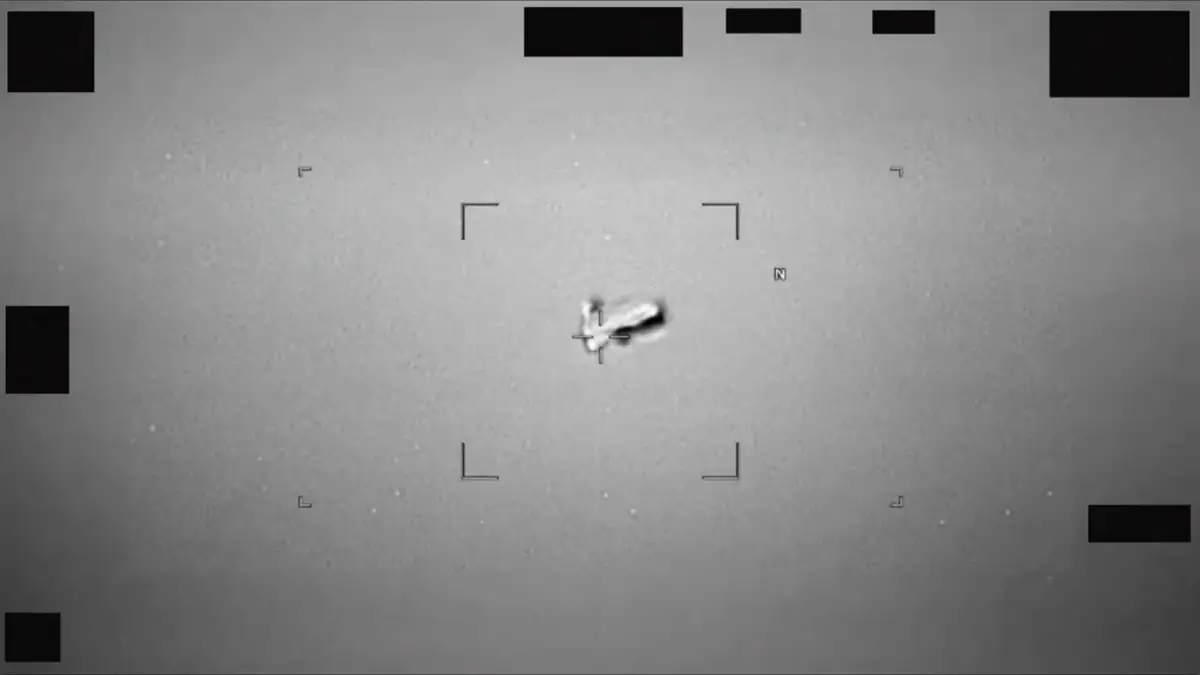
The core of this disclosure lies in the sheer volume of raw data now accessible, spanning sightings from military pilots, Apollo missions, and civilian reports across the globe. The nature of the phenomena, as detailed in the released materials, often involves objects exhibiting unusual flight characteristics – bright lights, corkscrew movements, and star-shaped configurations. Yet, crucially, the files themselves, according to official statements, do not confirm any "encounter reported as a UAP or related phenomena" beyond the unexplained nature of the sightings.
Read More: Acting DNI Pulte Fires Dozens of Intelligence Officials Starting Thursday
NO EASY ANSWERS IN BLACK AND WHITE
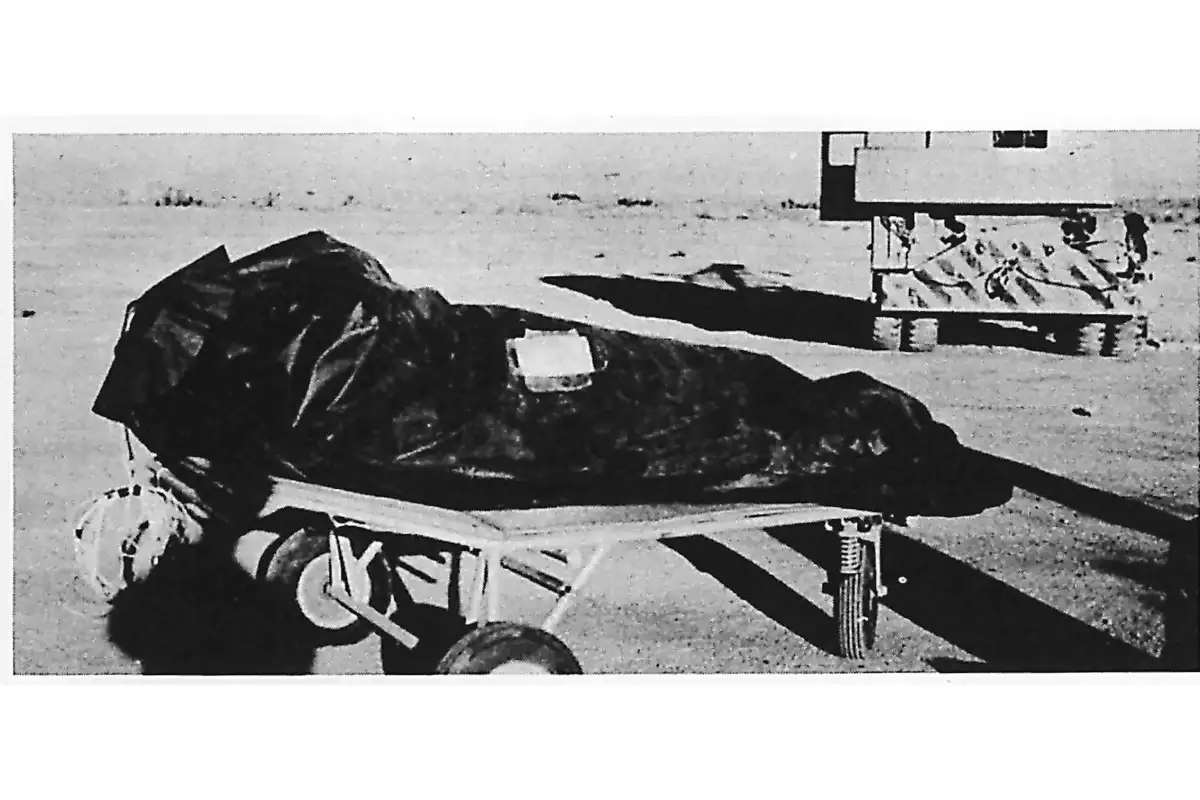
A newly launched Pentagon website serves as the repository for these declassified materials. Its aesthetic is deliberately sparse, featuring stark, black-and-white military imagery and typewriter-style fonts, lending a retro, almost conspiratorial air to the presentation. This curated digital space now houses everything from old State Department cables and FBI documents to NASA transcripts from crewed space flights.
While the release is framed as a departure from past administrations' alleged attempts to "discredit or dissuade the American people," the Pentagon maintains that redactions were made to safeguard sensitive information – specifically, protecting the identities of witnesses, the locations of government facilities, and details about military sites unrelated to the UAP itself. However, a critical caveat is noted: no redactions have been applied to information directly concerning the "nature or existence of any encounter reported as a UAP." Despite this assurance, a significant portion of the files, 108 out of 162, do contain redactions, leaving room for speculation on what remains obscured.
Read More: Indigenous Data Rights Now Key in Conservation Genomics
DECADES OF THE UNEXPLAINED
The impulse to catalog and potentially understand these airborne enigmas is not new. The Pentagon has been documenting UAP reports for decades, and Congress officially established an office dedicated to resolving these anomalies in 2022. This recent release appears to be part of a broader, ongoing effort to declassify and present this information.
Official statements, and indeed the historical context provided by the released documents, suggest that many reported UAP incidents, while perplexing, ultimately posed no apparent threat, with the phenomena often departing abruptly. Former head of the Pentagon's All-domain Anomaly Resolution Office, Sean Kirkpatrick, has previously advised caution against hasty conclusions, positing that the concentration of sightings around military installations could be a reflection of increased surveillance and advanced equipment deployment in those areas. The Trump administration, specifically, has been credited with pushing for this broader release, following earlier declassifications of sensitive records related to historical assassinations. Future batches of documents are expected to be released periodically.
Read More: New York City Mamdani Administration Fights for 9/11 Records