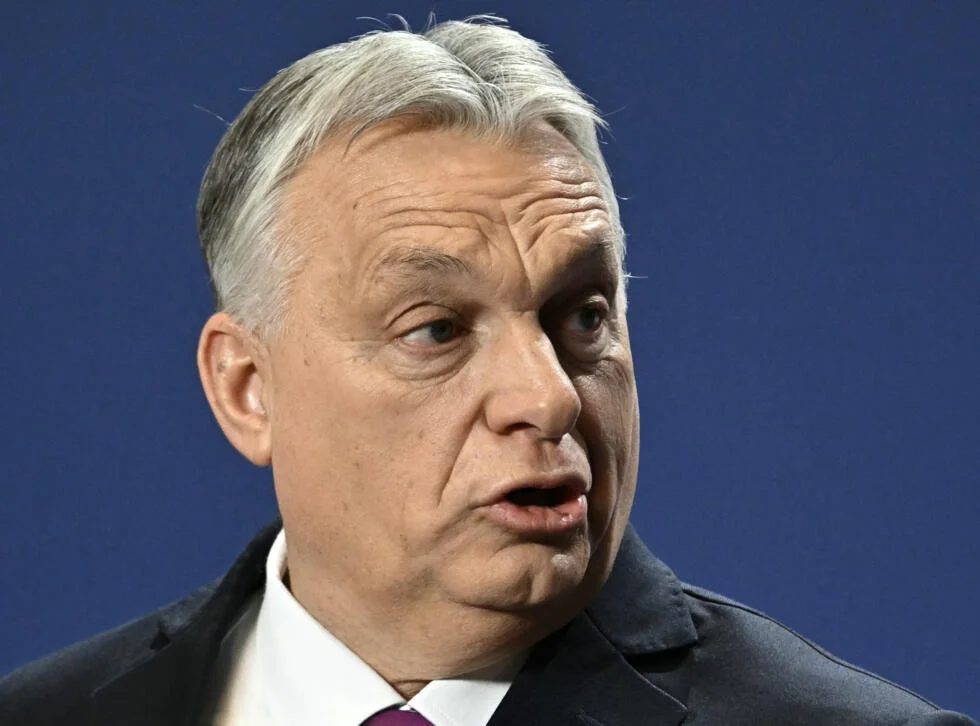
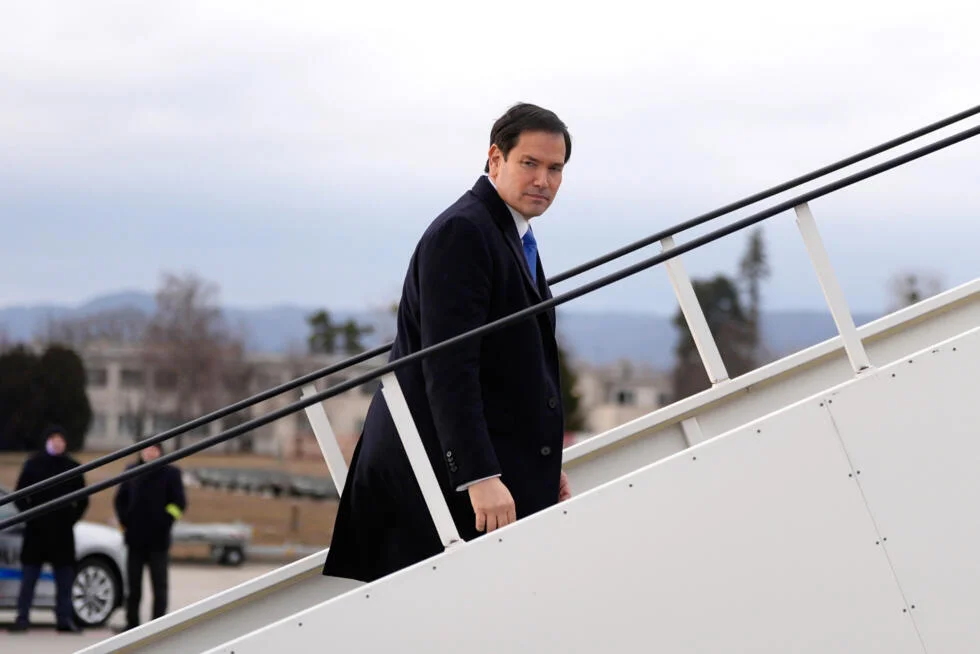
United States Secretary of State Marco Rubio, serving also as President Donald Trump's national security adviser, met with Hungarian Prime Minister Viktor Orbán in Budapest. During the meeting, Rubio conveyed that President Trump is "deeply committed" to Orbán's success, a statement made just weeks before Hungary's national elections. The visit underscores a deliberate effort by the U.S. to reinforce ties with conservative leaders in Central Europe who share warm relationships with Trump and have expressed skepticism towards the European Union. This U.S. endorsement arrives at a crucial juncture for Orbán, who is currently facing a challenging election in April and has been a notable ally of Trump in Europe.
Context of the Meeting and Broader U.S.-Hungary Relations
The meeting between Rubio and Orbán occurred on February 16, 2026, as part of Rubio's two-day tour of Central Europe, which also included a stop in Slovakia. This visit aimed to strengthen relationships with governments that have maintained close ties with President Trump, even as other European nations have experienced tensions with the U.S. administration.
Read More: US F-15E Strike Eagle downed over Iran on Friday creates new military and diplomatic risks
Orbán's Political Standing: Prime Minister Orbán, a nationalist leader who has held power for an extended period, is preparing for legislative elections on April 12. Recent opinion polls suggest he is trailing his primary opposition candidate, making this U.S. endorsement a potentially significant factor in the upcoming vote. Orbán has frequently engaged in disagreements with the European Union on various policies while maintaining generally amicable relations with Russia and expressing criticism of Ukraine.
U.S. Foreign Policy Alignment: Rubio's visit and remarks suggest a deliberate alignment of U.S. interests with the leadership of figures like Orbán. This approach appears to stem from a shared conservative political outlook and a critical stance on issues such as mass immigration, as articulated by Rubio in a previous speech at the Munich Security Conference. The U.S. has also sought to reassure European allies regarding its commitment to NATO and other geopolitical matters.
Economic and Diplomatic Engagements: Beyond political statements, the visit also coincided with plans for the U.S. and Hungary to sign a civilian nuclear cooperation pact, signaling deeper diplomatic and economic ties between the two nations. Hungary has also hosted U.S. conservative conferences, such as the Conservative Political Action Conference (CPAC), further solidifying a perceived ideological connection.
Key Statements and U.S. Endorsement
Secretary of State Marco Rubio's remarks at a joint press conference with Prime Minister Orbán in Budapest highlighted the strategic importance the U.S. places on Hungary's leadership.
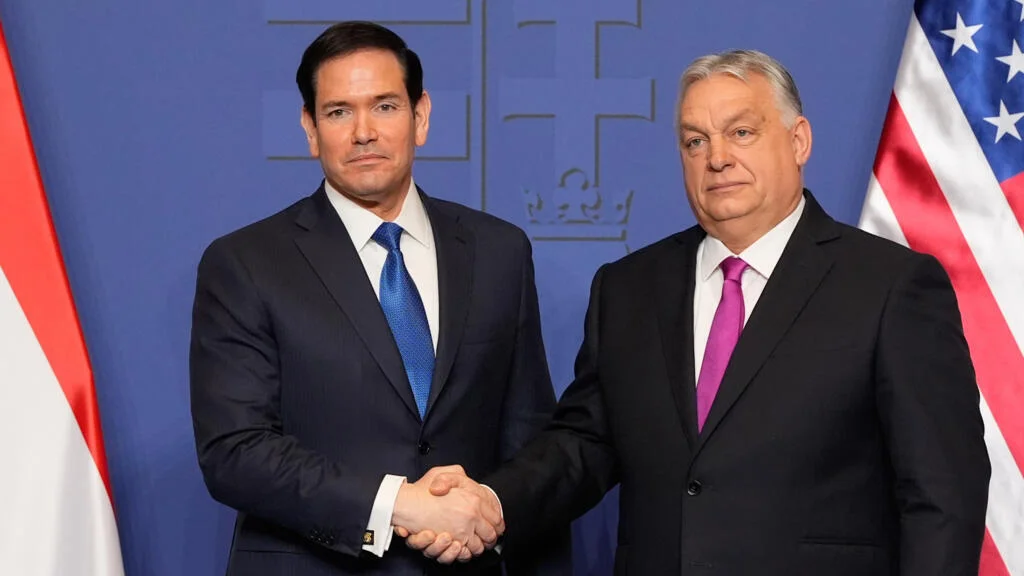
"President Donald Trump is committed to the success of Hungarian Prime Minister Viktor Orban because his leadership is crucial for U.S. national interests."
This statement, echoed across multiple reports, directly links Orbán's success to the strategic objectives of the United States. Rubio further elaborated on the relationship, stating:
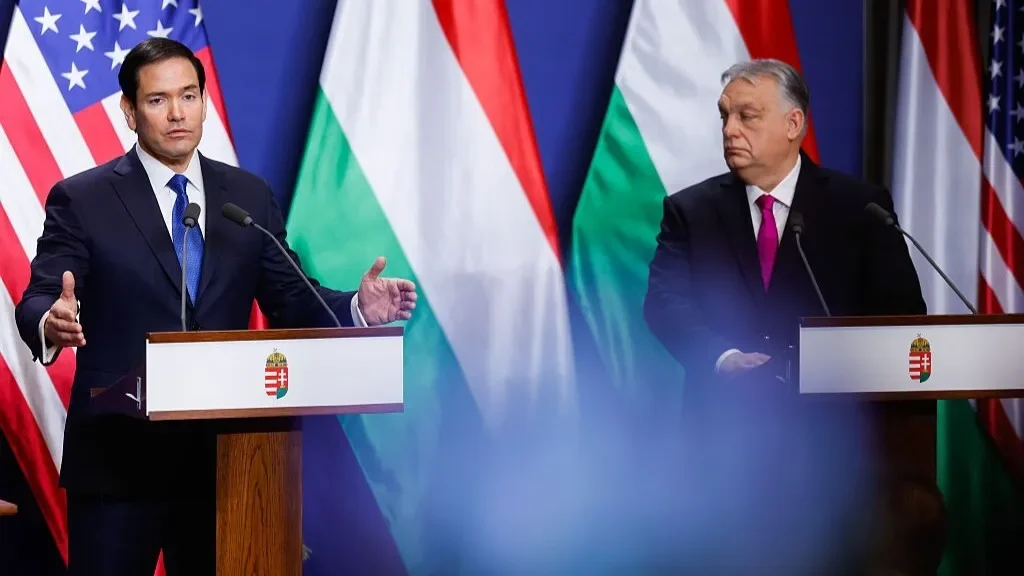
"Your success is our success. A new golden age has set upon us concerning the relationship between the United States and Hungary."
These phrases underscore a deliberate framing of the bilateral relationship as one of mutual benefit and shared destiny, particularly emphasizing the perceived positive trajectory of U.S.-Hungary ties.
Analysis of U.S. Strategy and European Dynamics
The proactive U.S. engagement with Prime Minister Orbán, particularly in the lead-up to an election, warrants detailed examination. This diplomatic maneuver appears to serve multiple objectives within the broader context of U.S. foreign policy and its evolving relationship with Europe.
U.S. Interest in Hungarian Leadership
Strategic Alignment: The U.S. explicitly links Orbán's leadership to "U.S. national interests." This suggests a belief that Orbán's policies and political stance are beneficial to American strategic goals, particularly in Central Europe. Is this based on shared geopolitical perspectives or specific policy convergences?
Conservative Bloc: Both Trump and Orbán represent a strong conservative, nationalist political current. Rubio's visit can be seen as an effort to bolster this ideological bloc within Europe, which may be viewed as a counterweight to other European Union policies or alliances. What specific U.S. policies are perceived as being advanced by Orbán's government?
Economic and Nuclear Cooperation: The planned signing of a civilian nuclear cooperation pact signifies a concrete area of mutual benefit. This agreement could enhance energy security for Hungary and create opportunities for U.S. industry, further cementing the relationship. What are the long-term implications of this nuclear cooperation for regional energy dynamics and U.S. influence?
Orbán's Electoral Challenge and External Support
Election Dynamics: Orbán faces a significant electoral challenge in April. The timing of Rubio's visit and Trump's strong endorsement, as conveyed by Rubio, suggests an attempt to influence Hungarian voters by leveraging the perceived popularity and influence of Donald Trump. To what extent can external endorsements impact the outcome of Hungarian domestic elections?
EU Relations: Orbán has frequently clashed with the European Union. U.S. support, particularly from a figure like Trump who has also expressed critical views of EU institutions, may be intended to embolden Orbán in his stance against perceived overreach by Brussels. Does this U.S. support embolden Orbán's anti-EU rhetoric and actions?
Perceived Alliances: Orbán's past engagements, including visits to Trump's Mar-a-Lago resort and hosting conservative conferences, suggest a deliberate cultivation of a close relationship with Trump. Rubio's visit appears to reciprocate and validate this overture. What are the implications for other EU member states regarding this bilateral U.S.-Hungary alignment?
Conclusion and Implications
The assertion by U.S. Secretary of State Marco Rubio that President Trump is "deeply committed" to Prime Minister Viktor Orbán's success signifies a notable diplomatic endorsement ahead of Hungary's critical April elections. The U.S. framing of Orbán's leadership as essential to American national interests, coupled with declarations of a "golden age" in bilateral relations, points to a deliberate strategy of strengthening ties with conservative European leaders.
Read More: Barcelona wants Inter Milan defender Bastoni for €80 million in summer
Strategic Alignment: This U.S. stance suggests a foreign policy prioritizing alliances with leaders who share similar political ideologies and strategic outlooks, particularly concerning issues like national sovereignty and a critical view of established European Union policies.
Electoral Impact: The timing of the endorsement, with Orbán facing a competitive election, raises questions about the potential influence of U.S. political figures on Hungarian domestic politics.
Transatlantic Relations: This overt support for a leader often at odds with the EU could further complicate U.S.-Europe relations, potentially signaling a preference for bilateral ties over a unified European front on certain issues. The reinforcement of civilian nuclear cooperation adds a concrete economic and strategic dimension to this developing relationship.
Sources:
The Guardian: https://www.theguardian.com/world/live/2026/feb/16/marco-rubio-viktor-orban-hungary-ukraine-europe-france-germany-europe-live-news-updates
Marketscreener: https://www.marketscreener.com/news/trump-committed-to-hungarian-pm-orban-s-success-says-rubio-ce7e5dd8d98bf522
The Straitstimes: https://www.straitstimes.com/world/europe/trump-committed-to-hungarian-pm-orbans-success-says-rubio-ahead-of-hungary-polls
France 24 (1): https://www.france24.com/en/live-news/20260216-rubio-visits-trump-s-friend-orban-ahead-of-hungary-polls
Bloomberg: https://www.bloomberg.com/news/videos/2026-02-16/rubio-to-hungary-s-orban-your-success-is-our-success-video
France 24 (2): https://www.france24.com/en/europe/20260216-rubio-meets-orban-as-trump-ally-lags-in-polls-ahead-of-hungary-elections
BFMTV: https://www.bfmtv.com/international/amerique-nord/etats-unis/video-marco-rubio-assure-que-donald-trump-souhaite-le-succes-du-premier-ministre-hongrois-viktor-orbanVN-202602160457.html
France 24 (3): https://www.france24.com/en/europe/20260215-rubio-heads-slovakia-hungary-to-bolster-ties-pro-trump-leaders-eastern-europe
RTL Luxembourg: https://today.rtl.lu/news/world/rubio-visits-trumps-friend-orban-ahead-of-hungary-polls-723827712
Kuwait Times: https://kuwaittimes.com/article/39904/world/rubio-visits-trumps-friend-orban-ahead-of-hungary-polls/amp/
ABC News: https://abcnews.go.com/International/wireStory/rubio-meets-orbn-budapest-us-hungary-sign-civilian-130199663
DW: https://www.dw.com/en/marco-rubio-visits-trump-allies-in-eastern-europe/a-75980359