Biometric System Continues to Stumble, Ports Report Delays
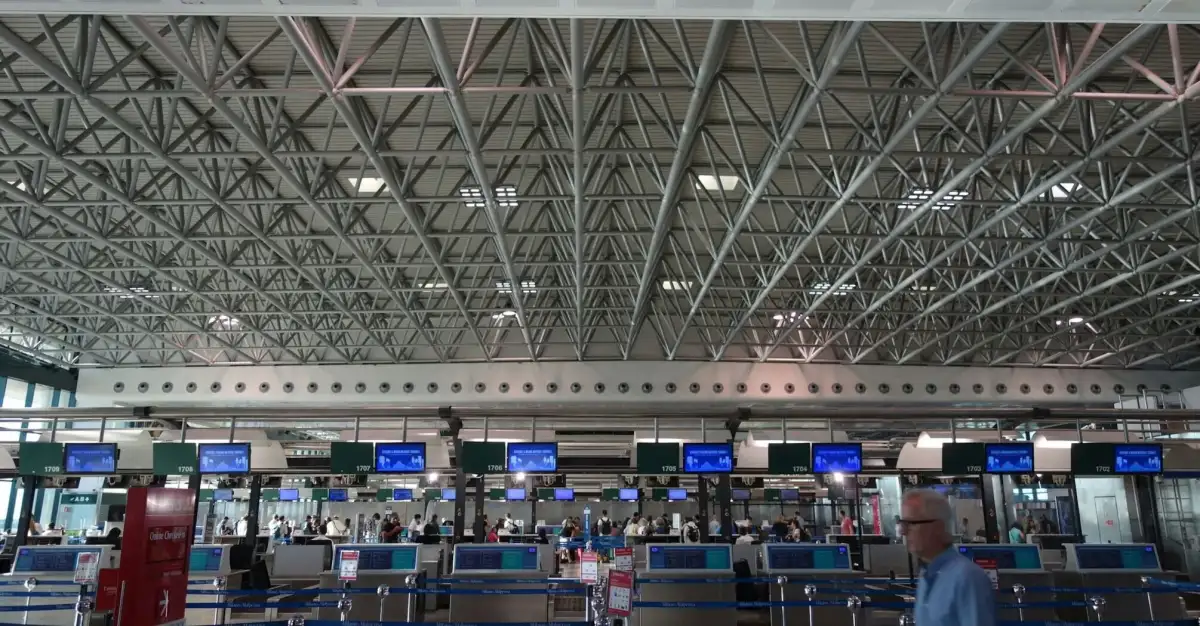
The European Union's ambitious 'entry-exit system' (EES), designed to replace traditional passport stamps with biometric data for non-EU travellers, continues to face significant operational hurdles, casting doubt over its smooth implementation for cross-Channel journeys. Despite an official mandate for EES checks to take effect on April 10th, travellers using services like Eurostar and Eurotunnel have been advised to maintain their usual arrival times, indicating a lack of readiness at key border points. This follows a pattern of phased introductions that have already resulted in considerable delays at various European airports, suggesting the system's complexities are proving more tenacious than anticipated.
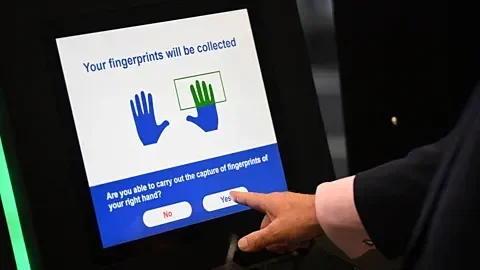
The core issue revolves around the practical application of biometric data collection—facial images and fingerprints—for individuals entering the Schengen Area. While the EES promises enhanced security and streamlined processing in theory, its rollout has been marked by "technical failures, overcrowded kiosks, and operational bottlenecks," according to reports from October 2025. These disruptions have led to instances where airports, such as Lisbon, have had to pause EES checks for extended periods to mitigate prolonged queues. The current situation suggests travellers may continue to encounter a mixed reality of manual passport stamping and nascent biometric checks in the immediate future.
Read More: New Airline Rules: Passengers Block Aisles and Recline Seats Too Soon
Operational Challenges Persist Across Borders
The strain on existing border infrastructure has become increasingly evident as the EES makes its way towards full deployment. Ports and terminals servicing cross-Channel routes, along with major international airports, have been identified as areas susceptible to significant congestion. This predicament has prompted travel associations to advocate for pauses or limitations on checks when queues become unmanageable, a plea underscored by the ongoing struggles at various entry points.
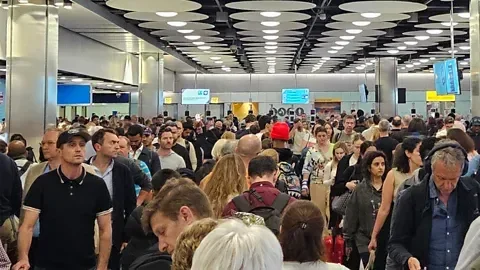
The implications for travellers are stark. Even individuals who have previously registered their biometric data for the EES are still required to undergo the same processing as first-time users. This means that even after an initial enrolment, subsequent trips do not bypass the standard EES queue, necessitating continued allowance for extra time at borders, especially during the first journey following a passport renewal. Travel experts consistently recommend adding substantial buffer time, upwards of four hours, to travel plans to account for potential, unannounced delays.
Read More: Barcelona wants Inter Milan defender Bastoni for €80 million in summer
Background: The EES Initiative and Its Uneven Adoption
The EES initiative, conceived as a modernisation of border control for the Schengen Area, aims to replace the manual stamping of passports for non-EU citizens with digital verification. This system applies to all non-EU citizens travelling to the Schengen Area, including residents of non-Schengen European countries. The stated intention is to bolster security and create a more efficient border management process.
However, the path to this digital frontier has been fraught with difficulties. Reports from late 2025 indicated that technical glitches were a primary cause of travel chaos, forcing adjustments to implementation schedules. Furthermore, the EES raises significant 'data privacy and ethical concerns', adding another layer of complexity to its widespread adoption. The rollout has been described as "steady," with a rising percentage of third-country arrivals subjected to EES checks at select entry points, yet the widespread operational hiccups suggest the system is still navigating its 'teething problems'. For car travellers specifically, certain checks, such as those at the Folkestone-Calais Eurotunnel, have at times been put on hold, further highlighting the inconsistent application of the new system.
Read More: Travelers Debate 'Rollaboard' vs 'Rollerboard' Luggage Terms