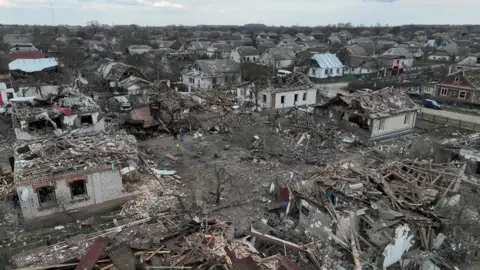
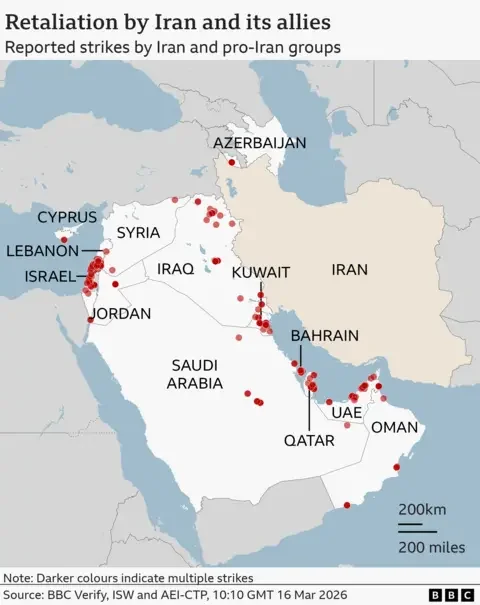
Tehran has reportedly turned down a 48-hour ceasefire proposal originating from the United States, according to Iranian media citing an unnamed source. This rejection comes as reports suggest a push for negotiations was made by another, unspecified country. The situation remains volatile, with continued reports of strikes and counter-strikes in the region.

The core of the unfolding events points to a refusal by Iran to accept a short-term pause in hostilities proposed by the U.S., indicating a complex diplomatic landscape and potentially deeper strategic objectives at play.

In the immediate aftermath of this reported rejection, incidents have continued to punctuate the conflict. Iranian media has claimed that a projectile struck near the Bushehr nuclear facility, resulting in one fatality. Explosions have also been reported at the Mahshahr Petrochemical Special Economic Zone. Separately, the Lebanese group Hezbollah has claimed responsibility for rocket attacks targeting Kiryat Shmona in northern Israel.
Read More: Russia accused of Easter attacks in Ukraine instead of ceasefire
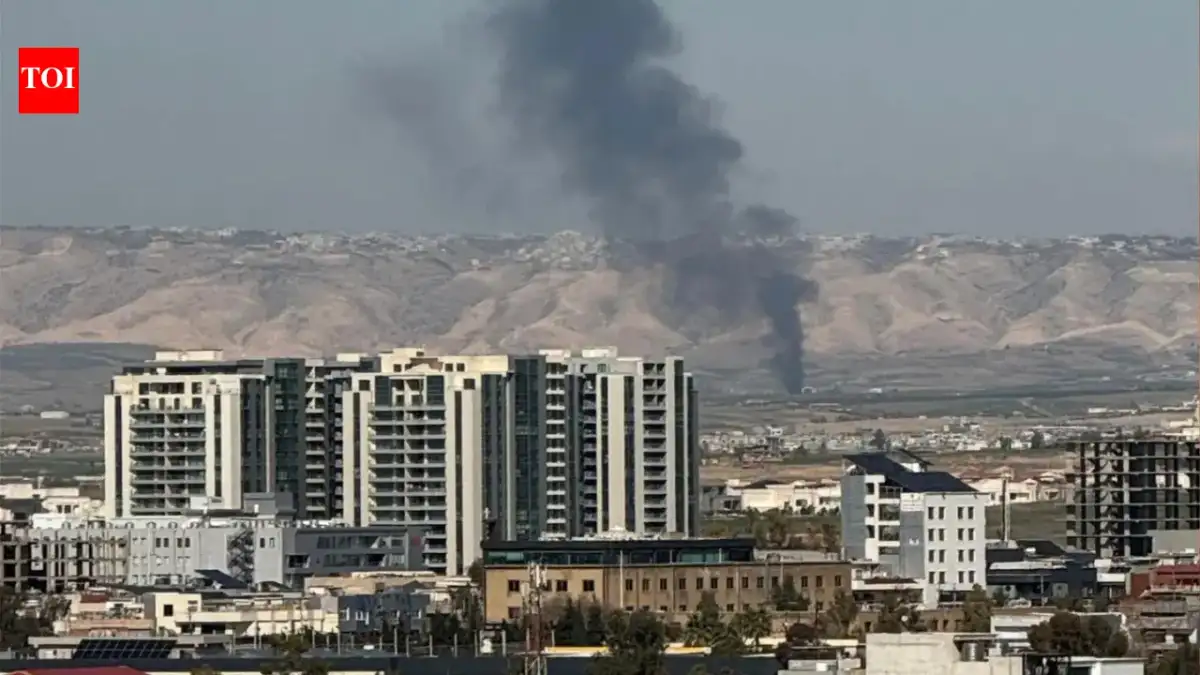
Further complicating the narrative, Iranian state media has asserted the downing of "over 160 enemy drones," while also reportedly mocking the United States over claims of American aircraft being shot down over southwestern Iran. The Islamic Revolutionary Guard Corps (IRGC) has also denied involvement in a drone strike on the US embassy in Riyadh, attributing it instead to Israel.

"Iran dismissed a US ceasefire proposal on Wednesday and countered with a negotiation plan of its own as intermediaries sought to keep diplomatic channels between the warring countries open."
These developments follow a period of intense exchanges. On March 25th, Iran had previously dismissed a US ceasefire plan and presented its own counterproposal, amid broader efforts to maintain diplomatic contact. At that time, Iran had also indicated a willingness to target shipping in the Red Sea should the US initiate a ground invasion. Iran's stance at the time suggested a belief that any such landing party would face limited missile defenses, leading to significant potential losses for US forces.
Read More: Iran Claims Downing US F-15 Jet Over Its Territory; One Pilot Found
The broader context involves a protracted conflict, reportedly over a month old, which escalated after Iran launched retaliatory strikes following joint US-Israeli attacks. Ex-President Trump has made claims of multiple victories in this ongoing conflict and has threatened to target Iran's infrastructure. Reports also indicate that drone debris has damaged buildings in Dubai, and Iran has made threats against several US firms, including Oracle. Italian Prime Minister Giorgia Meloni has been engaged in discussions regarding defensive military aid with Saudi Arabia in response to potential Iranian reprisals.
US intelligence sources, meanwhile, warn that Iran is unlikely to ease its actions in the Strait of Hormuz in the near future.
Historical Context:
The current confrontation appears to be an extension of long-standing regional tensions. The United States and Iran have been at odds over various issues, including Iran's nuclear program and its regional influence. Israel and Iran have also engaged in a shadow war for years, marked by alleged sabotage, assassinations, and proxy conflicts. The recent escalation signifies a potential shift from indirect confrontation to more direct engagement, raising concerns about wider regional instability.
Read More: US, Israel strikes kill Iran leader, hit nuclear sites on Feb 28, 2026