


As of September 4, 2026, the United States has officially distanced the conflict in Lebanon from the broader US-Iran ceasefire established earlier this week. Donald Trump and administration officials maintain that military actions currently occurring within Lebanese borders constitute a "separate skirmish," effectively excluding the state from the protections or diplomatic frameworks applied to the recent accord with Tehran.
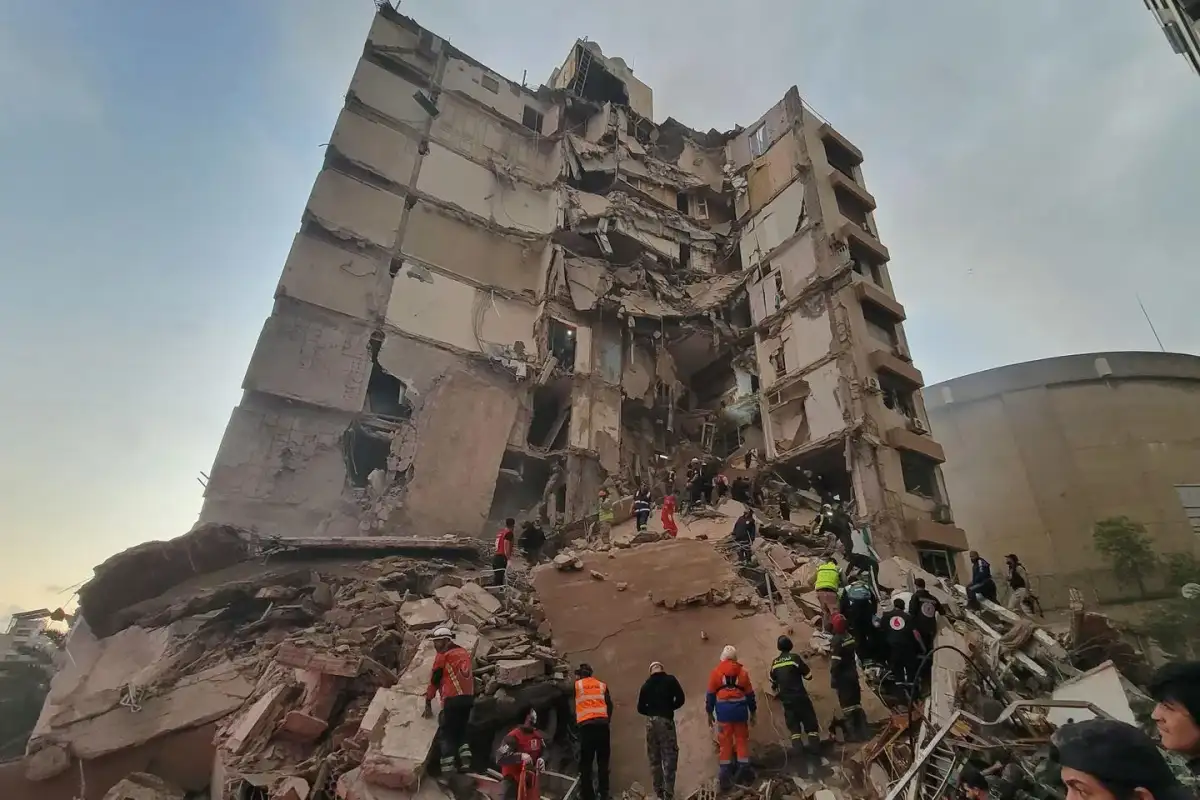
The strategic divergence hinges on a semantic and geopolitical divide: Washington asserts that the Iran agreement was never intended to encompass non-state proxies or the Lebanese front, while international observers warn this loophole creates a volatile, unchecked theater of war.
| Entity | Stance on Lebanon Integration |
|---|---|
| United States | Conflict is a "separate skirmish"; outside truce scope |
| Israel | Authorizing direct negotiations; insists on Hezbollah disarmament |
| United Nations | Warns of "grave risk" to regional stability |
| Lebanon | Seeking US-guaranteed temporary ceasefire for broader talks |
Diplomatic Fissures and Operational Reality
The disconnect became public yesterday when US Vice President JD Vance confirmed that while Iranian negotiators operated under the assumption that the ceasefire included the Lebanese front, no such consensus was reached by the White House. This realization has sparked a scramble for mediation.
Read More: Ivanka Trump Steps Away From Politics for Family and Jiu-Jitsu
Netanyahu’s Gambit: The Israeli cabinet has authorized direct negotiations with Lebanon. Analysts suggest this move aims to isolate the Lebanese dossier from the broader Iranian regional framework, effectively preventing Tehran from using Lebanon as a bargaining chip in their own bilateral discussions.
The Humanitarian Cost: The UN High Commissioner for Human Rights, Volker Turk, has described the ongoing destruction as "horrific," noting the timing—immediately following the Iran deal—defies diplomatic logic and intensifies regional uncertainty.
Lebanese Fragility: Economically, the state remains in a precarious position. According to recent reports from Libnanews, the country faces significant risks regarding emergency expenditure, a weakened growth scenario, and an uncertain summer season, further compounded by the failure to secure a unified regional cessation of fire.
Contextual Underpinnings
Lebanon—historically defined by its distinct geography including the Bekaa Valley and the Lebanon Mountains—has long functioned as a pivot point for regional interests. Under the Britannica classification, the nation has struggled with post-civil war recovery, complicated by its diverse religious and political stratification.
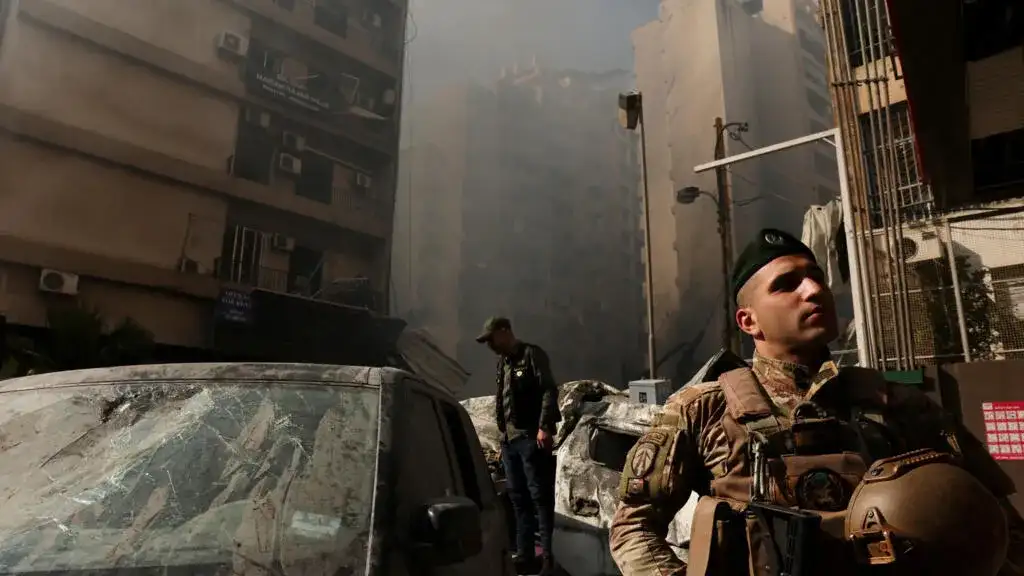
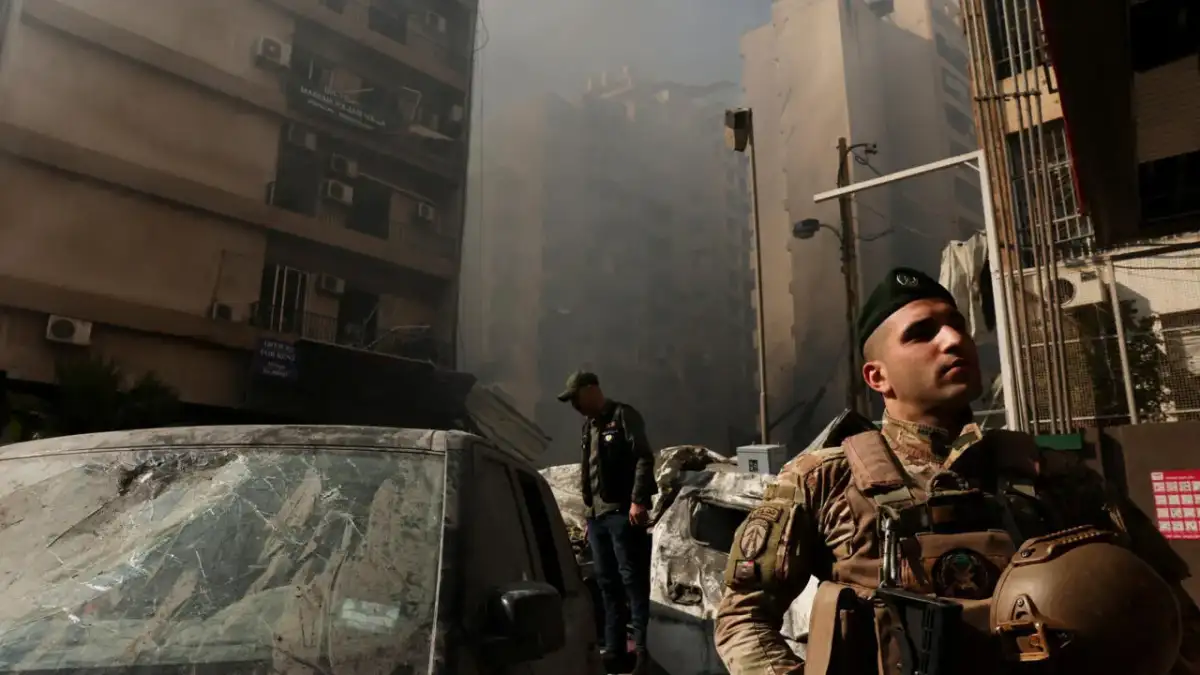
The current military escalation puts these structures under extreme duress. By treating the Lebanese theater as an "exception" to the US-Iran truce, the parties involved have introduced a variable that, according to UN Secretary-General Antonio Guterres, threatens the viability of the entire peace effort. The push for a ceasefire from the Lebanese side is now predicated on the requirement of a US guarantor, yet Washington remains focused on the "separate" nature of the engagement, keeping the door open for continued kinetic action under the pretext of isolating the Hezbollah presence.
Read More: Trump May Leave NATO After Allies Didn't Help in Iran War


