Polish F-16 fighter jets were scrambled this past Thursday to intercept a Russian Il-20 reconnaissance aircraft operating over the Baltic Sea. The Russian jet was detected flying without a filed flight plan and with its transponder deactivated, a move that necessitated immediate NATO air policing measures.
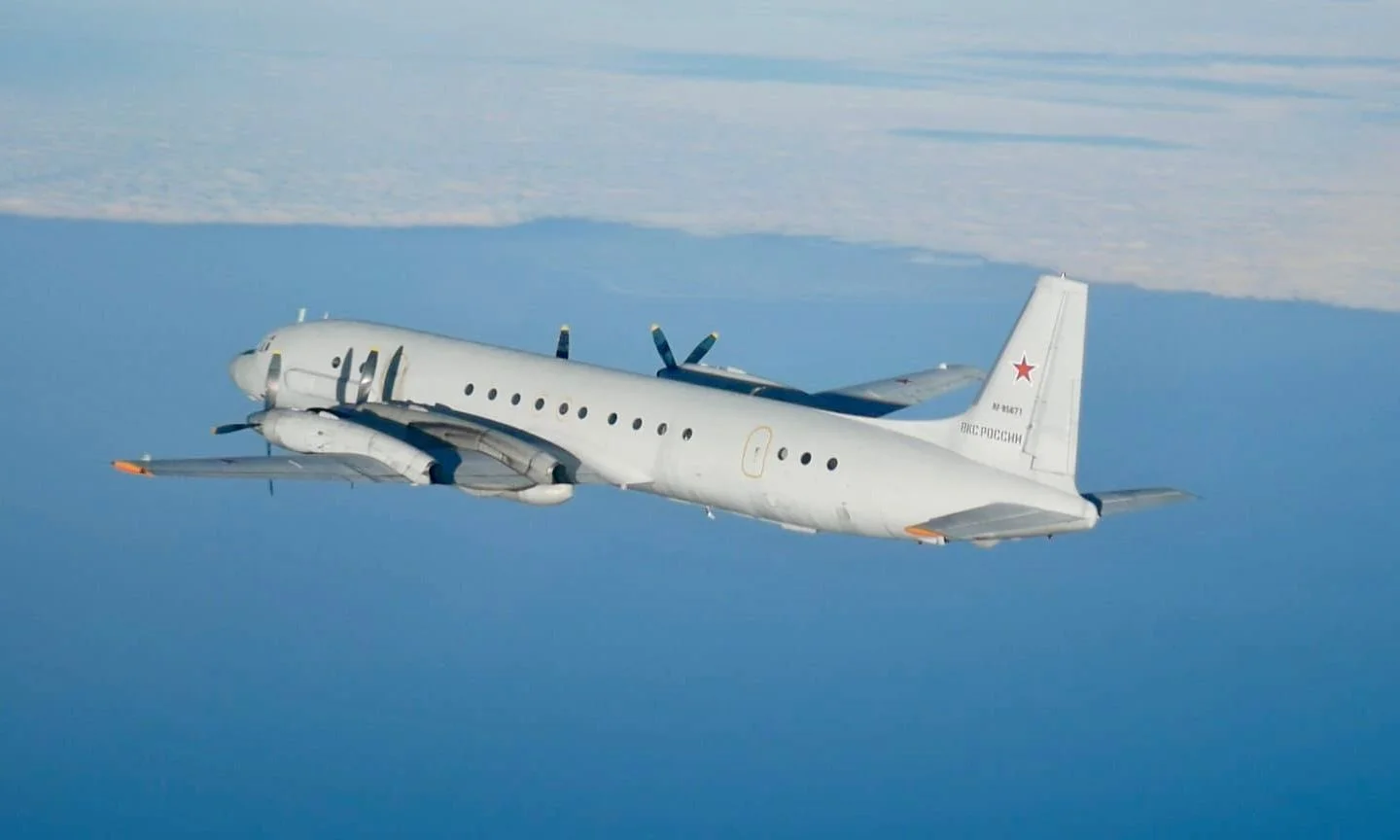
Military signals indicate that the interception was purely precautionary; the Russian aircraft did not breach sovereign Polish airspace during the mission.

Escalation and Pattern Analysis
The incident fits a established, high-frequency pattern of aerial activity between NATO and Russian forces. These encounters serve as a primary mechanism for managing regional security tension without direct conflict.

| Context | Frequency | Primary Region |
|---|---|---|
| Transponder Off | Frequent | Baltic/Black Sea |
| No Flight Plan | Routine | International Airspace |
| NATO Scramble | Automated Response | Air Policing Zones |
Operational Reality: NATO forces maintain a 'Quick Reaction Alert' (QRA) posture specifically to shadow aircraft that do not comply with international civilian air safety protocols.
The 'Flying Dark' Tactic: By operating without transponders), Russian reconnaissance flights create a persistent ambiguity that forces NATO to commit resources to identify the aircraft visually.
Broader Context: These flights are frequently concurrent with naval maneuvers. Defense officials have noted recent activity involving a Russian Akula-class attack submarine and specialized research vessels from the GUGI (Main Directorate for Deep Sea Research) in the North Atlantic, signaling a synchronized effort in surveillance across maritime and aerial domains.
Institutional Framework
The repetition of these scrambles—occurring hundreds of times annually—demonstrates an Air Policing strategy designed to prevent accidents while maintaining a permanent defensive posture.

While the Polish Operational Command has framed the recent activity as a routine defensive maneuver, the frequency of such intercepts has intensified since the broader conflict in Ukraine began. The lack of radio contact and flight documentation remains the central friction point, as these maneuvers occur in corridors used by commercial aviation, necessitating constant monitoring to ensure civil safety.
Read More: Air Force Major Detained for Calling for President's Impeachment
Reflective Note: The shift from irregular, reactive scrambles to a normalized cycle of identification highlights a transition in European security where the threshold for 'provocation' has been lowered, and the constant shadow-boxing between air forces has become the standard operational reality of the current geopolitical environment.