Washington D.C. – March 4, 2026 – Secretary of State Marco Rubio detailed the administration's justification for recent military actions against Iran, stating that the United States launched preemptive strikes due to an "imminent threat" of retaliation. This threat, Rubio explained, stemmed from the knowledge that Iran would respond aggressively to a planned Israeli attack, thereby endangering American forces in the region. The core rationale presented centers on averting a direct blow to U.S. personnel by acting before Iran could retaliate against an Israeli strike.
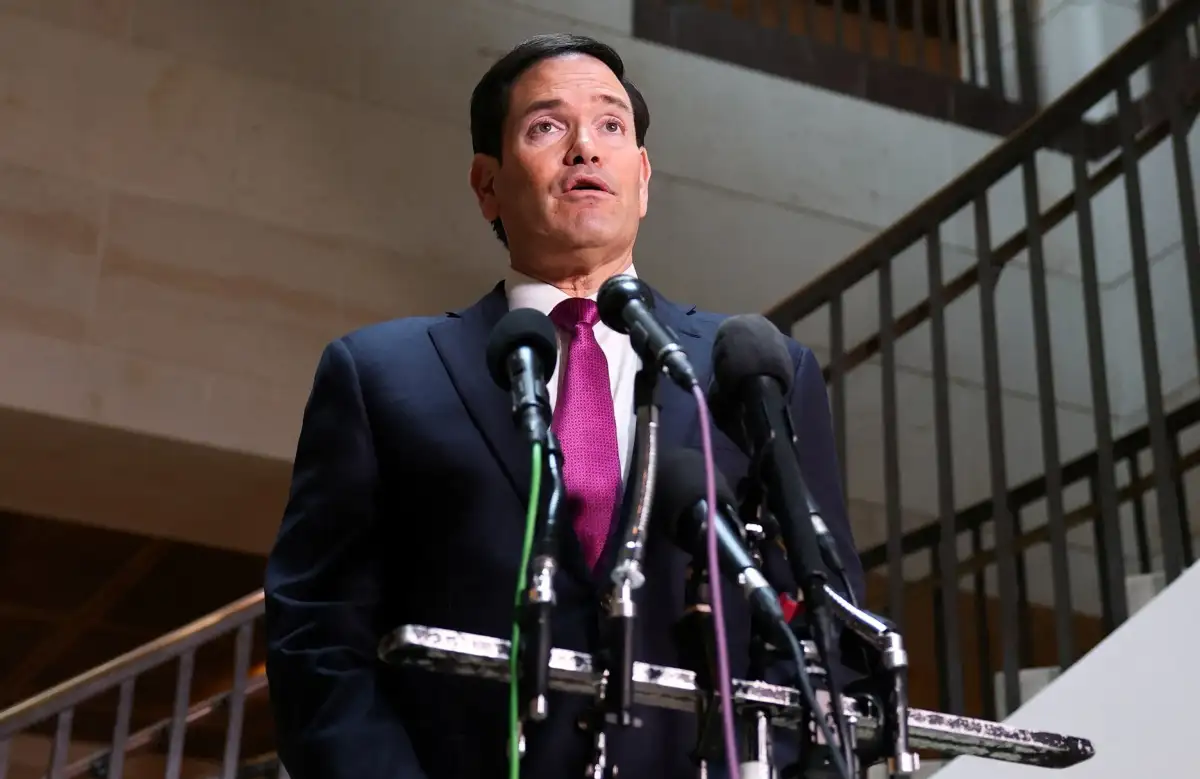
Rubio made these remarks on Capitol Hill following a briefing for congressional leaders. He asserted that Iran had already prepared its missile systems for a strike, indicating a readiness to retaliate. The Secretary also addressed the role of Congress, noting that while legislative bodies have the right to vote on war powers, previous attempts had proven unsuccessful. He maintained that regime change was not the objective of the operation.
Read More: Trump Administration Investigates Leaks About Iran Operations After Pilot Rescue Details Emerge
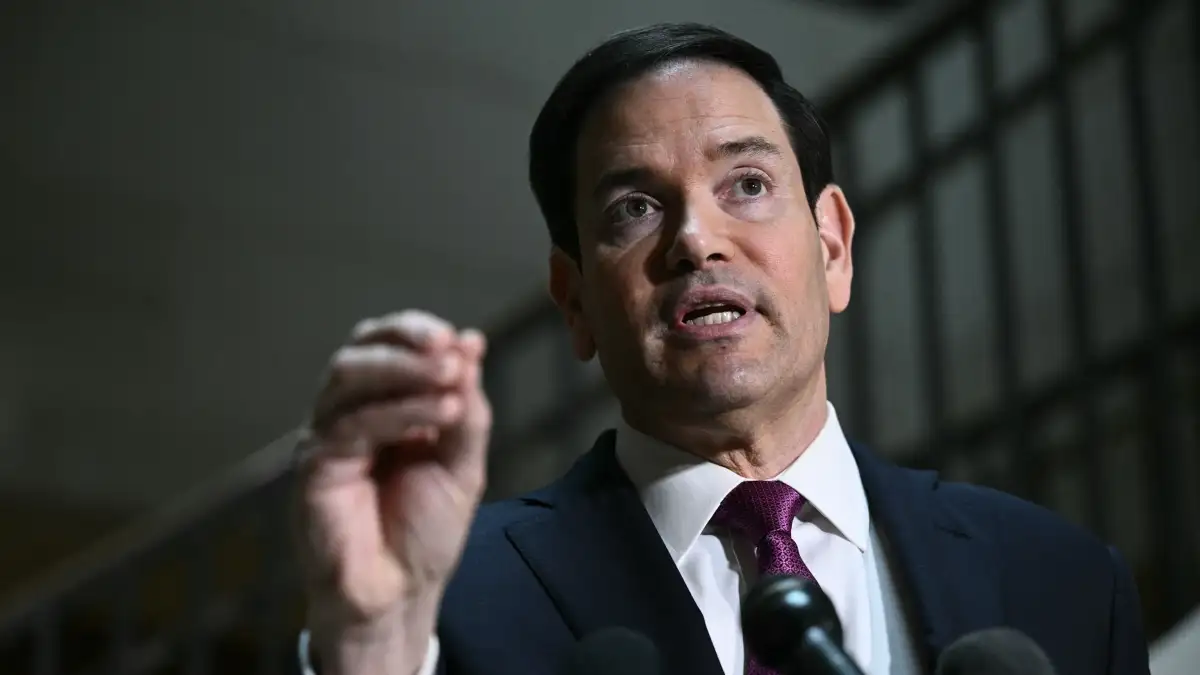
The administration's narrative has seen some adjustments in the public sphere, with initial explanations shifting. House Speaker Mike Johnson, commenting after the briefing, supported Rubio's stance, suggesting that inaction could have led to "devastating" consequences.
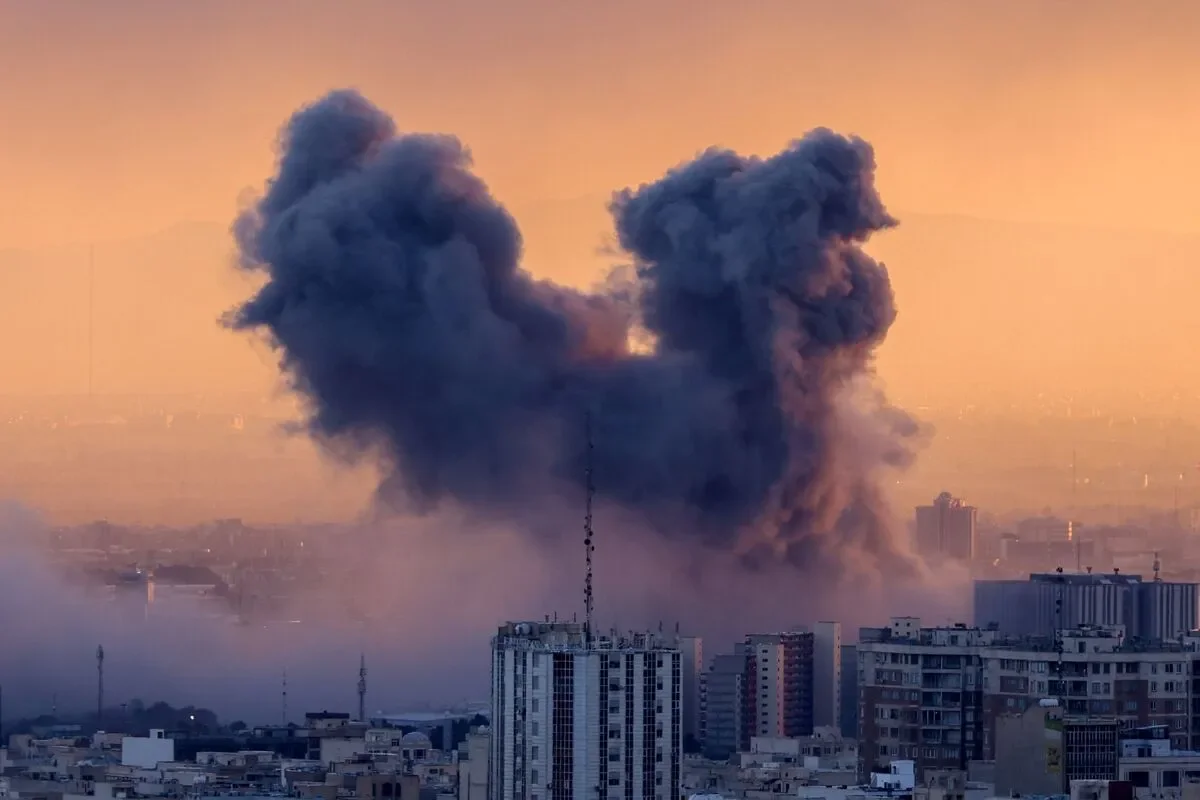
The events have drawn significant attention and commentary. Online reactions have been sharp, with some characterizing Rubio's statements as a "brutal threat" and highlighting what they perceive as the administration's focus on a regime that "doesn't believe in laws."

This developing situation comes as the United States urges its citizens to leave the region and closes embassies, signaling Iran's escalating counterattacks in the aftermath of the initial strikes. Senators like Chris Murphy and Richard Blumenthal have voiced concerns, with Blumenthal suggesting the potential deployment of American ground troops. The rapid sequence of events and evolving explanations have prompted calls for further answers from Congress.
Read More: Trump May Leave NATO After Allies Didn't Help in Iran War