US President expresses profound disappointment with allies' stance, considers troop withdrawals and alliance departure.
Donald Trump is actively considering significant punitive measures against NATO allies who he feels failed to support the United States' recent conflict with Iran. These potential actions range from the withdrawal of American troops stationed in unsupportive nations to the drastic step of pulling the U.S. out of the North Atlantic Treaty Organization entirely. This stance emerged following a meeting between Trump and NATO Secretary General Mark Rutte, where the President articulated his deep-seated frustration. White House Press Secretary Karoline Leavitt confirmed that discussions about leaving NATO were on the table during the talks.

The core of Trump's grievance lies in the perceived lack of solidarity from key NATO members during the Iran war, particularly regarding access to airspace and military facilities. France and Spain, for instance, reportedly forbade or restricted the use of their territories for U.S. military operations related to the conflict. Trump has characterized this lack of support as a "failure" of the alliance when tested, suggesting a fundamental rift in the transatlantic partnership. This dissatisfaction echoes his long-standing criticisms of NATO, including past suggestions of unilateral withdrawal.
Read More: Australia PM Albanese in Singapore to Secure Fuel Amid Rising Prices
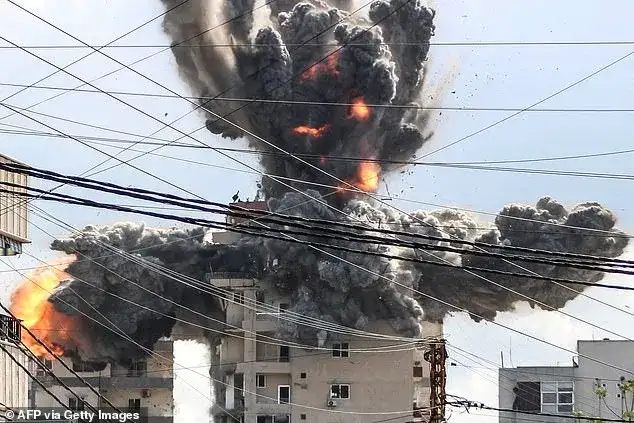
International Reactions and Diplomatic Strains
NATO Secretary General Mark Rutte acknowledged the palpable disappointment felt by President Trump, describing his own exchanges with the U.S. President as "candid but constructive." However, Rutte also conceded that divisions within the alliance over the Iran conflict had become "clearer." The sentiment within some European capitals, as reported by Politico, is that Trump's escalating criticisms have, paradoxically, begun to unite them against him, prompting discussions about bolstering independent defense arrangements.

Reports suggest that possible U.S. retaliatory measures could include relocating American troops from countries deemed unsupportive to those that demonstrated greater alignment with the U.S. and Israel during the Iran hostilities. The prospect of closing American military bases in certain allied nations, such as Spain or Germany, has also been floated.

The Iran Ceasefire Context
This heightened tension within NATO coincides with the brokering of a two-week ceasefire between the United States and Iran. Trump has hailed this development as a "total and complete victory" and a "big day for world peace," with the agreement leading to the reopening of the Strait of Hormuz. However, the scope of this ceasefire appears contentious, with Australian Prime Minister Anthony Albanese insisting it must include Lebanon, a point of contention following Israeli strikes in the region. Iran's Deputy Foreign Minister Saeed Khatibzadeh has asserted that control over the Strait of Hormuz falls solely within Iran and Oman's purview, not that of the international community.
Read More: US says Lebanon strikes are separate from Iran truce deal
Background: A History of NATO Critiques
President Trump has a well-documented history of questioning NATO's value and burden-sharing. During his first term, he frequently criticized allies for what he perceived as insufficient defense spending and an over-reliance on American security guarantees. His past threats to withdraw from the alliance, coupled with his administration's actions, have consistently cast a shadow over NATO's future and its collective defense posture. The current situation appears to represent an intensification of these long-held grievances, directly linked to the recent Iran conflict.