A worldwide push is underway to shore up the planet's undersea cables, the invisible arteries carrying the vast majority of international data. Governments, military outfits, the companies that own these vital lines, and even new tech firms are scrambling to boost defenses. This effort spans from the cold waters of the Baltic Sea to the vast expanse of the Pacific, a stark acknowledgment of the vulnerability of this critical infrastructure.

The risk to submarine cables has very likely escalated over the past eighteen months, with a growing threat of state-backed malicious acts targeting them due to heightened geopolitical tensions. Incidents have already caused significant and prolonged data outages. The lack of diverse cable routes, coupled with limited capacity to repair damaged lines, poses a long-term problem unless substantial investments are made.
Read More: Chrome mimeHandler API lets extensions handle file types

Intensified Surveillance and Deterrence Efforts
Authorities are responding with a mix of increased oversight and harsher penalties. In Asia, Taiwan is bolstering its coast guard patrols and toughening sanctions for cable damage. This move signals a desire to deter potential aggressors.
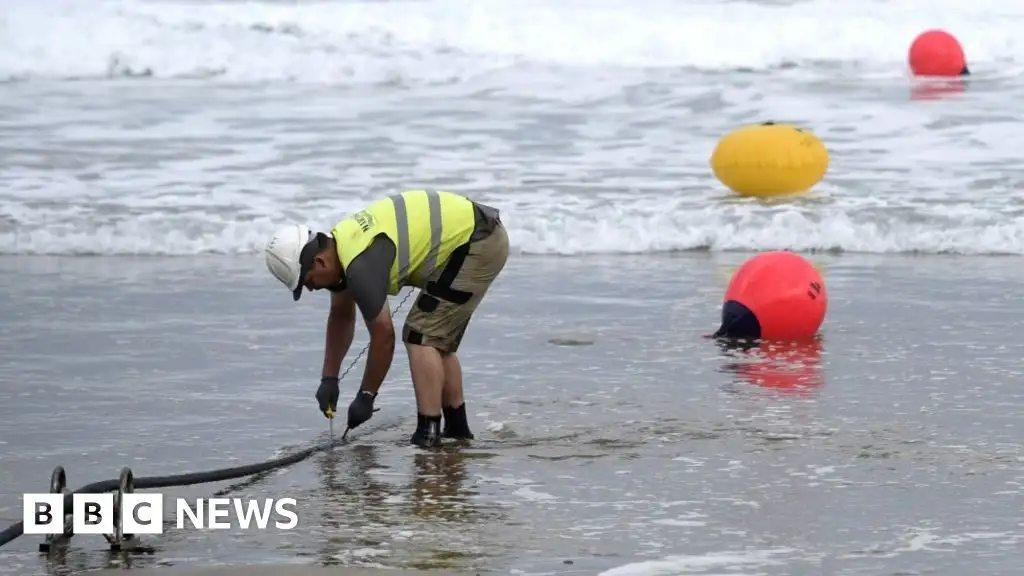
Emerging Technologies Offer New Layers of Defense
Beyond physical patrols, innovative technologies are entering the fray. Devices that use fiber optic sensing promise real-time detection of physical threats, allowing for quicker responses to incidents. Some systems are being tested in sensitive areas like the Baltic Sea floor.
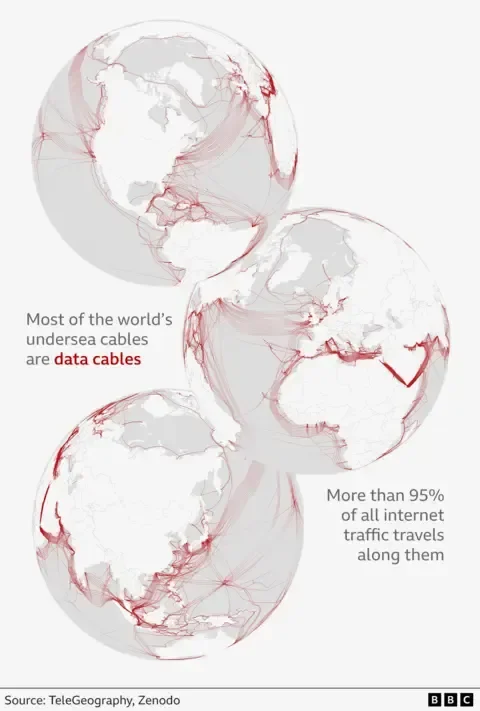
These fiber optic cables can effectively "listen out" for sabotage, picking up disturbances. While the sensing technology itself has limitations in range, requiring monitoring devices every 100 kilometers or so, it offers a new way to guard these underwater pathways. Some of these systems are being considered for deployment on military submarines.
Gaps in Legal and Repair Frameworks
Despite the heightened awareness, existing international maritime law appears ill-equipped to handle suspected sabotage. Frameworks like the UN Convention on the Law of the Sea (UNCLOS) and older conventions struggle to provide clear authority for prevention, deterrence, or proportionate responses. Investigations and prosecutions for cable incidents are largely confined to the flag state of the offending vessel or the perpetrator's state of nationality.
Read More: UN Panel Warns AI Risks Grow Faster Than Science and Rules
The capacity to mend damaged cables also remains a significant concern. Without dedicated investments to streamline repair processes and expand the fleet of specialized cable-laying ships, repair times are expected to continue lengthening. This lack of resilience exacerbates the potential impact of any disruption.
A Global Response Taking Shape
Organizations worldwide are developing new strategies for enhanced cable protection. At a global level, initiatives involving bodies like the International Cable Protection Committee (ICPC) and the International Telecommunication Union (ITU) are providing new avenues for cooperation. Public-private partnerships are seen as crucial for encouraging investment in repair capabilities, improving surveillance of critical undersea infrastructure, and building more resilient cable networks.
Read More: BEREC Asks for Mobile Network API Ideas from Developers
The issue of submarine cable security has become a major focus within maritime security discussions, drawing parallels to the protection of other vital industrial infrastructures.