Mediators Push for Second Round of Negotiations as Ceasefire Deadline Looms
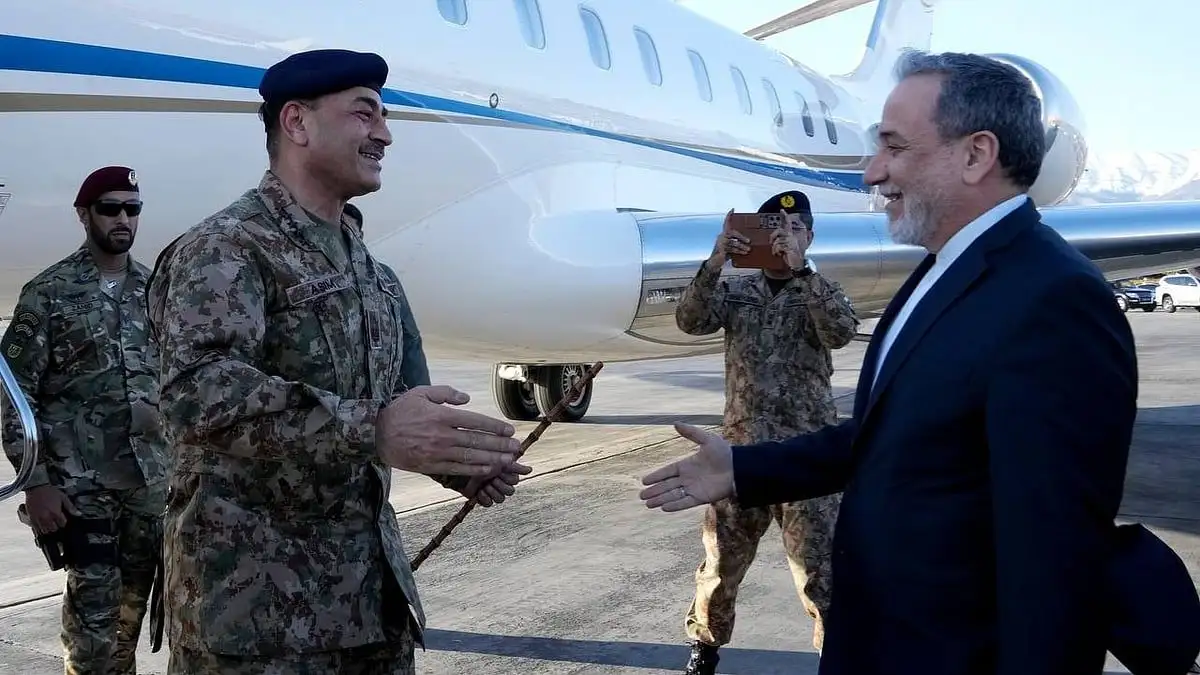
Pakistani delegates, including Interior Minister Mohsin Naqvi, have arrived in Tehran today, April 15, 2026, as part of intensified mediation efforts to arrange a second round of direct talks between the United States and Iran. This diplomatic push occurs on the first full day of the US-imposed naval blockade on the Strait of Hormuz, a move by the Trump administration aimed at halting what it terms "Iranian extortion." The urgency stems from an expiring two-week ceasefire, brokered earlier in April, with its deadline set for April 21st.
The core of the diplomatic maneuvering appears to revolve around Iran's nuclear program, a central sticking point identified by US officials, and the broader regional security landscape, particularly concerning maritime routes and global energy markets. While the initial round of talks in Islamabad failed to yield a comprehensive agreement, both Washington and Tehran have signaled a desire to maintain open communication channels. Pakistan has put forward hosting another round of discussions, with Islamabad itself being a suggested venue for these potential follow-up negotiations.
Read More: Pakistan Envoy Starts Iran Conflict Talks in Washington Today
Nuclear Ambitions and Economic Disruptions Dominate Discussions
Sources indicate that the United States negotiators proposed a 20-year pause on Iran enriching uranium during the recent talks in Islamabad. Iran, however, responded with a counter-proposal for a five-year suspension, a figure the US has reportedly rejected. The US administration, led by Vice President J.D. Vance, who spearheaded the negotiations in Islamabad, has underscored that a fully reopened Strait of Hormuz remains a "red line."
The economic fallout from the escalating tensions is already significant, with oil prices skyrocketing due to disruptions in vital shipping through the Strait of Hormuz. The US naval blockade, enacted to regain control of the strait, is impacting global energy supplies. Notably, US Treasury Secretary Scott Bessent has stated that Chinese tankers will not be permitted passage through the strait. Meanwhile, the United Kingdom has declared it will not participate in the US naval blockade. Qatar's foreign minister has also urged both nations to engage positively with mediation efforts, emphasizing that maritime routes should not be used as "bargaining tools."
Read More: Gulf Oil Exports Rise in June but Still Below Pre-War Levels
Background: A Fragile Peace and Regional Ramifications
The current diplomatic overtures follow a period of heightened regional conflict. The hostilities, which began after attacks by the US and Israel on Iran on February 28th, have already paralyzed global energy markets and disrupted trade. The direct face-to-face talks between the US and Iran, described as "rare" and part of the "Islamabad Process," marked a significant development. Despite the lack of a breakthrough, Pakistani authorities remain cautiously optimistic about continued engagement. The White House has indicated that Iran initiated contact with the US, suggesting potential for further dialogue or an extension of the existing ceasefire. The Trump administration has not ruled out additional military actions beyond the current blockade, though the focus remains on diplomatic resolutions to prevent wider hostilities and protect energy markets from further unrest.