
A tentative deal for a 60-day ceasefire extension between the United States and Iran hinges on the final approval of President Donald Trump, according to reports emerging from the White House. This potential agreement comes at a moment of heightened tension surrounding the Strait of Hormuz, a critical global oil transit route where Iran has increasingly asserted control.
Vice President JD Vance confirmed a tentative agreement on Thursday, but stated its ultimate fate rests with Trump's decision. Neither Iran nor the US has definitively confirmed the specifics of the deal, leaving its passage uncertain. The framework, reportedly agreed upon by negotiators from both nations, aims to de-escalate the simmering conflict in the strategically vital waterway.
IRAN TIGHTENS GRIP ON SHIPPING LANE
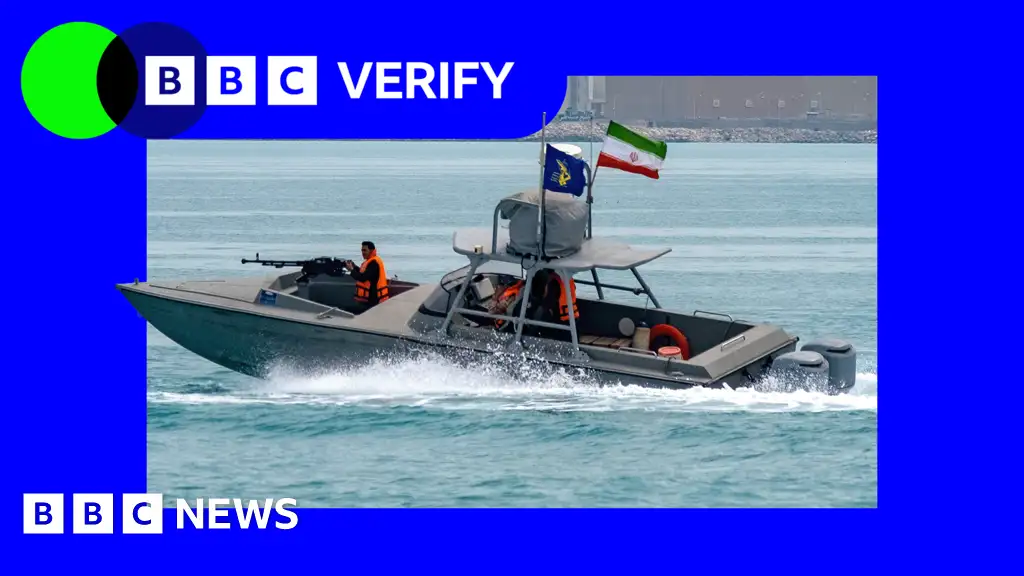
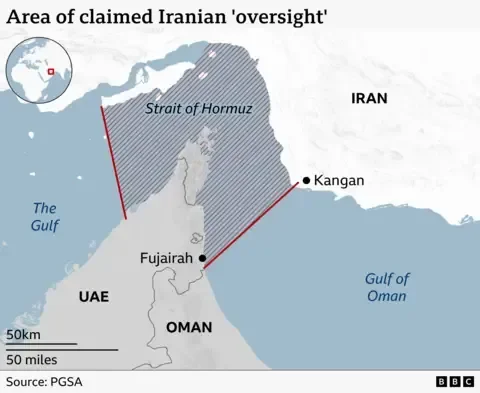
Iran has been progressively expanding its claims of military control over the area surrounding the Strait of Hormuz. This assertion of sovereignty over the key trade route has been met with rejection from the US and its Gulf allies. Reports indicate Iran has effectively begun to restrict normal commercial transit, demanding vessels navigate through Iranian-controlled waters and adhere to a new routing and toll system. This move appears to leverage Iran's geographic advantage, a factor that allows it to exert significant influence over maritime traffic.
Read More: AFP Reviews War Crime Claims Against Australian in Gaza
The US, through CENTCOM, has stated its opposition to Iran's regulations, directing ships to disregard them. Since implementing a blockade on Iranian ports on April 13, US forces have reportedly redirected numerous commercial ships and disabled others to enforce their stance. Recent incidents include the US boarding of an Iran-bound oil tanker on Wednesday, an action that Iran later claimed the vessel had received permission to transit, suggesting compliance with Tehran's new demands.

GEOGRAPHY AND MILITARY POSTURING
The geographical configuration of the Strait of Hormuz inherently favors Iran's ability to disrupt shipping. While US forces have managed to degrade some of Iran's conventional naval capabilities, the terrain itself presents significant challenges. Vessels navigating the strait face threats, with reports indicating that ships linked to Iran, China, India, and Pakistan have successfully transited despite the ongoing disputes.
Read More: Gulf Oil Exports Rise in June but Still Below Pre-War Levels
The standoff has seen what is described as a "dangerous Hormuz deadlock," with Iran reportedly launching over three dozen retaliatory attacks on commercial vessels since late February, coinciding with the "US-Israeli conflict with Tehran." This situation has escalated tensions, with Trump previously threatening further action against Iran's oil trade if it continued to block the Strait of Hormuz.
STRATEGIC IMPORTANCE AND LOCAL SENTIMENT
The Strait of Hormuz, a narrow waterway connecting the Persian Gulf to the Gulf of Oman, is of immense global significance for oil exports. Approximately 30% of the world's seaborne oil trade passes through this chokepoint daily. The control and free passage through this strait are therefore critical to global energy markets. Residents on Hormuz Island, while expressing a sense of duty to defend their country, have indicated restrictions on speaking openly about the situation, adding a layer of complexity to understanding local sentiment amidst the escalating geopolitical tensions.
Read More: Indus Waters Treaty remains suspended in India and Pakistan April 2026