

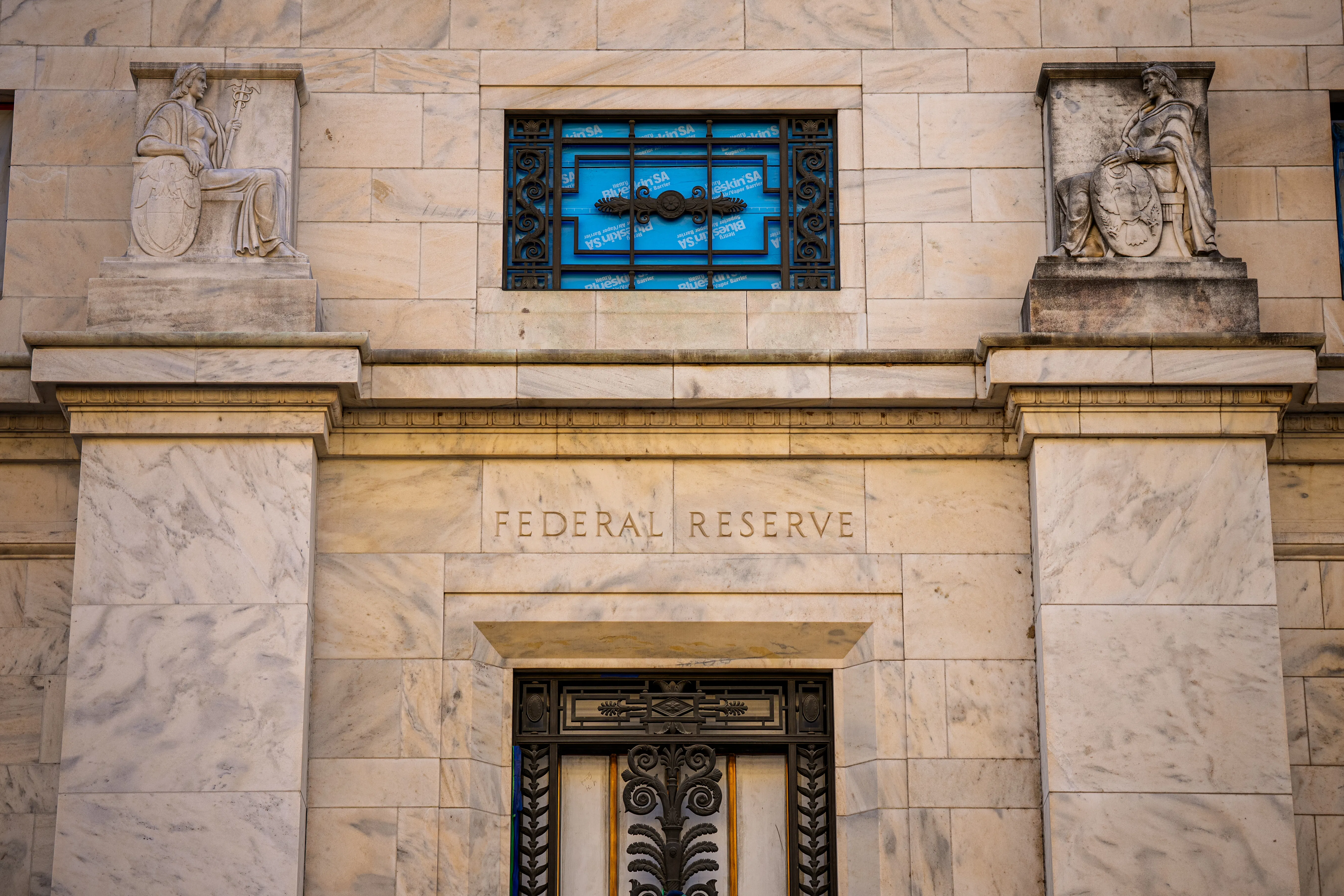
The Federal Reserve’s battle against rising prices was already encountering turbulence before the recent escalation in the Middle East, with key economic indicators pointing to an uptick in inflation preceding the conflict in Iran.== This development complicates the central bank's efforts to manage monetary policy, as it grapples with persistent price increases alongside external shocks.
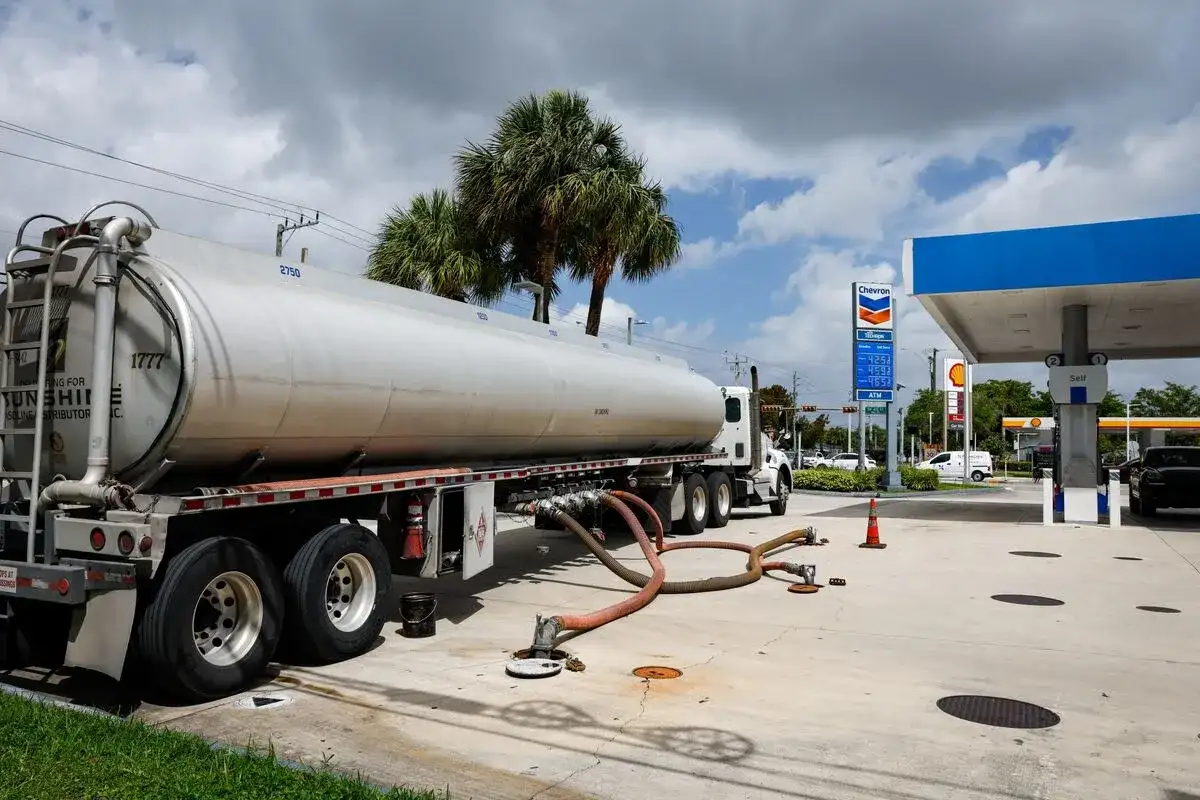
Reports indicate that the Federal Reserve's preferred inflation gauge, the personal consumption expenditures (PCE) price index, showed prices climbing even before the U.S. and Israel attacked Iran. Data from January revealed wholesale prices rose by a "surprisingly hot" 3.4%, marking the most significant increase in a year. This surge occurred prior to the conflict pushing energy prices sharply higher. Economists have flagged this as a sign of problematic trends, noting higher prices producers are now facing, with diesel prices, a key transportation cost, rising even faster.
Read More: Americans Pay Over $22 for Smoothies Despite Economic Worries
Recent minutes from the Federal Reserve's March 17–18 meeting, released Wednesday, illustrate a growing divide among policymakers. The majority acknowledged that the Middle East conflict had increased upside risks to inflation and downside risks to employment. However, opinions diverged on the appropriate response, with some officials considering rate increases while others maintained their preference for rate cuts.

Consumers' expectations, as captured by a New York Fed survey conducted between February 2 and February 28, indicated little anticipation of significant inflation changes before the Iran war began. This survey was seen as the "calm before the storm," with respondents projecting a lower future unemployment rate and reduced job loss prospects.

Despite the Fed’s efforts to curb borrowing and spending by keeping key interest rates elevated, consumer spending, which underpins about two-thirds of the economy, faces potential headwinds. Inflation events, even those not directly linked to armed conflicts, have historically contributed to price increases, and global skirmishes are no exception. The market’s inflation expectations during the COVID environment were notably higher than current readings, though the impact of war on escalating inflation is multifaceted.
Read More: Pentagon Officials' Medieval History Comments Cancel Pope's US Visit
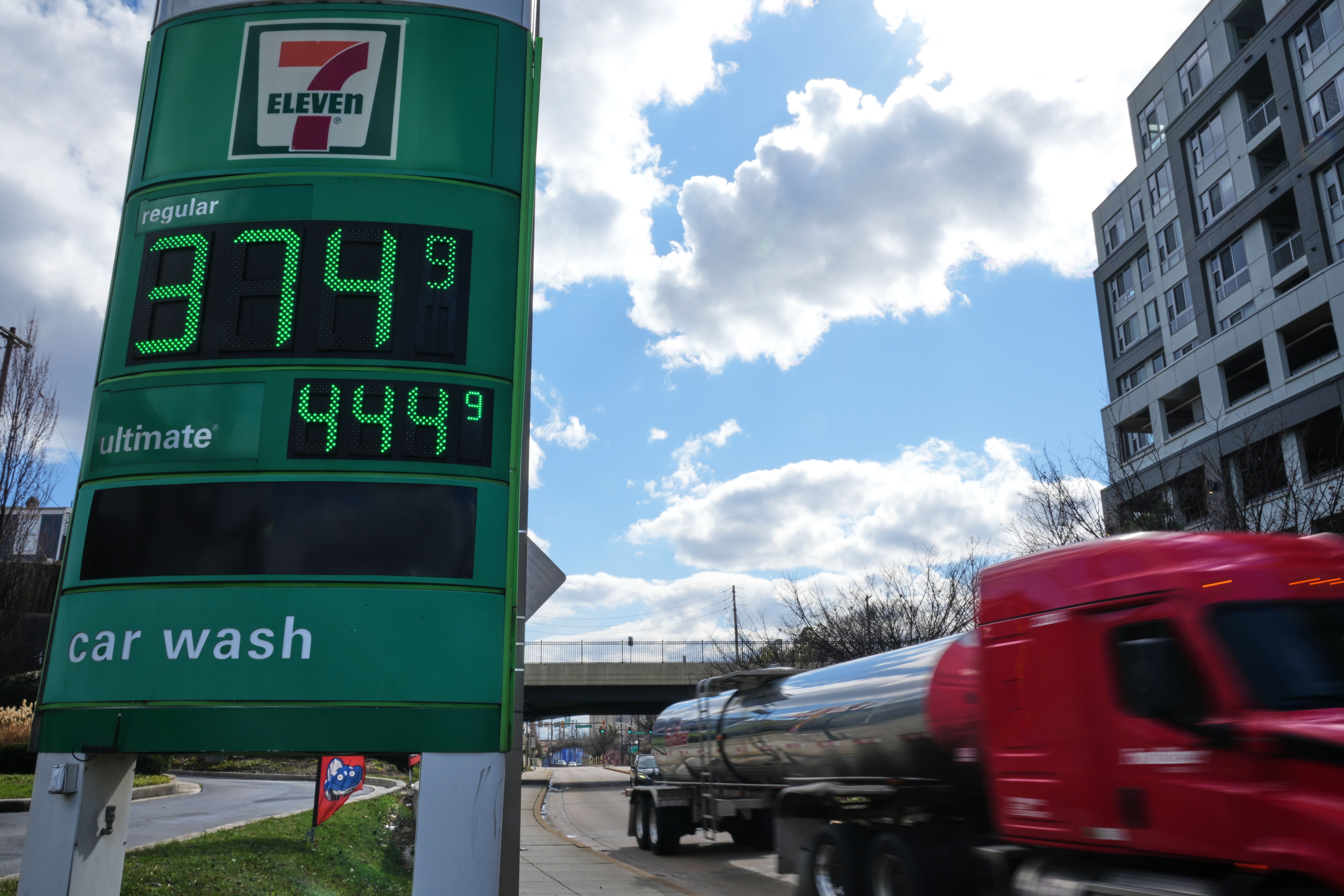
While financial markets reacted to the conflict with initial upticks in energy prices, some forward inflation measures beyond one year showed little change, suggesting a view that the energy shock might be temporary. Nevertheless, the resumption of the upward climb in oil prices and producer price reports have led to market reversals, with major stock indices turning negative following the data releases. The Fed policymakers, set to meet next week, are widely expected to hold interest rates steady, acknowledging the short-term inflationary impact of the ongoing conflict.


