UPDATE: Reinforcements Surge in Preparation for Broader Action
The United States is significantly increasing its military hardware and personnel in the Middle East, signaling a potential for expanded operations against Iran. This buildup includes the deployment of warships, fighter jets, and Marines, underscoring a heightened state of readiness and strategic posture shift. The moves come as tensions escalate, with Iran threatening retaliation and engaging in attacks on commercial shipping.
FLASH: Naval and Marine Deployments Bolster Regional Options
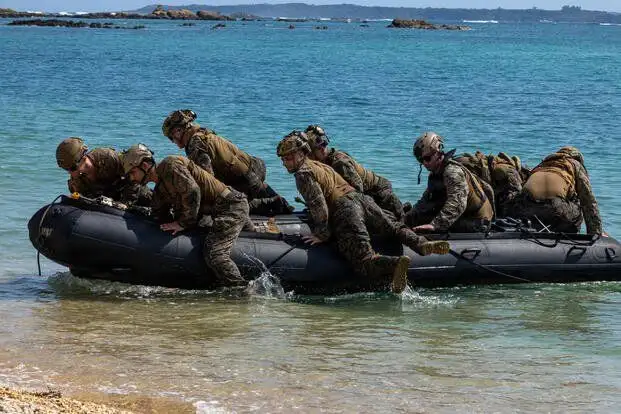
The Pentagon has approved the movement of an Amphibious Ready Group, comprising ships like the USS Tripoli and USS San Diego, alongside the 31st Marine Expeditionary Unit. This unit, with approximately 1,100 Marines and sailors, is designed as a rapid response force. Their presence near the Strait of Hormuz offers commanders flexibility for maritime security, evacuations, or limited engagements without necessitating large-scale ground troop commitments. This represents a notable change in the Marine Corps' operational positioning.
FLASH: Focus on Iran's Nuclear Program and Missile Capabilities

Sources indicate that potential US strikes could target Iran's ballistic missile infrastructure, which poses a threat to US allies in the region, as well as its nuclear enrichment programs. The mobilization appears to be a crystallization of previous threats to take military action against Iran, particularly concerning its nuclear ambitions and its crackdown on domestic protests.
UPDATE: Broader Regional Context and US-Iran War

These deployments occur against the backdrop of an ongoing conflict involving the United States and Israel against Iran, which is now in its third week. US Central Command reported striking approximately 6,000 targets within Iran since the war began. Iran, in turn, has threatened to widen its campaign and has launched missile and drone attacks, prompting evacuations in some Gulf states.
FLASH: The current military build-up is reminiscent of the...

The current military build-up is reminiscent of the movement of US air defense hardware last year, in anticipation of Iranian retaliation for US bombings of Iranian nuclear sites during the Iran-Israel war in June. US President Donald Trump has urged allies to contribute warships to secure the Strait of Hormuz. The conflict has also resulted in casualties, with six US service members recently confirmed deceased following the crash of a military refueling aircraft supporting operations against Iran.