THE NUMBERS DON'T LIE. MORE AMERICANS ARE TRADING GOLF CLUBS FOR KEYCARDS.
Millions of Americans, pushing well past the once-standard age of 65, are finding the concept of retirement an increasingly distant fantasy. This isn't a choice for many; it's an economic imperative. Figures reveal a significant uptick in individuals in their late 70s and 80s still tethered to the workforce, a stark departure from the mid-20th century ideal of a leisurely retirement.

This trend is underpinned by a complex interplay of factors:
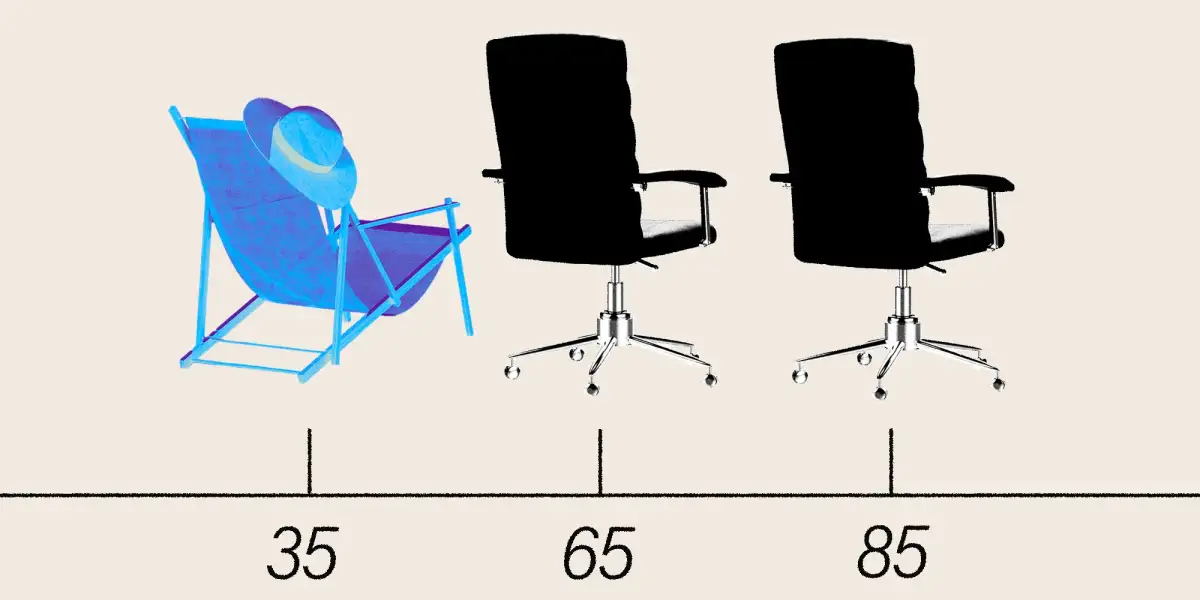
Financial Strain: A substantial portion of the populace simply cannot afford to stop. Many report insufficient savings, with retirement funds, IRAs, and 401(k)s proving inadequate to cover living expenses. Medication costs, rising prices, and the general burden of poverty are pushing older adults back into or keeping them in jobs.
Evolving Lifestyles: The traditional notion of retirement at 65 is being actively questioned. For some, work provides not just financial security but also crucial mental stimulation and social interaction, preventing the perceived decline some observe in friends who retire completely.
Flexibility and Adaptation: The availability of flexible work arrangements, including remote options, is a critical enabler for older workers. These accommodations make it more feasible for individuals to remain employed.
THE FIRE THAT'S RUNNING OUT OF FUEL
The aspirational "Financial Independence, Retire Early" (FIRE) movement, once a subculture championing aggressive saving and early retirement, now appears to grapple with its own contradictions. While some who achieved FIRE have transitioned to less demanding, community-focused roles, the broader economic reality suggests that for many, early retirement is out of reach. The underlying sentiment often points to regret and a feeling that life's circumstances weren't fair, leading some to pursue jobs they truly want, even if it's not for early retirement.
Read More: Gas Prices Won't Drop Immediately After Trump Ceasefire Talk, Experts Say
THE HUMAN COST: MORE THAN JUST A PAYCHECK
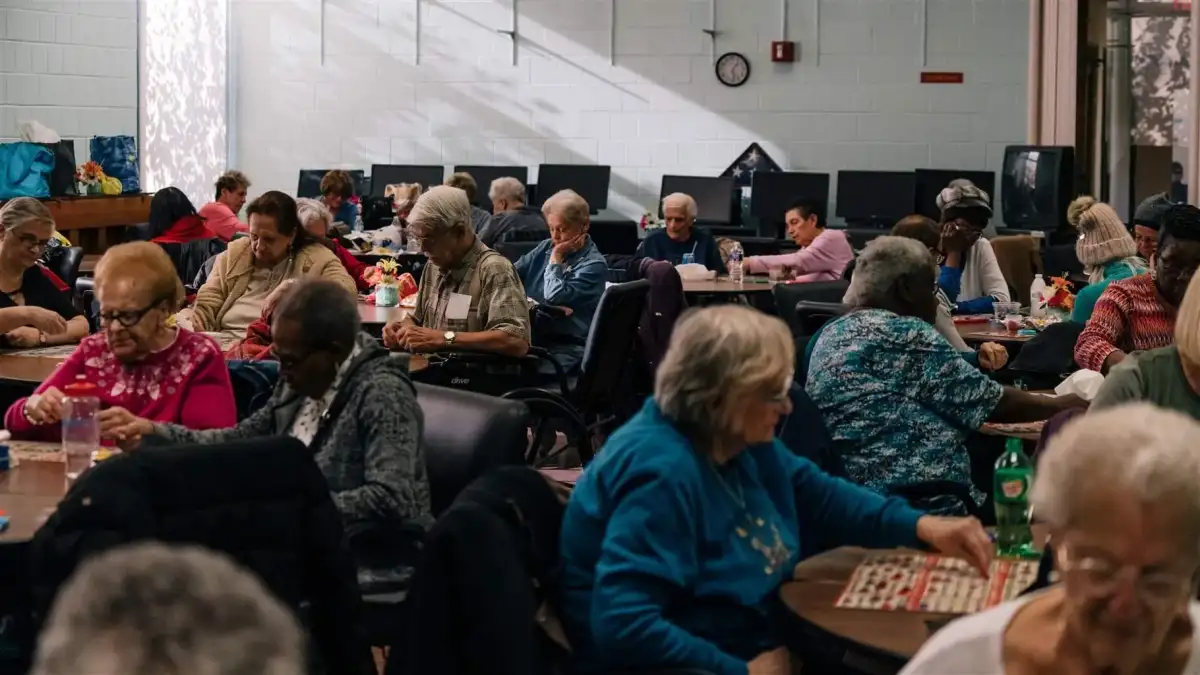
Stories from the front lines paint a picture of resilience and necessity. Take Anne Sallee, a former public official who found full retirement unappealing and financially untenable. Or Walter Carpenter, who, despite his age, continues working in service industry jobs due to limited retirement savings. These individuals highlight that for many, continuing to work isn't just about income; it's about maintaining a sense of purpose and activity. The increasing lifespan of Americans also plays a role; with people living longer, the duration for which retirement funds must last extends, putting further pressure on savings.

INCOME STREAMS UNDER SCRUTINY
| Income Source | Significance for Older Households |
|---|---|
| Earnings | A primary and often essential component. |
| Social Security | A critical, though often insufficient, supplement. |
| Retirement Funds | Including IRAs, 401(k)s, and pensions; frequently found to be inadequate. |
A NATION AGING ON THE JOB
The demographics are undeniable: populations of residents aged 65 and older are growing. This expansion coincides with an increasing share of these individuals remaining in the workforce. The current economic climate, marked by periods of high inflation, has likely spurred some individuals back into employment to offset rising costs. For small businesses, this aging workforce represents a continuing presence on payrolls, suggesting a structural shift rather than a temporary anomaly. The expectation for many retirement-age adults is no longer a defined end date, but rather to work indefinitely.
Read More: Boys in UK Face Role Model Gap, Lower Happiness Levels Since 2009
This reality represents a profound shift from the post-World War II era, where a clearer demarcation existed between working life and retirement. The pillars of that compact—pensions, stable wages, and predictable living costs—appear to have eroded, leaving millions to navigate an extended and often challenging working future.