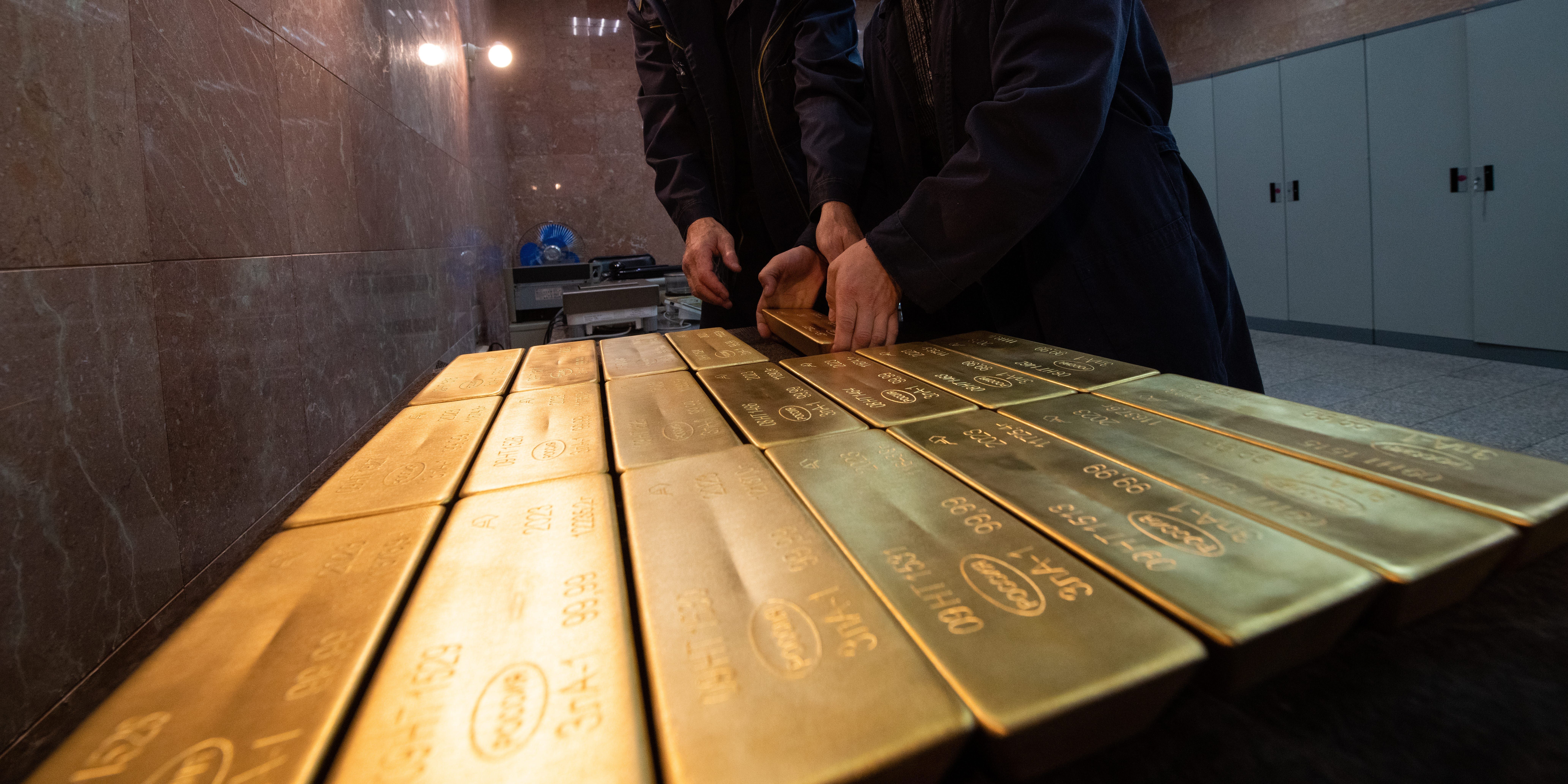
Gold prices have recently scaled dizzying new peaks, pushing past the $5,000 per ounce mark. This surge, occurring on January 26, 2026, is not merely a reaction to immediate global anxieties. Instead, it signals a deeper, more persistent undercurrent of concern about future economic stability and the erosion of traditional currency values. The market's embrace of gold as a store of value, rather than just a commodity, underscores a growing distrust in fiat currencies amid escalating geopolitical and trade uncertainties.
Inflationary Shadows and Central Bank Shifts
Recent market movements point to a confluence of factors fanning the flames of gold's appeal. Lingering fears of rising inflation, stoked by persistent cost pressures and the speculation of potential rate cuts by central banks, are pushing investors toward tangible assets. This is a sentiment echoed by both consumers and businesses, who are increasingly seeking refuge in gold as a hedge against anticipated price increases.
Read More: Solaris Energy SEI Stock Price Forecast Reaches $91.98 by July 2027
Central banks themselves appear to be playing a significant role. Their sustained appetite for gold, acquiring it in substantial quantities, suggests a strategic preference for the precious metal over traditional currencies like the dollar or euro.
This behavior, as observed by market participants, frames gold not just as a traditional hedge but as a preferred currency in an era marked by escalating global unpredictability.
Currency Debasement and Policy Pressures
A more granular look at the rally reveals concerns about the integrity of major currencies, particularly the US dollar. Pressure exerted on the Federal Reserve, specifically against its leadership, has fueled anxieties surrounding "currency debasement." This unease prompts a migration of capital towards gold.
"The latest update that has investors fretting over currency debasement and flocking to gold."
This narrative suggests that governments pursuing aggressive fiscal policies might inadvertently weaken their own currencies, thereby bolstering the appeal of more stable stores of value.
Looking Ahead: More Than a Fleeting Trend?
The persistent strength of gold suggests that the current rally may extend beyond a simple reaction to immediate events. Investors are being advised to consider the long-term implications.
"Start protecting your investment portfolio with gold today."
Questions linger about whether the current momentum signals the peak of the rally or the dawn of a sustained upward trend. The answer, for now, lies in observing how these underlying economic and geopolitical forces continue to unfold.
Read More: Gold Prices Rise Faster Than US Bonds in April 2026