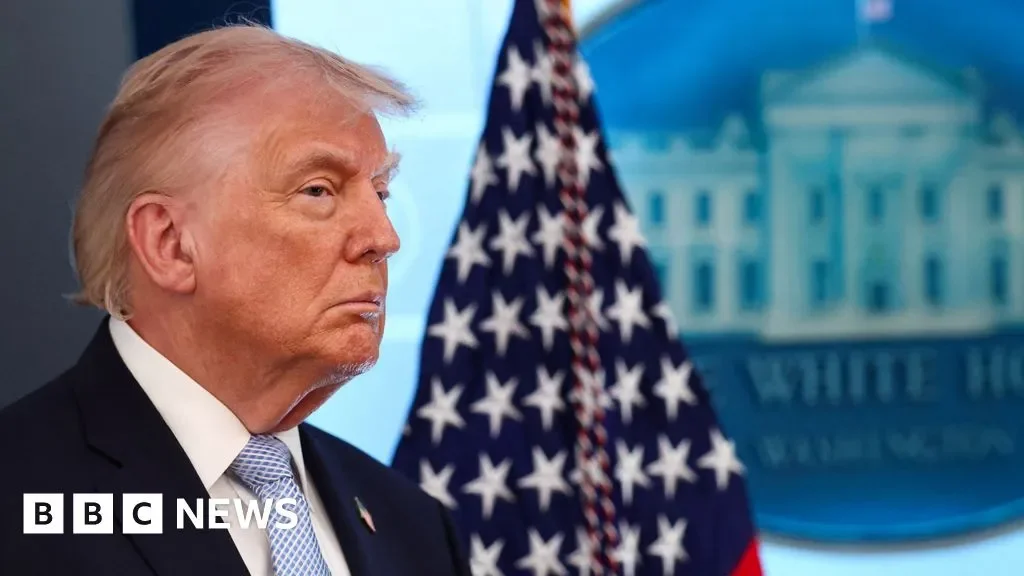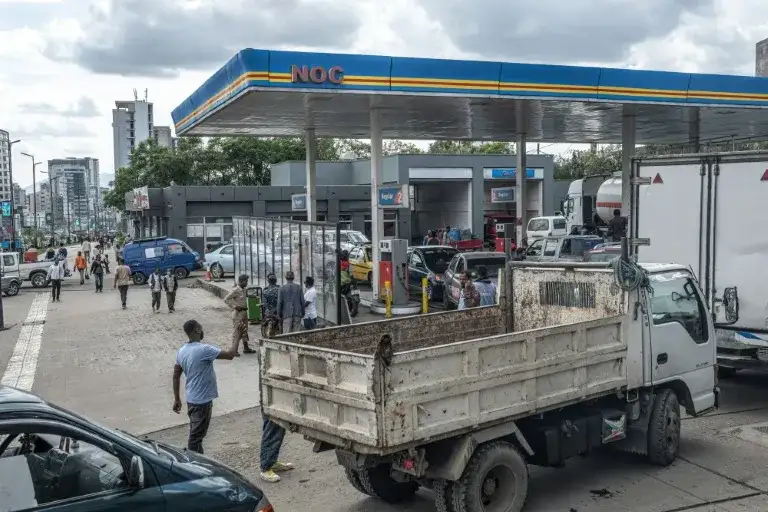
The notion that a recent ceasefire announcement by Donald Trump will immediately slash fuel prices is being met with considerable skepticism, even as the rhetoric around it reaches a fever pitch.
Experts and market watchers are quick to point out that the connection between such geopolitical maneuvering and the pump price of gasoline is, at best, indirect and subject to a multitude of other volatile factors. The assumption that a mere declaration of de-escalation automatically translates to cheaper fuel overlooks the complex global oil market.
The cost of a barrel of crude oil, the primary driver of gasoline prices, is influenced by a vast array of elements. These include production levels by major oil-producing nations, global demand, refinery capacity, geopolitical stability in key oil-producing regions, and even the weather. Trump's ceasefire announcement, while potentially significant in its own sphere, does not possess the immediate, demonstrable power to alter these fundamental market forces.
Read More: Older Americans Work Longer Due to Money Problems and Better Health
Market dynamics at play:
Production Quotas: Decisions made by organizations like OPEC+ regarding output levels carry substantial weight.
Demand Fluctuations: Economic growth or slowdowns worldwide directly impact how much fuel consumers and industries require.
Inventory Levels: The amount of oil and refined products held in storage acts as a buffer against supply disruptions.
Refinery Operations: The ability of refineries to process crude oil into gasoline can create bottlenecks.
Speculative Trading: Financial markets often price in future expectations, which can create short-term price swings independent of physical supply and demand.
The timeline for any potential impact on gasoline prices is also a crucial, and often ignored, component. Even if a ceasefire were to lead to sustained reductions in oil production or a significant easing of tensions that currently spook traders, the effects would not be instantaneous. It typically takes time for these shifts to ripple through the supply chain and manifest at the local gas station.
The discussion around Trump's announcement and its supposed effect on fuel costs appears to be more about political messaging than a clear-eyed assessment of economic realities. This phenomenon is not entirely new; periods of political flux often see simplistic narratives emerge that link political statements to immediate economic outcomes, a practice that often disappoints those hoping for swift relief.
The Long Shadow of Geopolitics on Oil
The intricate relationship between international relations and the oil market has been a defining feature of the global economy for decades. Conflicts, alliances, and diplomatic efforts in oil-rich regions have historically sent tremors through commodity prices. However, these effects are rarely a direct cause-and-effect. Rather, they contribute to a broader landscape of risk and uncertainty that traders and producers constantly evaluate.
Read More: Trump Agrees to 2-Week Iran Ceasefire, But War Goals Not Met
The effectiveness of any ceasefire, including the one Trump may have influenced, hinges on its durability and the subsequent actions of all involved parties. A fragile peace, or one undermined by continued underlying tensions, would do little to assuage market concerns about long-term supply stability. Furthermore, the global nature of oil trading means that events in one part of the world can be offset or amplified by developments elsewhere. Therefore, focusing solely on one specific announcement, without considering the wider global context, offers an incomplete picture.