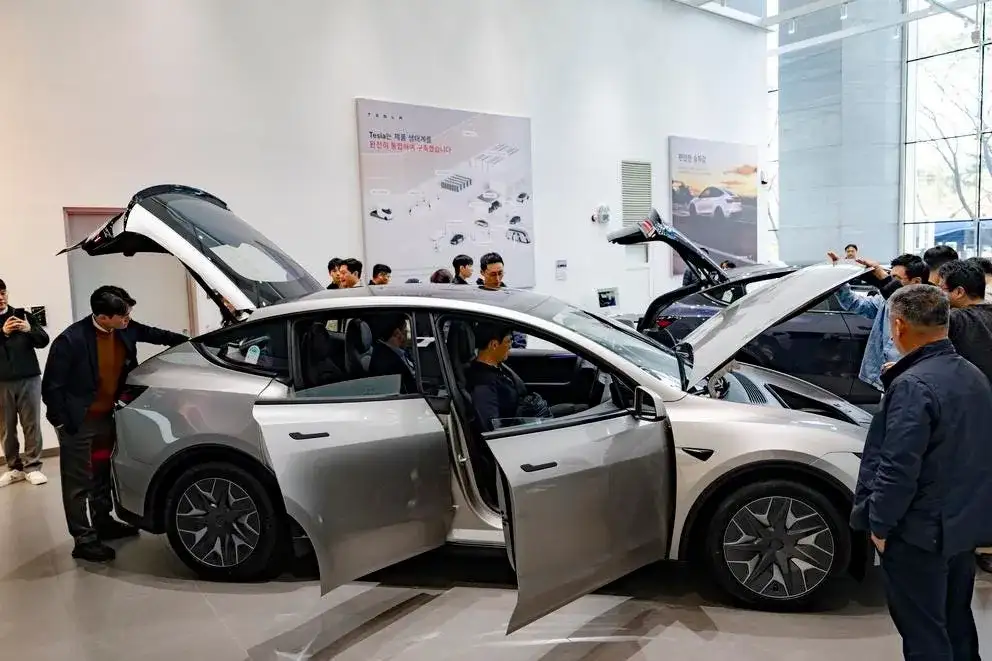
While higher fuel prices are spurring interest in electric vehicles (EVs) across much of the globe, sales trends reveal a stark divide, with significant growth in Europe, Asia, and Latin America contrasting sharply with declines in China and the United States. This divergence is largely attributed to a complex interplay of market affordability, existing infrastructure, and regional consumer responses to fluctuating gasoline costs, particularly in the wake of geopolitical tensions.
Regional Disparities in EV Adoption
Reports indicate a 23 percent drop in new electric vehicle sales in the U.S. from the previous year, according to Cox data. Concurrently, the price of used electric vehicles has reportedly leveled with comparable gasoline-powered cars, a factor that could ordinarily boost sales but doesn't seem to be translating into broad adoption in the American market. This stands in contrast to other regions where EV sales are described as "booming."
Read More: Tesla Model Y L 6-Seater US Launch Date and Price Details
However, the picture is not uniformly positive for EVs. China, a major EV market, has also seen declining sales, complicating the global narrative. The reasons behind these varied trends remain a subject of ongoing observation, with factors such as consumer affordability and the availability of cheaper used options appearing to play significant roles.
Affordability as a Persistent Hurdle in the U.S.
In the United States, the surge in gasoline prices, exacerbated by geopolitical events, has undeniably led to an increase in consumer interest in electric vehicles. Edmunds data suggests a noticeable uptick in shoppers researching electrified options. Yet, this heightened interest does not consistently translate into purchases.
New EVs continue to be a significant financial commitment for many American consumers, disproportionately favoring wealthier demographics. This affordability gap remains a primary barrier, even as drivers grapple with rising costs at the pump. While interest may be piqued, the capacity to act on that interest, particularly for a sustained period of high fuel prices, is a considerable question mark. Automakers, citing softer-than-expected demand and infrastructure challenges, have consequently scaled back or reconsidered their EV model rollouts in the U.S.
Read More: Gold Prices Rise Faster Than US Bonds in April 2026
Used Market Dynamics and Future Projections
The emergence of more affordable used electric vehicles is seen as a potential pathway to broader adoption. As leases on earlier models expire, a considerable influx of used EVs is expected to hit the market. This could provide a more accessible entry point for consumers who find new EVs beyond their financial reach.
The longevity of high gasoline prices is also a critical variable. If elevated fuel costs persist, consumers may be compelled to seriously weigh fuel economy and electrification more heavily in their purchasing decisions. Conversely, a swift resolution to geopolitical conflicts and a subsequent drop in gasoline prices could dampen this nascent interest, leaving EV sales on uncertain ground.
Global Context and Infrastructure
Globally, EVs represent one in five new vehicle sales, with some nations like Norway having nearly phased out the sale of new gasoline cars. This highlights the diverse pace of electrification worldwide. While high gasoline prices are generally a strong catalyst for EV sales, especially if sustained, other factors such as electricity rates and the total cost of ownership also influence consumer choices.
Read More: New Cars Under $25,000 Drop to Only 11 Models in April 2026
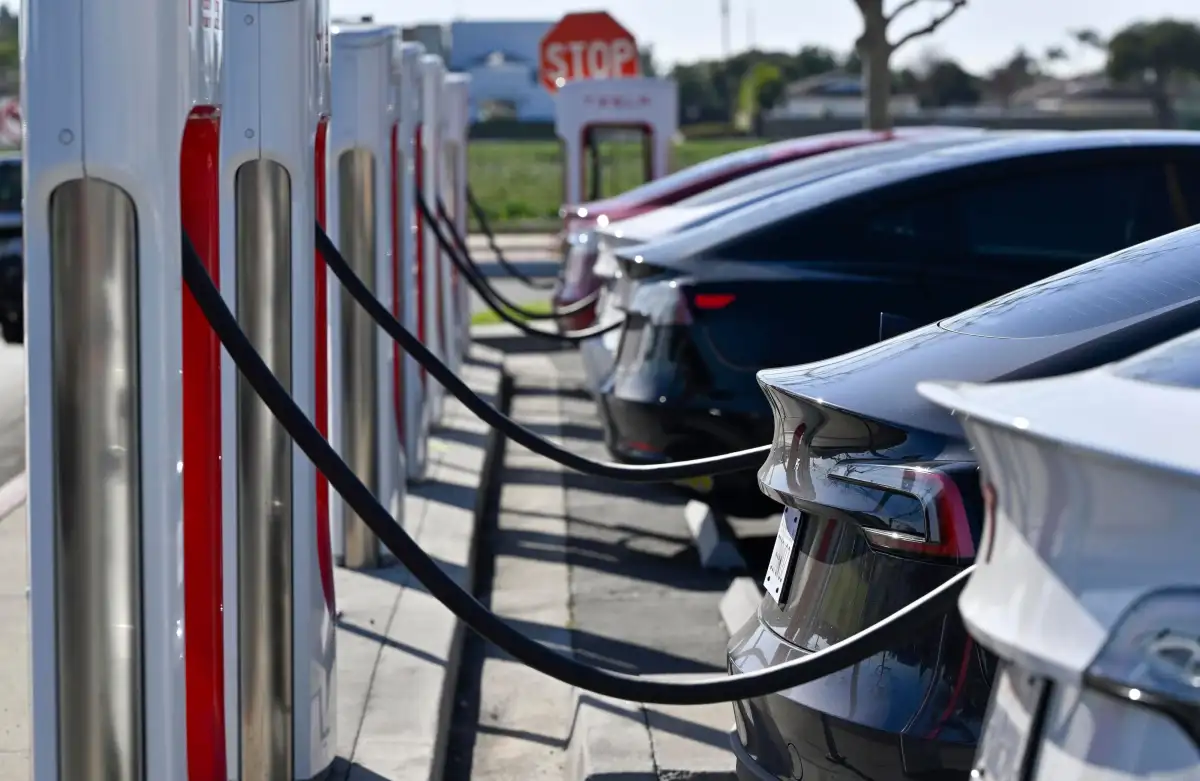
The cost of generating electricity, linked to natural gas prices, has not risen at the same rapid pace as oil prices, offering a degree of insulation for some EV owners regarding operating costs. Nevertheless, the complex economic landscape and the varying stages of charging infrastructure development continue to shape the EV market's trajectory in different parts of the world.