POP STAR'S FASHION CHOICE SPARKS CLAIMS OF INFANTILIZATION AMIDST CULTURAL RECKONING
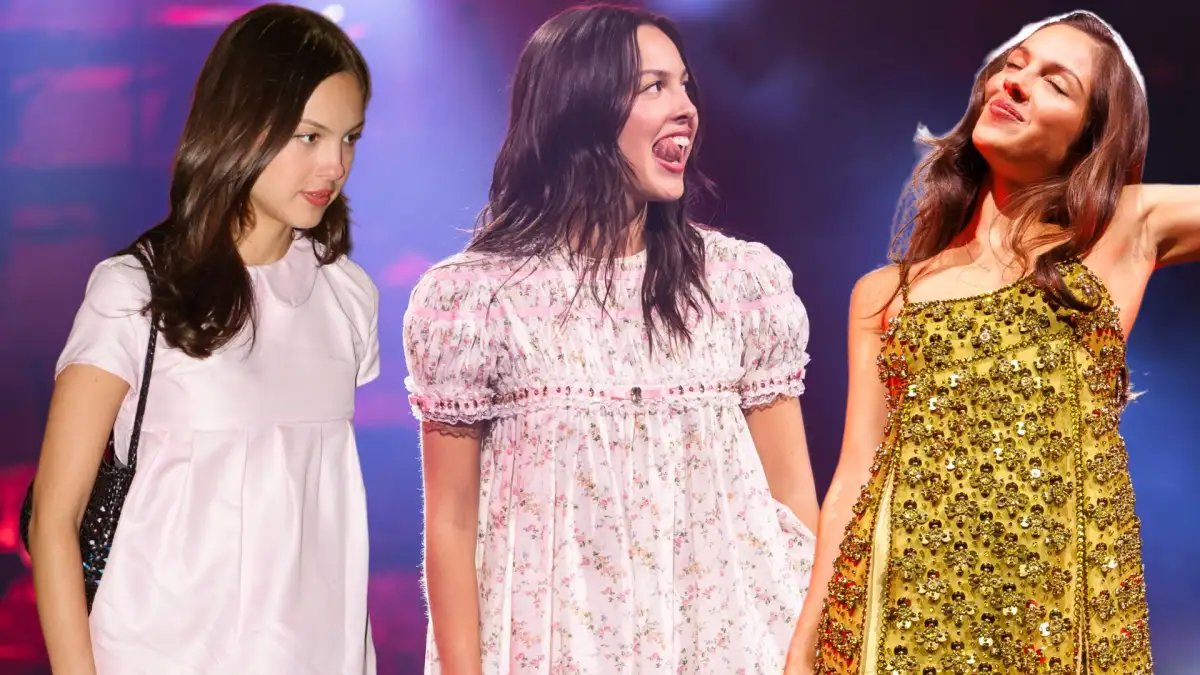
Olivia Rodrigo's recent embrace of the babydoll dress, particularly during a performance in Barcelona on May 8, has ignited a fierce online debate. While some observers have decried the style, likening it to children's clothing and suggesting it infantilizes the 23-year-old artist, others argue such interpretations miss a crucial historical context. The controversy centers on how Rodrigo's fashion choices are being perceived, with interpretations ranging from a calculated move invoking '90s counterculture to a straightforward display of personal style not intended to provoke outrage.
Critics have pointed to the dress's loose silhouette, ruffle trim, and floral print as elements that invite comparisons to childlike attire. This reaction has led to widespread discussion on social media, with some framing it as a "fashion faux pas" and others seeing it as a deliberate stylistic statement. The pushback appears to tap into existing anxieties surrounding gender presentation and female agency, particularly within the public eye.
Read More: Penelope Cruz Debuts New "Weekend Bob" Hairstyle for Film Promotions

HISTORICAL ROOTS AND MODERN INTERPRETATIONS
However, fashion historians and cultural commentators suggest these critiques overlook the garment's significant ties to '90s punk and grunge movements. Figures like Courtney Love, Bjelland, and Allison Wolfe were known for adopting similar hyper-feminine, yet rebellious, aesthetics. Rodrigo's styling, which often blends "twee" elements with grungier influences, is seen by some as a direct homage to these artists and the Riot Grrrl scene. This approach, they contend, caters to a "girly sensibility" and is meant to resonate with her predominantly young female audience, rather than inviting a "male gaze" or seeking sexualization.
"Much like her music, it caters to girly sensibilities, not to a male gaze. Her fans—primarily girls and young women—can see themselves in those outfits… just as they can see themselves picking up a guitar."
The babydoll dress, according to some analyses, has always existed in a state of "tension," capable of signaling playfulness without necessarily implying regression or sexualization. Rodrigo's consistent use of the style, off-duty and on, is interpreted by some fashion experts as a deliberate reference, not an attempt to generate outrage. Her personal affinity for the look is further evidenced by her own statements, including a recent declaration of obsession with the style to British Vogue.
Read More: Paul McCartney and Bruce Springsteen impact on rock music legacy 2026
"Right now, the babydoll dress is saying: playfulness is not a crime. The babydoll is back, yes, but not as a regression."
BROADER CONVERSATIONS
The discourse surrounding Rodrigo's fashion choices is also being examined through the lens of broader societal trends and online behavior. Some speculate that the intensity of the reaction might be amplified by automated or coordinated online activity, while others attribute it to ingrained misogyny. The debate, irrespective of its origins, highlights the ongoing scrutiny faced by female artists regarding their appearance and artistic expression. The babydoll dress, in this context, becomes a symbol onto which various interpretations and projections are cast, reflecting wider cultural conversations about innocence, rebellion, and female autonomy.
:max_bytes(150000):strip_icc()/GettyImages-2278551725-50710cd65d104f41880e3e15f0caa8fe.jpg)