The European Union's evolving stance on internal combustion engine (ICE) vehicle sales from 2035 has generated significant unease among major automakers, with Mercedes-Benz expressing concern that the revised targets create more ambiguity than clarity. The automotive giant, like many in the sector, has been recalibrating long-term investment strategies in anticipation of a stricter, all-electric future. The recent adjustments, which now allow for plug-in hybrids and range extenders beyond the initial 2035 cut-off and permit CO2 reduction shortfalls to be met by means other than pure electrification, risk undermining planned transitions and necessitating costlier, multi-pronged development approaches.
Automakers Reassessing Long-Term Strategies Amidst Regulatory Flux
The EU's tentative retreat from an absolute ban on new ICE vehicles by 2035, a move influenced by pressure from member states like Germany and Italy, alongside key industry players, has prompted a significant reassessment of automotive strategies. This pivot introduces complexities, as automakers have already been redirecting substantial capital toward battery technology, electric motors, and software development. The flexibility now proposed, which includes offsetting CO2 targets through measures such as lower-carbon steel production and the utilization of sustainable fuels, presents a less abrupt transition but complicates meticulous, decade-long planning cycles.
Read More: Tesla Model Y L 6-Seater US Launch Date and Price Details

"The door has been opened slightly for now," Ola Källenius, CEO of Mercedes-Benz and president of the ACEA, remarked, suggesting that while a shift away from rigid targets is acknowledged, the exact implications remain unclear.
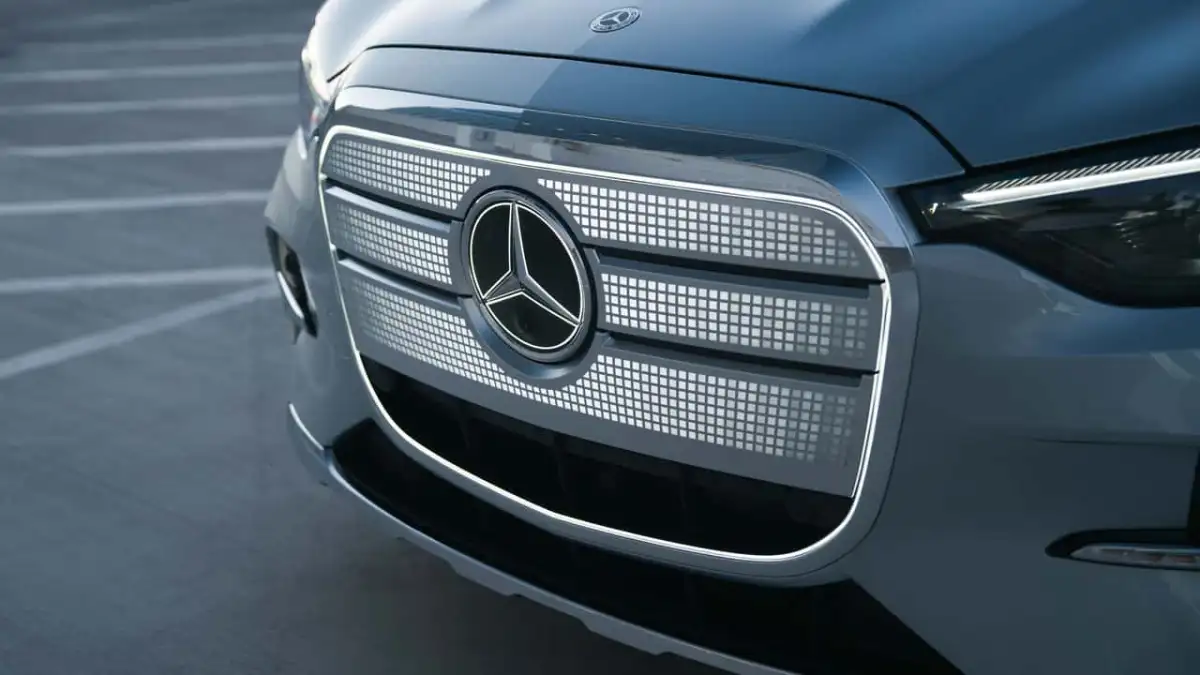
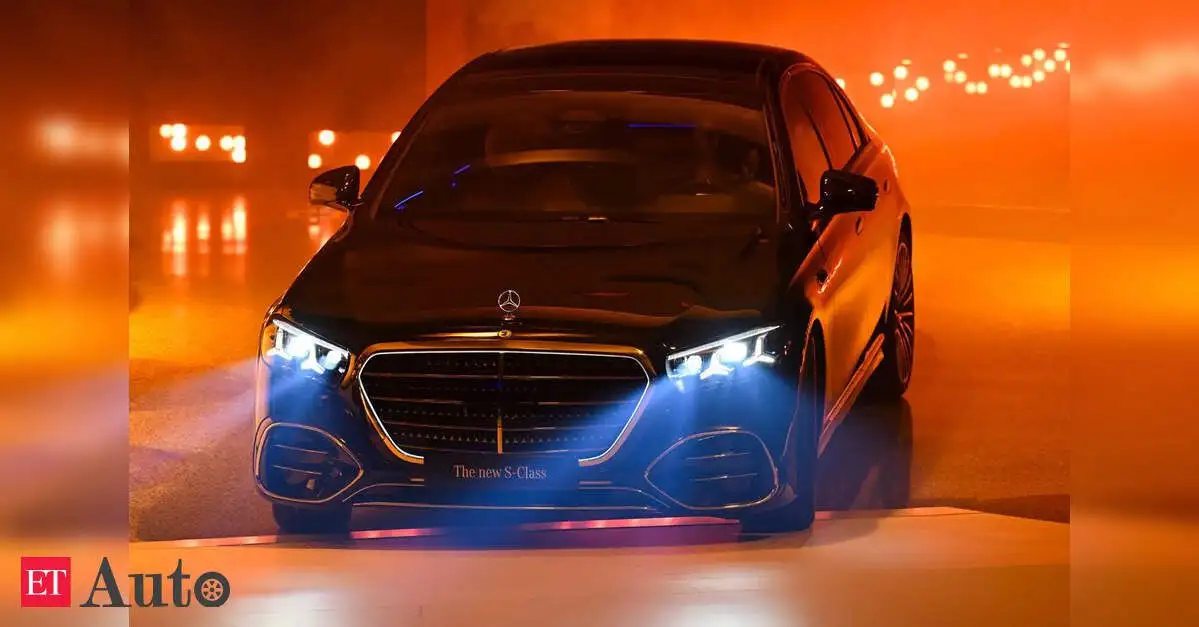
This regulatory ambiguity directly impacts investment decisions. Automakers find themselves in a position where they must account for various potential future pathways, a scenario that inherently increases operational costs. The previous, more definitive trajectory toward electrification had spurred automakers to curtail investment in new ICE platforms. Now, with the rules in a state of flux, there is a potential for renewed investment in combustion engine technology, alongside the continued push for electric vehicles. Mercedes-Benz, for instance, is reportedly developing a new generation of electric vehicles designed to closely mirror the aesthetics of its traditional sedans, a move aimed at appealing to a more established customer base after mixed reception to some of its earlier EQ-branded designs.

Economic Pressures and Competitive Landscape Complicate Transition
The debate over the EU's emission targets is occurring against a backdrop of considerable economic headwinds for the automotive sector. =Recent financial reports from major manufacturers, including Mercedes-Benz, have indicated significant downturns in revenue and profit. These declines are attributed, in part, to the adverse effects of trade tariffs and a general sluggishness in consumer demand for new vehicles.= Adding to this strain is the escalating competition from Chinese automotive firms, which are rapidly gaining market share with more affordably priced electric vehicles.
Read More: BEREC Asks for Mobile Network API Ideas from Developers

Ola Källenius has been a vocal proponent of what he terms a "reality check" for the EU's ambitious decarbonization timelines. He has warned that the current policy trajectory, if implemented inflexibly, could place European manufacturers at a distinct competitive disadvantage, potentially weakening an industry that is a cornerstone of the continent's economy, employment, and export revenue.
"We must not lose sight of our economy," Källenius has stated, emphasizing the potential risk to Europe's industrial strength and its capacity for innovation if the sector is unduly strained.
The figures cited to support these concerns highlight the challenges. In the first half of 2025, sales of purely electric vehicles in EU and associated European markets accounted for approximately 17.5 percent of total sales. When plug-in hybrids (PHEVs) are included, electrified models represented around 20.1 percent of deliveries. These figures fall significantly short of the ambitious targets previously envisioned for 2035, underscoring the gap between policy aspirations and current market realities.
Background: The Road to 2035 and its Revisions
The initial European Union regulation, which effectively signaled a ban on the sale of new internal combustion engine vehicles from 2035, was established with the aim of achieving the bloc's ambitious climate goals. This policy, however, faced significant opposition and scrutiny from various stakeholders within the automotive industry and some member states.
Read More: New Cars Under $25,000 Drop to Only 11 Models in April 2026
Key points of contention included:
Economic Viability: Critics argued that an abrupt phase-out could cripple European car manufacturers, who were already grappling with subdued demand, intense global competition, and the costly transition to electric powertrains.
Consumer Acceptance: The market penetration of electric vehicles, while growing, had not yet reached levels that would support a complete phase-out by the set deadline. Consumer preference, charging infrastructure availability, and vehicle affordability remained significant barriers.
Technological Neutrality: Debates emerged regarding the strictness of the ban, with calls for greater flexibility to accommodate alternative low-emission technologies, such as advanced plug-in hybrids and vehicles utilizing synthetic or e-fuels.
The policy is scheduled for review, with discussions and proposals for revision gaining momentum. In December 2025, the European Commission put forth revised proposals that, if approved by member states, would allow automakers to continue selling plug-in hybrids and range extenders beyond 2035. These revisions also introduce provisions for meeting CO2 reduction targets through a wider array of measures beyond just vehicle electrification. This recalibration reflects a growing acknowledgement of the complex interplay between environmental objectives and economic realities within the European automotive landscape.