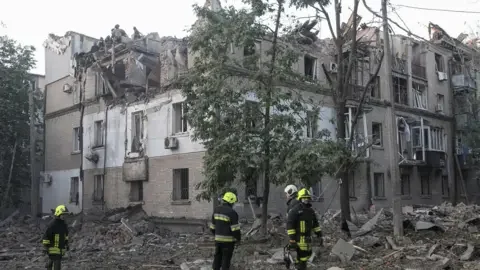
Vladyslav Heraskevych, a Ukrainian skeleton athlete, has exited the Milan Cortina Games after refusing to change his helmet. The helmet bears images of Ukrainian athletes and coaches who have died during the conflict with Russia. The International Olympic Committee (IOC) cited Rule 50 of the Olympic Charter, which prohibits political, religious, or racial demonstrations at Olympic sites.
Circumstances Leading to Heraskevych's Withdrawal
Heraskevych's decision to wear a helmet honoring fallen compatriots became a point of contention as the Games commenced. Despite his stated intent to compete with the helmet, the IOC intervened, requesting he use an alternative.
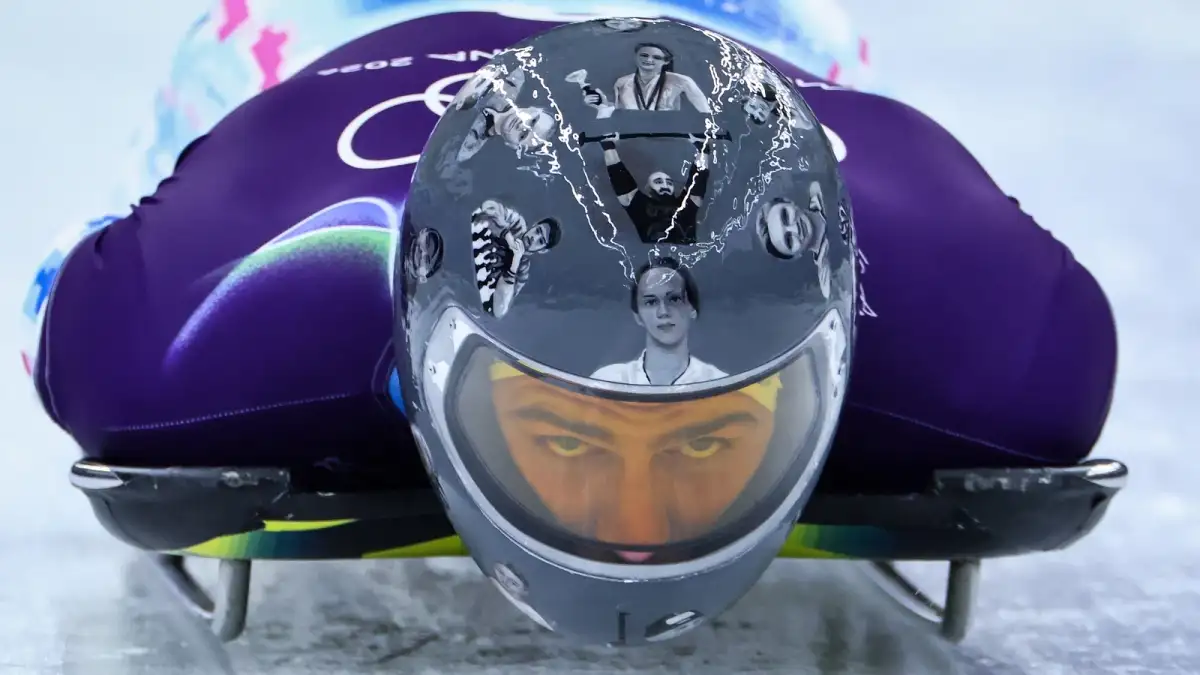
Heraskevych stated his helmet displays over 20 Ukrainian athletes and coaches killed in the war.
The International Bobsled and Skeleton Federation informed Heraskevych that his helmet choice was "inconsistent with the Olympic Charter and Guidelines on Athlete Expression."
The IOC offered concessions, including the option to wear a black armband or display the helmet off-ice.
Heraskevych declined these alternatives, believing that "some things are more important than sports."
The Helmet's Significance and IOC Stance
The helmet served as a tribute, depicting not only athletes but also children and sports supporters. Among those honored were national teammate Dmytro Sharper and boxer Maksym Halinichev. Heraskevych highlighted perceived inconsistencies in IOC rulings, pointing to instances where Russian athletes reportedly displayed images of soldiers without apparent sanctions.
Read More: FIFA World Cup 2026 Revenue Reaches $15 Billion With New Ticket Prices
"He got that ruling Monday night. The International Olympic Committee, he said, won't let it happen." (NBC Los Angeles)
The IOC's decision to ban the helmet was based on Rule 50, which aims to maintain political neutrality within the Olympic Games. Athletes are permitted to express views in press conferences and on social media, but not during competition.
Conflicting Interpretations of Athlete Expression
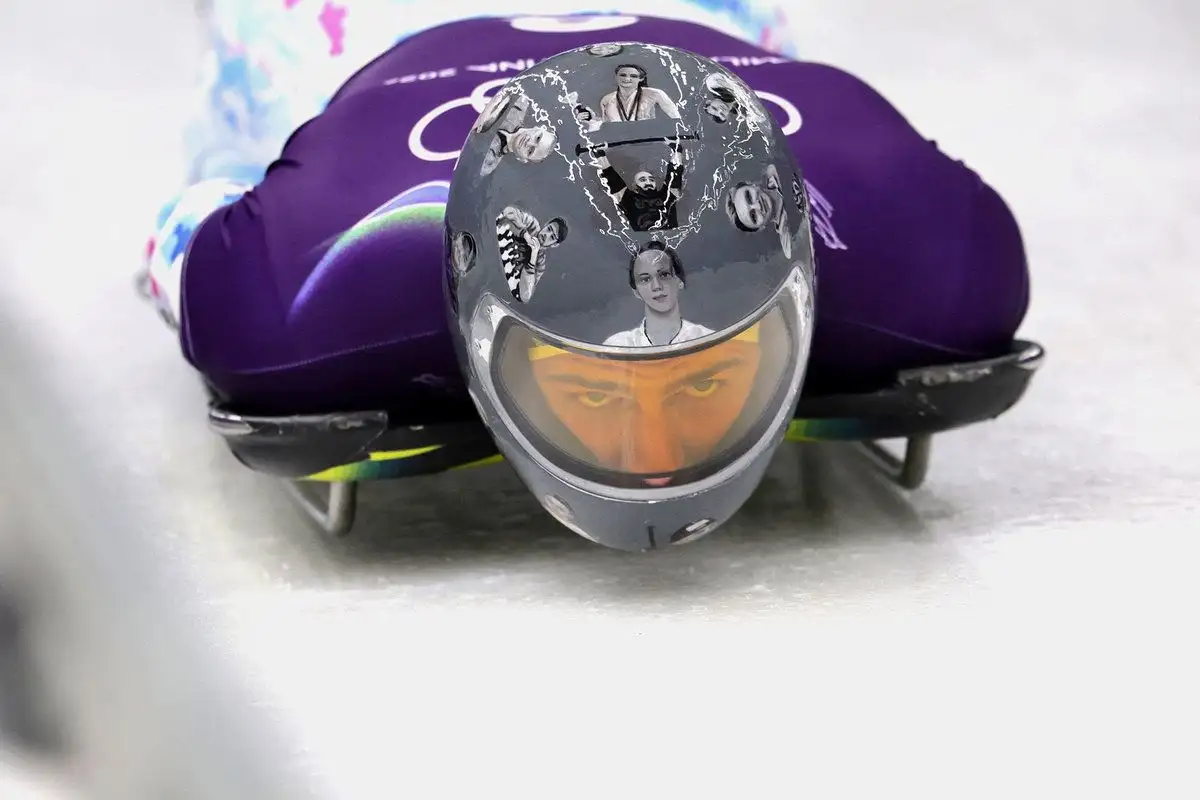
Heraskevych maintained that his helmet did not violate any rules and expressed confusion regarding the IOC's stance, especially in light of other displays at the Games. He noted that a Russian team had previously displayed photographs of fallen soldiers.
Heraskevych stated his intention to wear the helmet during training and race days, regardless of the IOC's ruling.
He was informed of the ruling on a Monday night, after training with the helmet earlier that day.
The Ukrainian Olympic Committee officially requested the IOC permit Heraskevych to wear the "helmet of remembrance."
International Reactions and Precedent
The situation has drawn broader criticism, with some viewing Heraskevych's stance as a legitimate expression of remembrance. The IOC has previously addressed the conflict by banning Russia from Olympic competition, though a number of Russian and Belarusian athletes are competing as Individual Neutral Athletes.

"All these athletes, they were killed, but their voice is so loud, the IOC has heard them." (Vladyslav Heraskevych, The New York Times)
Heraskevych indicated he did not anticipate penalties, asserting he had not broken any rules.
Read More: 22 Civilians Killed in Russian Missile Attack on April 7 2026
The IOC has a history of enforcing rules regarding political expression during the Games.
The allowance of neutral athletes from Russia and Belarus has been a point of discussion.
Heraskevych's supporters, including the Ukrainian Olympic Committee, have backed his position.
Conclusion and Future Considerations
Vladyslav Heraskevych's decision not to compete underscores the tension between athlete expression and Olympic regulations. The IOC's adherence to Rule 50, and Heraskevych's conviction in honoring his fallen countrymen, led to his withdrawal.
Heraskevych will not participate in the skeleton competition.
The debate highlights the complexities of defining and enforcing political neutrality in sports.
The IOC's decision remains firm regarding helmet adornments during competition.
Sources:
ESPN: https://www.espn.com/olympics/story//id/47906778/ukrainian-skeleton-star-games-banned-helmet-protest
CBS News: https://www.cbsnews.com/news/winter-olympics-ukraine-russia-war-vladyslav-heraskevych-skeleton-racer-helmet/
NBC Los Angeles: https://www.nbclosangeles.com/olympics/2026-milan-cortina/ukrainian-skeleton-racer-helmet-tribute-not-allowed/3844296/
RTÉ: https://www.rte.ie/sport/olympics/2026/0210/1557660-ioc-bans-sliders-helmet-featuring-dead-ukrainians/
Local News 8 (CNN): https://localnews8.com/sports/cnn-sports/2026/02/10/ukrainian-skeleton-slider-says-ioc-has-banned-helmet-showing-athletes-killed-in-war/
CTV News: https://www.ctvnews.ca/sports/article/ioc-bans-ukrainian-skeleton-sliders-helmet-showing-athletes-killed-in-war-1.7735460
The Athletic (NYT): https://www.nytimes.com/athletic/7035955/2026/02/10/ukraine-skeleton-helmet-banned-olympics/