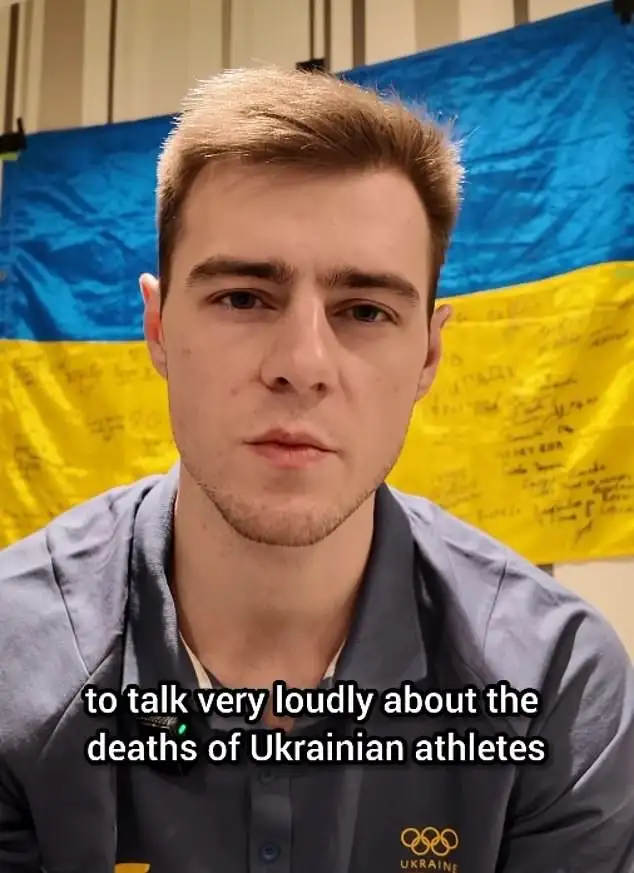
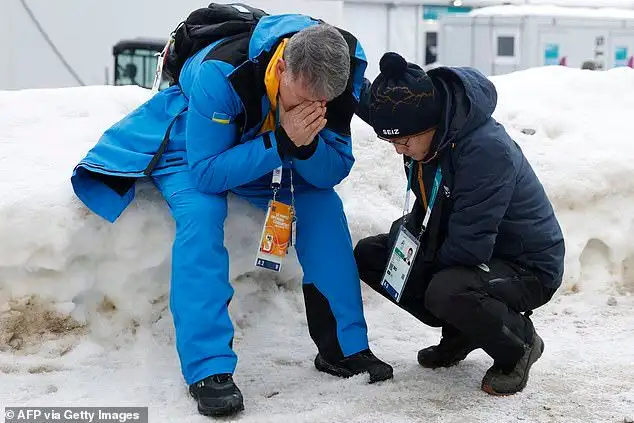
A Ukrainian skeleton racer, Vladyslav Heraskevych, has been disqualified from the Winter Olympics after refusing to remove a helmet adorned with images of Ukrainian athletes killed in the ongoing war. The International Olympic Committee (IOC) cited violations of its athlete expression guidelines. This action led to the stripping of his accreditation, requiring him to leave the Games. Heraskevych, who was considered a medal contender, had maintained his stance that honoring fallen athletes was more important than sport, despite extensive discussions and an offer from the IOC to wear a black armband instead.
Context of the Disqualification
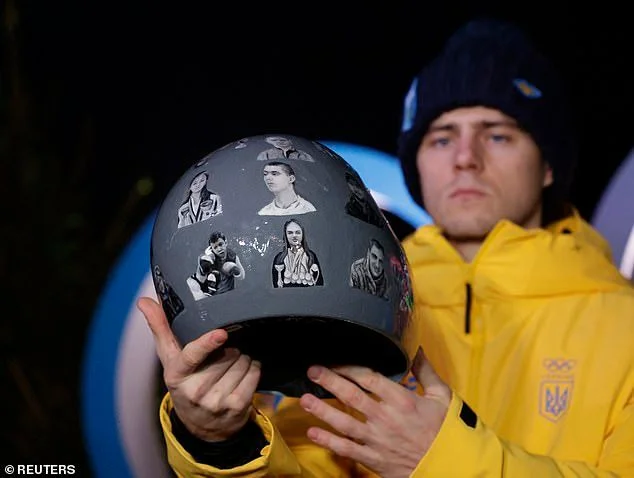
Vladyslav Heraskevych, the Ukrainian flag bearer, intended to use the Winter Olympics in Milan-Cortina as a platform to maintain international attention on the conflict in his homeland. He had prepared a custom helmet featuring the images of Ukrainian athletes who have died since the 2022 Russian invasion, including Olympians and Youth Olympic medallists. The IOC formally banned this helmet from training and competition, asserting that it contravened their rules on athlete expression.
Read More: FIFA World Cup 2026 Revenue Reaches $15 Billion With New Ticket Prices
Heraskevych wore the helmet during training sessions on Tuesday and Wednesday.
The IOC engaged in multiple meetings with Heraskevych and the Ukrainian Olympic Committee in an attempt to resolve the situation.
IOC President Kirsty Coventry reportedly made a final attempt on Thursday morning to persuade Heraskevych to change his mind.
Despite these efforts, Heraskevych remained resolute in his decision to honor the fallen athletes.
The disqualification was announced on Thursday morning, shortly before his scheduled competition.
Heraskevych's Stance and IOC's Position
Heraskevych expressed that he did not seek a scandal with the IOC and insisted he had not violated any rules. He stated his intention to wear the helmet for the race, emphasizing that some things are more important than sports. The Ukrainian Olympic Committee officially requested permission for Heraskevych to wear the "helmet of remembrance."
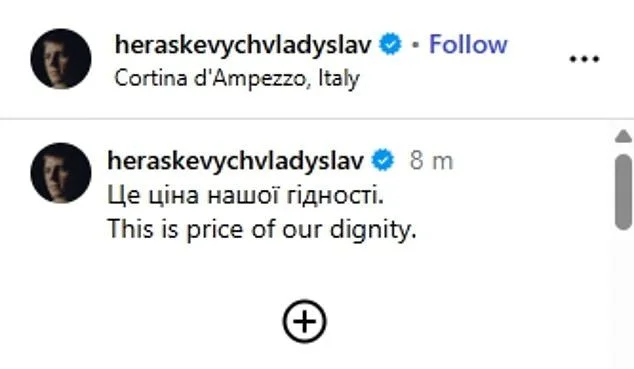
Conversely, the IOC maintained that Heraskevych refused to compromise, even when presented with alternative solutions like wearing a black armband. The committee stated that, having been given a final opportunity, Heraskevych would not be permitted to start his race. The IOC's official statement indicated he was disqualified for "refusing to adhere to the IOC athlete expression guidelines."

Evidence of Communication and Disagreement
Reports indicate a direct engagement between IOC President Kirsty Coventry and Heraskevych.
"The IOC was very keen for Mr Heraskevych to compete. I think the IOC owe him an apology. IOC president Kirsty Coventry made one last-ditch attempt on Thursday morning to persuade Heraskevych to end the stand-off, but with neither party willing to budge, the 27-year-old has had his accreditation stripped."— Article 1, Daily Mail
"Coventry spoke with reporters after the meeting, tears rolling down her face as she made here statement. However that argument ultimately fell on deaf ears, despite numerous meetings with the IOC, who claimed that Heraskevych refused to listen to any form of compromise, including the offer to wear a black armband. Sadly we’ve not been able to find that solution” she added, choking up."— Article 2, The Guardian
"Heraskevych told CNN, “It’s not basic to put any sanctions or disqualifications or anything or penalties on me because we didn’t violate any rules.”"— Article 3, CNN
"In a statement, the International Olympic Committee said Heraskevych had been kicked out of the Milan-Cortina Games 'after refusing to adhere to the IOC athlete expression guidelines'."— Article 5, NBC News
Precedent and Athlete Expression
While the IOC has strict rules regarding political or propaganda statements at the Games, there have been instances where athletes' expressions were handled differently. The report mentions the case of two Chinese cycling medallists who wore badges featuring Mao Zedong on the Tokyo Olympics podium and received only a warning. Conversely, some actions have led to expulsion, as noted in the comparison to a past incident involving athletes Tommie Smith and Peter Norman.
Read More: 22 Civilians Killed in Russian Missile Attack on April 7 2026
The IOC has allowed 13 Russian and 7 Belarusian athletes to participate as Individual Neutral Athletes.
These neutral athletes are subject to strict rules, particularly regarding any public support for the invasion of Ukraine or ties to the Russian military.
Heraskevych's helmet featured images of fellow athletes, a visual tribute rather than a direct political slogan.
Legal Recourse and Future Actions
Heraskevych has indicated his intention to appeal the disqualification to the Court of Arbitration for Sport (CAS). His stance has garnered support from the Ukrainian President, Volodymyr Zelensky.
Heraskevych stated, "I will wear it tomorrow and I will wear it for the race day."
Ukrainian President Volodymyr Zelensky defended Heraskevych's right to wear the helmet and thanked him on social media.
Conclusion
The disqualification of Vladyslav Heraskevych from the Winter Olympics stems from his refusal to comply with the IOC's athlete expression guidelines concerning his memorial helmet. The IOC maintained that Heraskevych rejected compromise, while he asserted his right to honor fallen compatriots. This situation highlights the ongoing tension between national sentiment, wartime realities, and the Olympic charter's rules on athlete conduct and expression. Heraskevych's appeal to the CAS will be a key next step in resolving this matter.
Sources:
Daily Mail: https://www.dailymail.co.uk/sport/winterolympics/article-15552655/Ukrainian-helmet-Winter-Olympics-Milan-Cortina-Vladyslav-Heraskevych-disqualify.html (Published: Il y a 1 heure)
The Guardian: https://www.theguardian.com/sport/2026/feb/12/ukraine-vladyslav-heraskevych-disqualified-winter-olympics-skeleton-helmet-protest-war-deaths (Published: il y a 12 minutes)
CNN: https://edition.cnn.com/2026/02/10/sport/heraskevych-ukraine-helmet-olympics-ban (Published: Il y a 1 jour)
NPR: https://www.npr.org/2026/02/11/nx-s1-5711107/ukrainian-sled-racer-says-he-will-wear-helmet-honoring-slain-soldiers-despite-olympic-ban (Published: Il y a 1 jour)
NBC News: https://www.nbcnews.com/sports/olympics/ukraine-vladyslav-heraskevych-disqualified-winter-olympics-helmet-war-rcna258696 (Published: il y a 29 minutes)
CBS News: https://www.cbsnews.com/news/ukrainian-olympian/ (Published: il y a 27 minutes)
RFI: https://www.rfi.fr/en/olympic-games/20260212-ukraine-skeleton-racer-heraskevych-disqualified-from-olympics-over-memorial-helmet (Published: Il y a 9 heures)
France24: https://www.france24.com/en/sport/20260210-ioc-bans-helmet-honouring-ukraine-s-war-dead-at-olympics-allows-black-armband (Published: Il y a 1 jour)
The Independent: https://www.independent.co.uk/sport/olympics/winter-olympics/ukraine-vladyslav-heraskevych-skeleton-helmet-war-winter-olympics-b2916798.html (Published: Il y a 2 jours)
CBC Sports: https://www.cbc.ca/sports/olympics/winter/skeleton/skeleton-racer-displays-images-of-athletes-killed-in-ukraine-war-on-his-helmet-9.7080901 (Published: Il y a 2 jours)