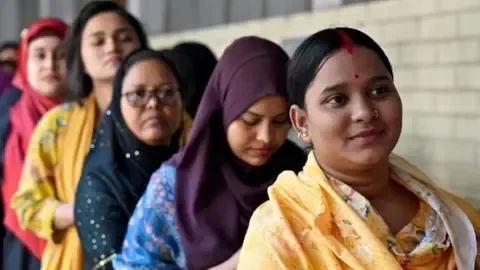
Polls have closed in Bangladesh's parliamentary election, a significant event marking the nation's first vote since youth-led protests led to the ouster of former Prime Minister Sheikh Hasina. This election, following 15 years of Hasina's rule, is being closely watched as a test for the country's democratic processes. Alongside electing new parliamentary representatives, voters also cast ballots on proposed constitutional reforms aimed at restructuring governance. The interim government, led by Dr. Yunus, has overseen the transition, with Tarique Rahman of the BNP and Shafiqur Rahman of Jamaat-e-Islami emerging as the principal contenders for the prime ministership.
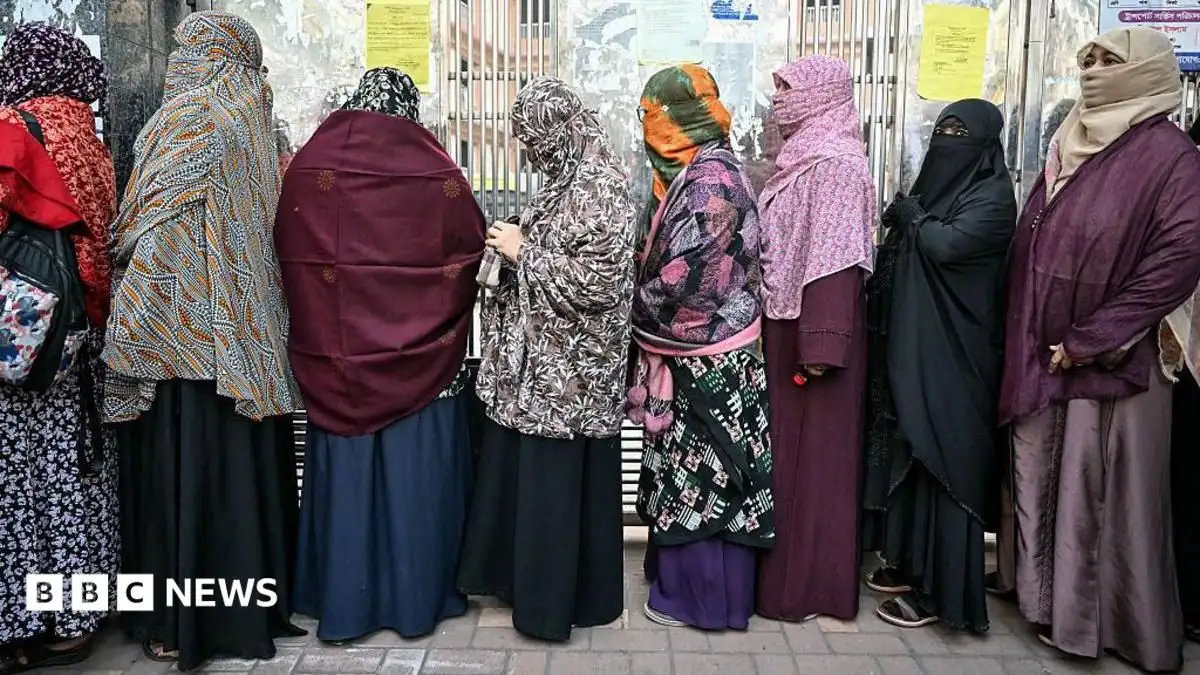
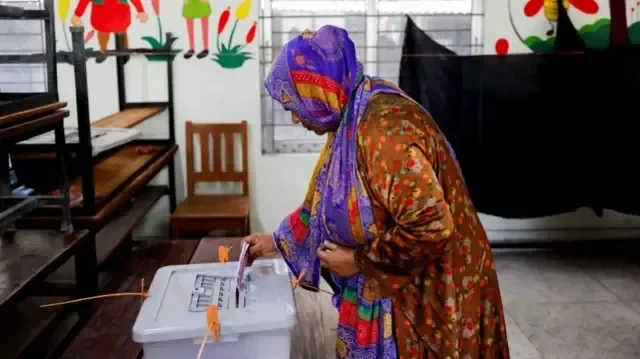
The political landscape has been substantially altered, with Hasina's Awami League party barred from participating in this election. This unprecedented situation has paved the way for other parties, notably the BNP and Jamaat-e-Islami, to vie for power. The presence of dynastic politics is evident, with Tarique Rahman, son of former Prime Minister Khaleda Zia, being a prominent candidate. Voter turnout has been described as enthusiastic, with many casting their ballots for the first time, highlighting a palpable sense of civic engagement.
Read More: Taiwan Holds Nantou County Drills to Prepare for State Collapse
Election Framework and Key Contenders
The election process involves over 2,000 candidates competing for 350 parliamentary seats. Notably, Jamaat-e-Islami has put forward more than 200 candidates, exclusively men, reflecting the party's demographic composition. The BNP, meanwhile, has nominated 10 women among its over 250 candidates.
Tarique Rahman: A leading figure for the BNP, Rahman returned to Bangladesh in December after 17 years in self-exile in London. His candidacy highlights the party's established political lineage.
Shafiqur Rahman: The leader of Jamaat-e-Islami, also a key contender. His party's participation with a substantial number of candidates signifies its continued presence in the political arena.
Dr. Yunus: The interim head of government, who stepped in after Hasina's departure. He has cast his vote and has been seen congratulating the participants.
Referendum on Constitutional Reforms
Beyond electing a new government, the election includes a referendum on significant constitutional reforms. These proposed changes aim to introduce measures such as:
Prime ministerial term limits.
Stronger checks and balances on executive power.
Safeguards against the consolidation of parliamentary authority.
The inclusion of this referendum underscores a broader national aspiration for systemic change and a more robust democratic framework.
Electoral Environment and Incidents
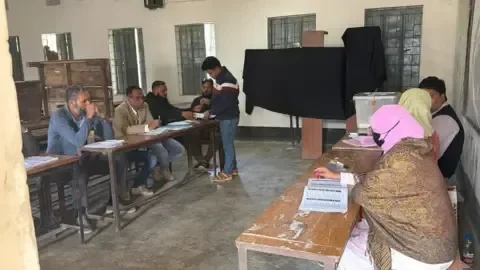
The voting process has been managed with a considerable deployment of security personnel. Approximately 958,000 individuals from the police, army, and paramilitary forces were stationed across the country to ensure order. Reports from early voting indicated a lack of major violence. However, isolated incidents have been noted:
Read More: Measles Deaths Rise to 495 Amidst Many New Cases
A BNP leader died following a scuffle outside a polling booth in Khulna.
A homemade bomb explosion outside a polling booth in Gopalganj, Hasina's former stronghold, resulted in injuries to two paramilitary personnel and a 13-year-old girl.
Despite these incidents, the overall atmosphere at many polling stations has been characterized by enthusiasm, with some observers likening the voter engagement to a festive occasion.
Analysis of Representation
The current electoral participation offers a glimpse into the representation within the contesting parties:

| Party | Number of Candidates | Notable Demographics |
|---|---|---|
| Jamaat-e-Islami | > 200 | All male |
| BNP | > 250 | 10 women nominated |
| Awami League | Barred from election | Not participating |
The exclusion of the Awami League has significantly reshaped the electoral competition, creating an opportunity for opposition parties to gain a stronger foothold.
Conclusion and Future Outlook
The closing of polls marks a critical juncture in Bangladesh's political narrative. The election results will determine the composition of the new parliament and the country's leadership, potentially ushering in an era defined by the proposed constitutional reforms. The effectiveness of the security measures in maintaining a peaceful electoral process, despite isolated incidents, will also be a key factor in assessing the integrity of the vote. The performance of parties like Jamaat-e-Islami and the BNP, especially in the context of the reforms and the absence of the Awami League, will shape the future trajectory of Bangladesh's governance and democratic institutions.
Read More: FBI Analysts Review Georgia 2020 Election Data in Fulton County
Sources:
BBC News Live: https://www.bbc.co.uk/news/live/cd03znje072t
GBC Ghana Online: https://www.gbcghanaonline.com/news/polls-close-in-bangladeshs-first-election-since-gen-z-protests-ousted-former-pm-sheikh-hasina/2026/
France 24: https://www.france24.com/en/bangladesh-votes-in-its-first-election-since-the-2024-gen-z-uprising-that-ousted-hasina
NBC News: https://www.nbcnews.com/world/asia/polls-open-bangladeshs-first-election-2024-uprising-ousted-hasina-rcna258684
The National: https://www.thenationalnews.com/news/2026/02/12/bangladesh-votes-with-hope-in-landmark-election/
Straits Times: https://www.straitstimes.com/asia/south-asia/bangladesh-votes-in-landmark-election-after-gen-z-revolution