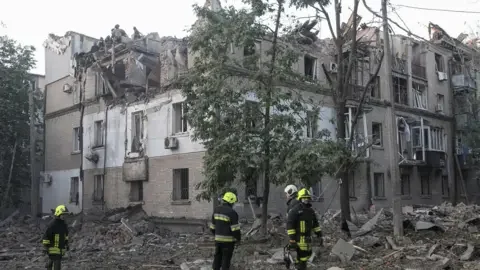
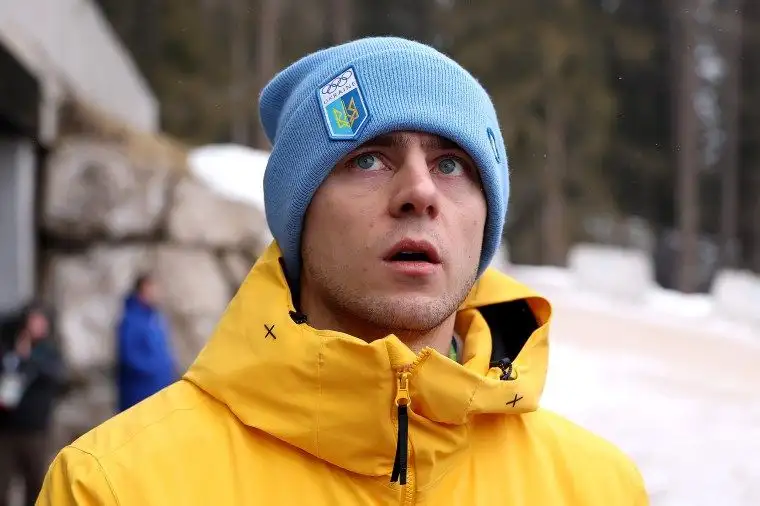
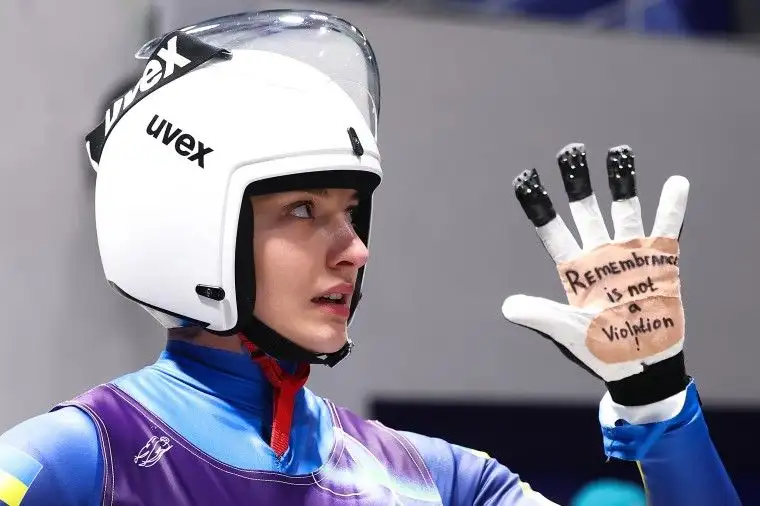
A Ukrainian skeleton athlete, Vladyslav Heraskevych, has been disqualified from the Winter Olympics due to his refusal to remove a helmet honoring athletes killed in the war with Russia. The decision, made by the International Olympic Committee (IOC), has sparked debate about athlete expression and the committee's application of its rules. Heraskevych's disqualification occurred just before his competition was set to begin, preventing him from participating as a medal contender.
Events Leading to Disqualification
The situation unfolded in the days leading up to Heraskevych's scheduled competition. The IOC had warned the athlete that his helmet, featuring images of Ukrainian athletes who died in the conflict, violated the Olympic Charter's Rule 50, which prohibits political or other demonstrations at Olympic sites.
Helmet Design: The helmet displayed images of Ukrainian athletes who lost their lives in the ongoing war with Russia.
IOC Rule 50: The IOC cited this rule, which prohibits political, religious, or racial demonstrations or propaganda on Olympic sites.
Athlete's Stance: Heraskevych maintained that his helmet did not contain political slogans and was a tribute to fallen compatriots. He stated he would not compete without it, calling it a matter of principle and an "unwavering commitment."
Negotiations: Multiple meetings and exchanges took place between Heraskevych and IOC officials, including IOC President Kirsty Coventry. Despite these efforts, an agreement was not reached.
Disqualification: The IOC announced Heraskevych's disqualification shortly before his race on February 12, stating he refused to adhere to athlete expression guidelines.
The Helmet and its Meaning
The helmet in question was intended as a memorial. According to reports, it featured images of Ukrainian athletes who had been killed. This was emphasized by Ukrainian officials as a tribute to fallen sports figures, not a political statement.
Read More: Ben Simmons Olympic Return Rumors for 2026 Games
"The helmet does not display any slogans or political symbols." - Sybiha, Ukrainian official (via euronews)
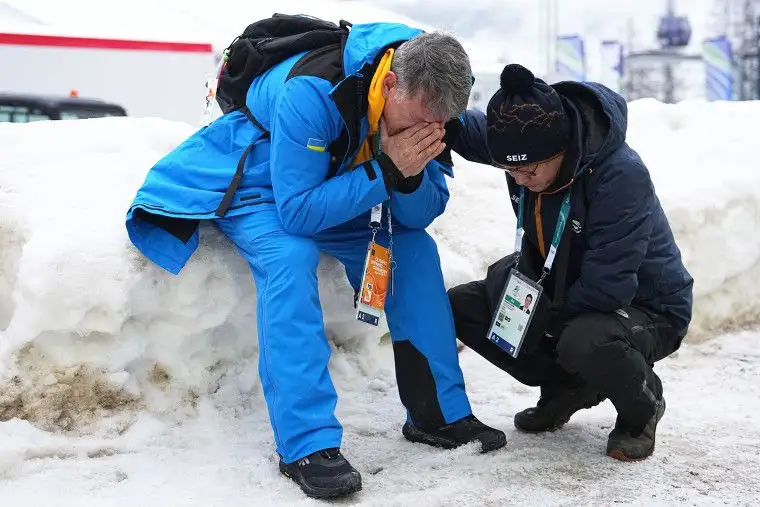
Ukraine's Deputy Minister of Youth and Sports, Matvii Bidnyi, stated that 650 Ukrainian athletes and coaches have been killed and 800 sports facilities damaged in the war. Heraskevych's father and coach, Mykhailo Heraskevych, was reportedly distressed by the decision, calling it "a moment of shame."
IOC's Position and Athlete Expression
The IOC's stance centered on the interpretation of its rules regarding athlete expression. The committee argued that Heraskevych's helmet, regardless of intent, could be seen as a prohibited demonstration.
Guideline Enforcement: The IOC stated that Heraskevych was "not allowed to participate… after refusing to adhere to the IOC athlete expression guidelines."
Past Rulings: Reports suggest the IOC has sided with athletes in similar situations previously, though specifics are not detailed.
Alternative Grief Support: The IOC pointed to provisions like multifaith centers and places of mourning within the Olympic Village as avenues for athletes to express grief.
Refusal of Compromise: The IOC stated that despite exchanges and meetings, Heraskevych "would not consider any form of compromise."
Ukrainian Response and Appeals
Ukraine's Olympic Committee and government officials have voiced their disagreement with the IOC's decision.
Support for Heraskevych: The Ukrainian Olympic Committee backed Heraskevych throughout the process and stated they do not plan to boycott the games.
Accusations of Intimidation: Ukraine accused the IOC of intimidation and lecturing their athletes, suggesting a failure to address Russia's role in international sports.
Appeal Plans: Heraskevych's team announced plans to appeal the ruling at the Court of Arbitration for Sport (CAS).
Presidential Backing: Ukrainian President Volodymyr Zelenskyy publicly supported Heraskevych on social media prior to the disqualification.
Conflicting Perspectives on Rule Application
The core of the dispute lies in how Rule 50 is applied. While the IOC maintains its strict interpretation, Ukrainian officials and some observers see an inconsistency.
| Viewpoint | Rationale |
|---|---|
| IOC Interpretation | Helmet imagery is a political statement, violating rules against demonstrations at Olympic sites. |
| Ukrainian Athlete/Officials' View | Helmet is a tribute to fallen athletes, not a political slogan; emphasizes inconsistency in IOC rulings. |
| External Observer (e.g., Lizzy Yarnold) | IOC owes Heraskevych an apology for the disqualification. |
Expert Analysis
The incident highlights ongoing tensions between national sentiments and the IOC's mandate for neutrality during the Games.
"The IOC has also systemically failed to confront the greatest abuser of international sports and the Olympic Charter — Russia." - Ukrainian Olympic Committee statement (via rferl.org)
IOC President Kirsty Coventry, a former Olympic champion swimmer, was reportedly emotional during her interactions with Heraskevych, indicating a desire for a different outcome but ultimately upholding the IOC's decision.
Read More: 22 Civilians Killed in Russian Missile Attack on April 7 2026
Findings and Implications
The disqualification of Vladyslav Heraskevych presents a significant moment for athlete expression within the Olympic framework. The case underscores the challenges of balancing national identity and tributes during international sporting events governed by strict neutrality rules.
Disputed Interpretation: The central issue remains the interpretation of "political statement" in the context of war and remembrance.
Appeal Process: The outcome of the appeal at the Court of Arbitration for Sport will be crucial in setting a precedent.
Athlete Morale: Such decisions can impact athlete morale and the broader perception of fairness within the Olympic movement.
IOC Accountability: The IOC faces scrutiny over its consistency in applying Rule 50, particularly given the ongoing geopolitical context.
Future Rule Application: This incident may prompt further discussions and potential revisions to athlete expression guidelines.
Sources:
RFE/RL: https://www.rferl.org/a/ukrainian-skeleton-athlete-vladyslav-heraskevych-disqualified-from-olympics-over-helmet/33675935.html
NBC News: https://www.nbcnews.com/sports/olympics/ukraine-vladyslav-heraskevych-disqualified-winter-olympics-helmet-war-rcna258696
Euronews: https://www.euronews.com/2026/02/12/ukrainian-olympian-disqualified-for-helmet-honouring-war-fallen-athletes
The Independent: https://www.independent.co.uk/sport/winter-olympics/ukrainian-banned-helmet-skeleton-vladyslav-heraskevych-b2918413.html
Sky News: https://news.sky.com/story/ukrainian-olympian-banned-from-competing-over-helmet-honouring-war-dead-13506639
DW: https://www.dw.com/en/winter-olympics-ukrainian-athlete-disqualified-over-helmet/a-75925019
NBC Olympics: https://www.nbcolympics.com/news/ukraine-skeleton-racer-vladyslav-heraskevych-disqualified-over-helmet-remembrance
NBC Washington: https://www.nbcwashington.com/olympics/2026-milan-cortina/ukrainian-athlete-out-winter-olympics-over-banned-helmet/4059118/