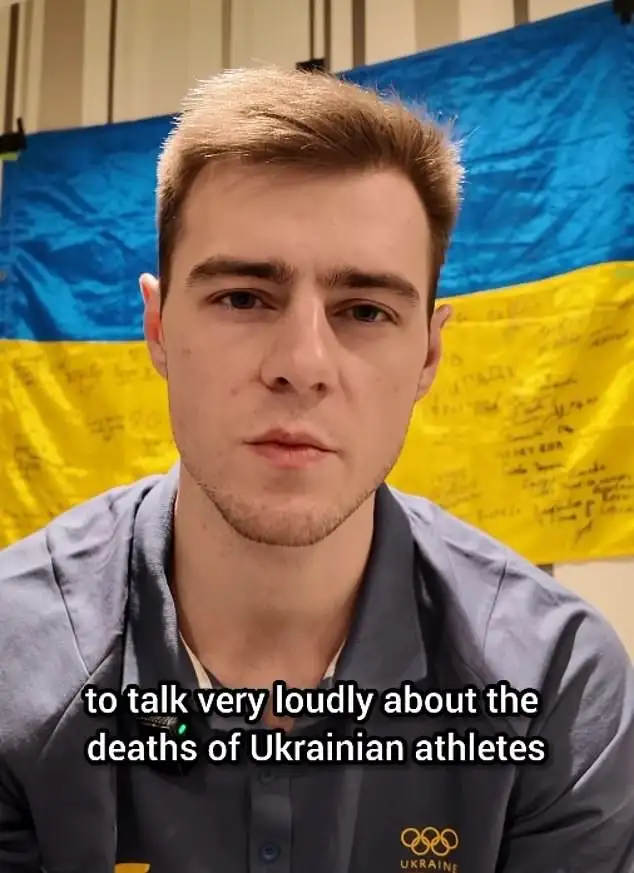
A Ukrainian athlete has been prevented from competing in the Winter Olympics after he insisted on wearing a helmet that displayed images of fellow athletes killed during Russia's invasion of his country. The International Olympic Committee (IOC) reportedly offered alternatives, but the athlete, Vladyslav Heraskevych, refused to change his helmet. This situation has led to his exclusion from the Games.
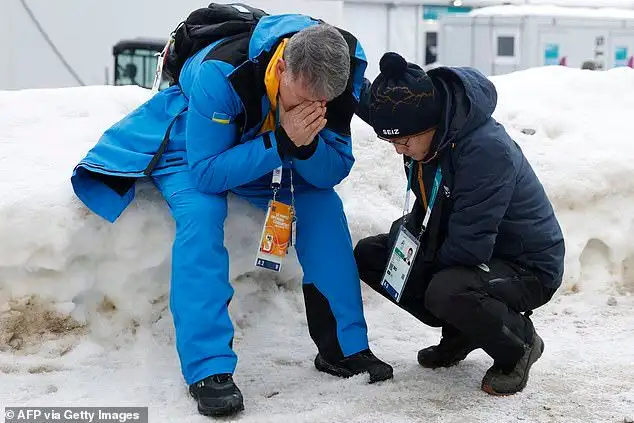
Athlete's Stand Amidst International Scrutiny
Vladyslav Heraskevych, a skeleton racer for Ukraine, aimed to use his platform at the Milan Cortina Games to draw attention to the ongoing conflict in his homeland. He stated that his helmet was not intended as a political statement but as a tribute to fallen compatriots, some of whom were his friends.
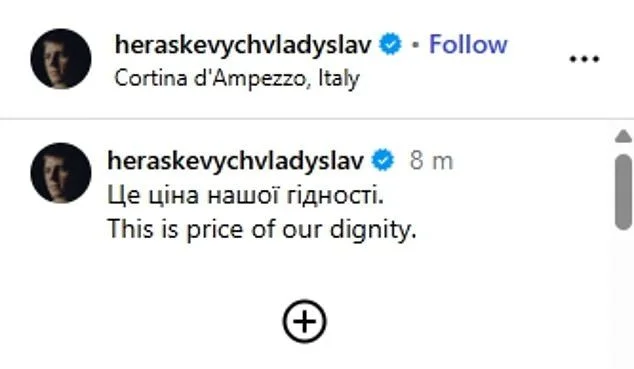
Heraskevych wore the helmet during training sessions on Tuesday and Wednesday.
He was aware of the potential consequences of his decision, including possible disqualification.
Ukraine's Olympic Committee officially requested permission from the IOC for Heraskevych to wear the "helmet of remembrance."
IOC's Response and Athlete's Exclusion
The International Olympic Committee (IOC) contacted Ukraine's Olympic committee regarding the helmet. Despite reported attempts by IOC president Kirsty Coventry to resolve the situation, Heraskevych maintained his stance. Ultimately, his accreditation was revoked, leading to his departure from the Olympic Games.
Read More: FIFA World Cup 2026 Revenue Reaches $15 Billion With New Ticket Prices
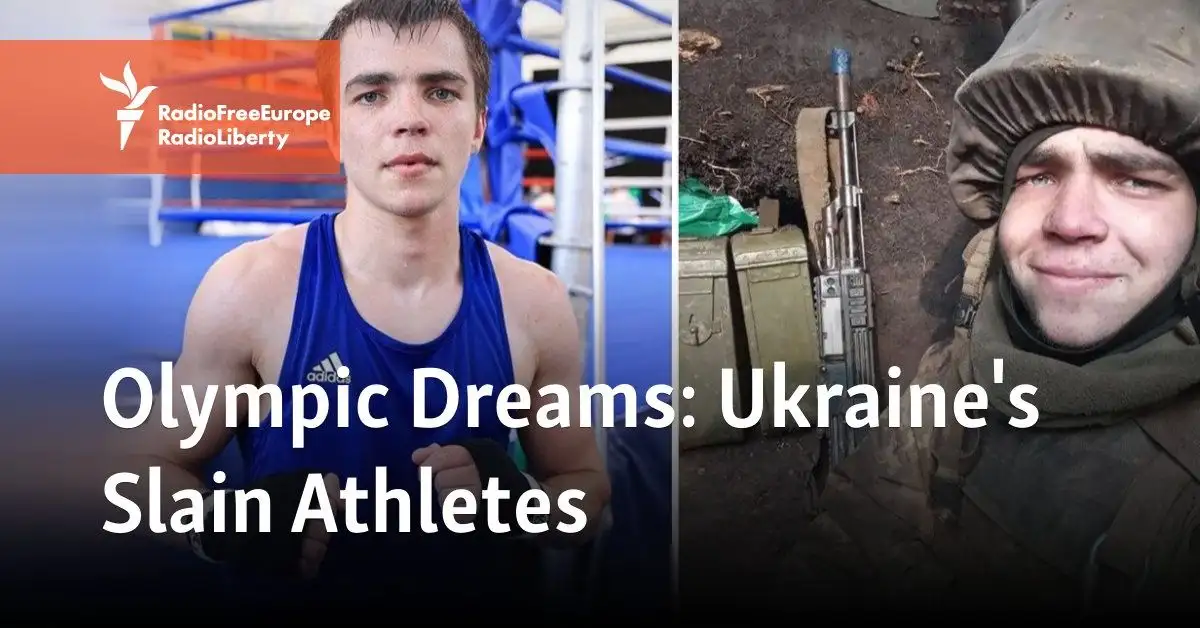
"I will not get my Olympic moment. I think the IOC owe him an apology." - Reported statement regarding Heraskevych's situation.
"Our intelligent people have been killed." - Statement attributed to Heraskevych regarding the war.
The core issue revolves around the IOC's regulations concerning political or commercial statements at the Games, and the athlete's assertion of honoring fallen compatriots.

A Pattern of Athletic Expression Amidst Conflict
This incident is not the first time Ukrainian athletes have used their Olympic participation to highlight the war with Russia.
Olga Kharlan at the Paris Olympics dedicated a medal to athletes killed by Russia, facing near-exclusion herself due to her stance on the invasion.
Other Ukrainian athletes at the Paris Games aimed to showcase their country's strength and resilience.
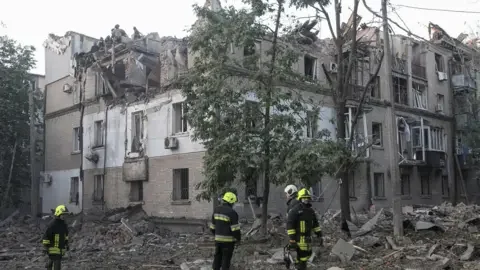
Reports indicate that hundreds of Ukrainian sportsmen and women have been killed since the full-scale Russian invasion.
Ukrainian athletes competing in Paris have spoken about the profound grief and pain of the past few years, influencing their performances.
Heraskevych's Prior Actions and Statements
Heraskevych has previously used his Olympic presence to protest Russia's actions. He expressed confidence that he had not violated any rules and was not overly concerned about potential sanctions.
He stated, "I will wear it tomorrow and I will wear it for the race day."
He indicated that his decision was driven by the belief that "Some things are more important than sports."
He mentioned that the IOC had cleared Russian and Belarusian athletes to participate as Individual Neutral Athletes.
Images of the Fallen
The helmet displayed images of several young athletes, including:
Alina Perehudova, a teenage weightlifter.
Pavlo Ischenko, a boxer.
Oleksiy Loginov, an ice hockey player.
Ivan Kononenko, an actor and athlete.
Mykyta Kozubenko, a diving athlete and coach.
Oleksiy Habarov, a shooter.
Daria Kurdel, a dancer.
Expert Analysis
Reports suggest that the IOC has previously sided with Heraskevych. The decision to exclude him now has prompted questions about the committee's consistency in handling such matters. The IOC's rules typically aim to prevent political statements during the Games. However, the line between expressing solidarity and making a political statement can be a point of contention, especially in the context of an ongoing international conflict.
Read More: 22 Civilians Killed in Russian Missile Attack on April 7 2026
Conclusion and Implications
The exclusion of Vladyslav Heraskevych from the Winter Olympics highlights the complex intersection of sport, national identity, and international conflict. While the IOC adheres to rules against political displays, Heraskevych's action was framed as a personal tribute to those lost. This incident raises questions about the interpretation and enforcement of Olympic regulations, particularly when events on the global stage mirror or are influenced by significant geopolitical conflicts. The situation underscores the emotional weight carried by athletes from nations experiencing war, and their desire to use sporting events to honor victims and maintain awareness.
Sources:
Article 1: https://www.dailymail.co.uk/sport/winterolympics/article-15552655/Ukrainian-helmet-Winter-Olympics-Milan-Cortina-Vladyslav-Heraskevych-disqualify.html
Article 3: https://www.usatoday.com/story/sports/olympics/2026/02/12/ukraine-war-helmet-ban-ioc/88638862007/
Article 4: https://www.cnn.com/2026/02/10/sport/heraskevych-ukraine-helmet-olympics-ban
Article 5: https://www.theguardian.com/sport/2026/feb/09/ukraine-vladyslav-heraskevych-displays-images-athletes-killed-in-war-helmet-winter-olympics
Article 6: https://www.rferl.org/a/ukraine-athletes-killed-olympics-russia-invasion/33038648.html
Article 7: https://www.atlanticcouncil.org/blogs/ukrainealert/paris-olympics-ukrainian-dedicates-medal-to-athletes-killed-by-russia/
Article 8: https://www.npr.org/2024/08/06/nx-s1-5065453/ukraine-athletes-paris-olympics-russia
Article 9: https://www.cnn.com/2024/07/01/sport/ukraine-athletes-paris-olympics-spt-intl