London, UK - The sheer deluge of discarded electronic cigarettes, numbering over six million units weekly, is severely straining Britain's recycling infrastructure and igniting a worrying spate of fires. This persistent problem occurs even as a ban on single-use vapes, implemented in June last year, continues to be circumvented by the ongoing disposal of these devices.

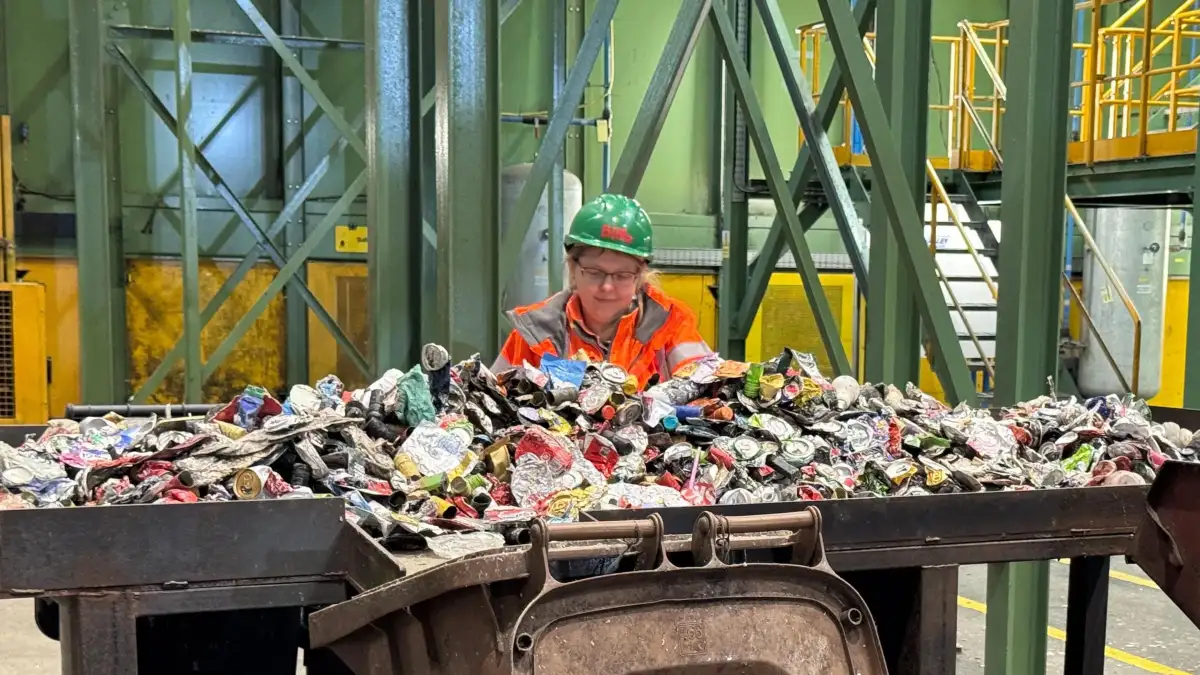
The core of the issue lies in the unmanageable volume of vapes being thrown away, coupled with the inherent dangers of their hidden lithium-ion batteries. Waste management firms report being inundated with these items, often finding thousands mixed in with general recycling each month. These batteries, when crushed or damaged within waste streams, are a potent ignition source.
Fires Blaze as Batteries Mishandled
Fires linked to improperly discarded vape batteries have become a significant concern. Recycling facilities have had to retrieve thousands of vapes monthly, and fire services have documented instances of bin lorries catching fire due to the presence of these batteries in household waste. Such incidents pose a tangible risk to lives and livelihoods, highlighting a critical disconnect in disposal practices. A spokesperson for a local council noted that bin lorries have been destroyed in the West Midlands region as a direct consequence of lithium batteries entering the waste stream.
Read More: Amazon Land Use Changes Cause Disease Clusters in Brazil

Recycling Systems Under Siege
The constant influx of vapes is presenting an escalating challenge for waste management operations. Beyond the immediate fire risk, the complex composition of these devices, including plastics, metals, and batteries, complicates standard recycling processes. Companies are spending considerable sums dealing with this specific waste stream.

"The incorrect disposal of vapes, in general and recycling waste, is an issue that is costing the waste industry millions of pounds and threatening livelihoods and lives."
Call for Clearer Pathways
Calls are mounting for improved public awareness regarding the correct disposal of vapes. There is a growing consensus that vape producers and importers should shoulder the responsibility for the costs associated with recycling these products, a move that could incentivize better product design and end-of-life solutions.
Recommendations include:
Clearer recycling instructions printed directly on vape packaging.
Highly visible in-store collection points where vapes can be returned.
Establishing nationwide vape collection and recycling services.
While a specific registry for lithium battery-related fires in England and Wales does not exist, the sheer volume of waste generated by vapes suggests a persistent and growing problem that demands urgent attention. The ban on single-use vapes has not eradicated the issue, with an estimated 2.2 million single-use models still being purchased weekly, contributing to the more than one billion vapes reportedly discarded over the last four years. The market's shift towards rechargeable models, while intended to be more sustainable, has not fundamentally altered the waste disposal crisis.
Read More: Tess Daly wears wedding ring in London after split from Vernon Kay