HUMAN MERCURY FOOTPRINT PREDATES EARLIER BELIEFS, ANCIENT HORSE USE IMPLICATIONS LOOM
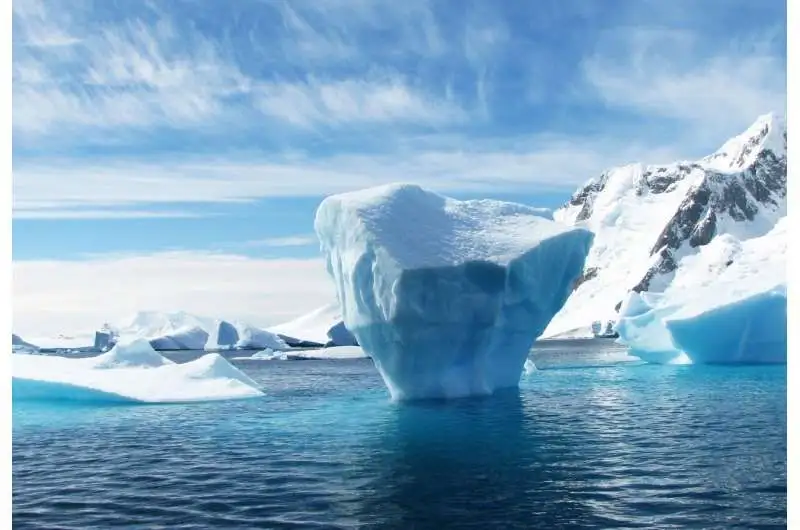
Recent analyses of a Greenland ice core reveal that human impact on mercury levels stretches back 12,000 years, a finding that significantly shifts the timeline of environmental human influence. This discovery, emerging from data spanning millennia, suggests our species’ footprint on planetary chemistry is far older than commonly understood.
Further investigations are surfacing, questioning the long-held narratives of Eurasian history. The timing and intensity of early horse domestication and riding are now under scrutiny, with potential implications for societal development and movement across the continent. While details remain fluid, this re-examination suggests that our understanding of ancient migrations and cultural exchanges may require substantial revision.
DOGS AND BREEDING: A BREATH OF FRESH AIR?
In parallel, attention is turning to the health of domestic animals. Researchers have dissected data from over 4,000 dogs—specifically bulldogs, French bulldogs, and pugs—to dissect a common respiratory ailment known as brachycephalic obstructive airway syndrome. The study identifies a genetic link between nostril shape and breathing efficiency, indicating that respiratory function possesses a moderate degree of heritability.
Read More: Amazon Land Use Changes Cause Disease Clusters in Brazil
This implies that thoughtful, selective breeding practices could alleviate the breathing difficulties plaguing these breeds. The research team advocates for breeders to adopt tools like the Respiratory Function Grading Scheme. This, they argue, will help identify healthier parent stock and prioritize functional traits over purely aesthetic ones.
REGULATORY SHIFTS AND SPACE EXPLORATION MARK 2026 CALENDAR
The current year, 2026, is shaping up as a period of notable shifts in scientific governance and ambitious exploration. A significant development highlighted by Live Science indicates that certain gene therapies may no longer necessitate lengthy clinical trials, owing to a new Food and Drug Administration (FDA) ruling. This regulatory adjustment suggests a potentially accelerated path for novel medical interventions.
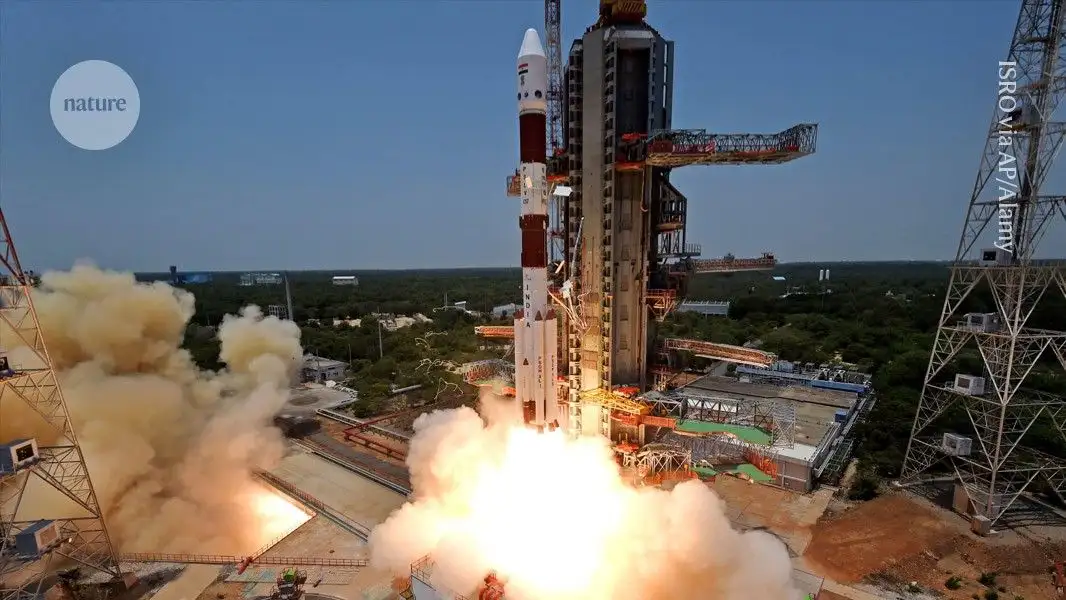
Meanwhile, the cosmos beckons with renewed vigor. Scientists are tracking the approach of a blue-whale-size asteroid poised for a close flyby of Earth, an event scheduled for viewing. Concurrently, discussions around reducing transit times to Mars are gaining traction, hinting at ongoing advancements in interplanetary travel.
Read More: St. Augustine's ideas on justice help explain US politics
SCIENCE'S BROADER HORIZONS
Elsewhere, a flurry of disparate scientific findings are emerging. Reports touch upon the potential benefits of caffeine for brain cell health, while a European cardiology report flags dietary concerns related to specific food consumption patterns. Wood smoke's environmental contribution is also under review.
Further compounding the year's scientific discourse are questions surrounding infection transmission, the intricacies of pregnancy, and even the surprising origins of novel materials, such as an 'alien' crystal apparently spawned by the first nuclear bomb detonation. The ancient world, too, yields fresh insights, with evidence suggesting Neanderthals may have practiced dentistry.
BACKGROUND AND CONTEXT
The "Science Snapshots" article from The Hindu, published on May 17, 2026, consolidates these disparate findings. Live Science's archival content from May 1, 2026, points to regulatory changes and varied scientific news items. Nature's preview of 2026 events, dated December 18, 2025, sets a broader context for the year's anticipated scientific landscape. Low-priority status is assigned to a Wikipedia entry on 2026 in science and a brief ScienceShots update from April 7, 2026. Daily breaking science news from ScienceDaily continues to be published.
Read More: Kanyakumari Atomic Mining Permit Extended for 1144 Hectares in 2026