Spectacle and Spiritual Undercurrents Define Laamb
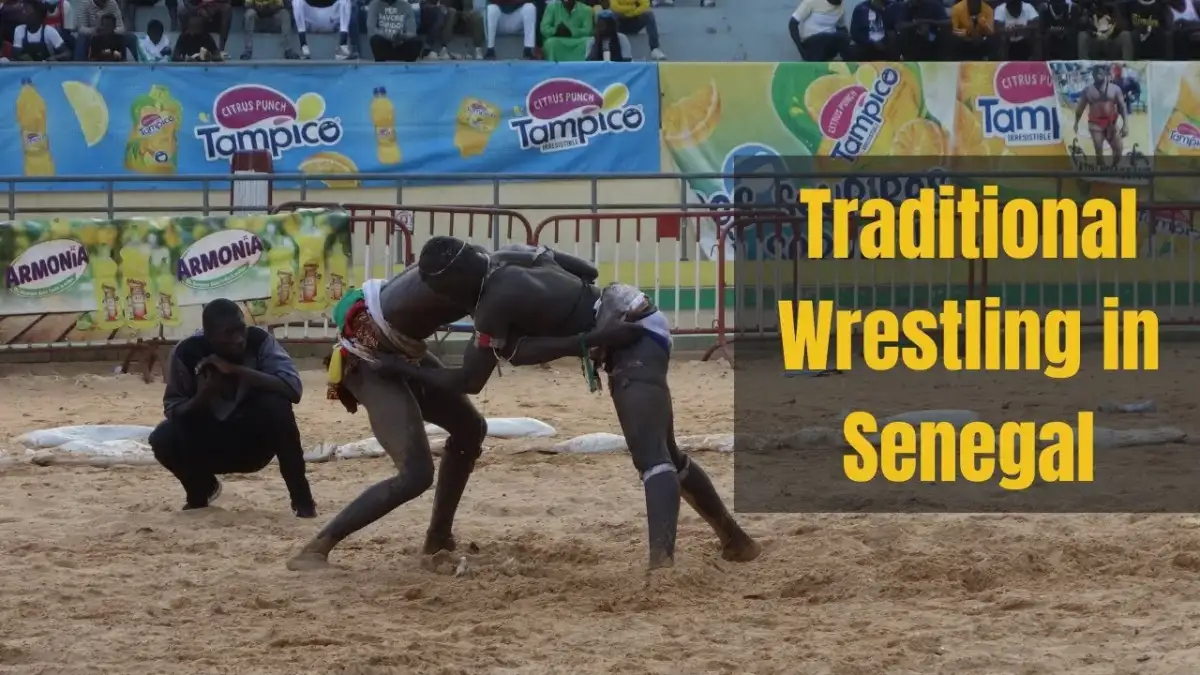
Senegalese wrestling, known locally as laamb, transcends mere athletic contest, weaving together elaborate rituals, spiritual undertones, and the pursuit of social mobility. The sport, a national pastime with deep roots in village life, has evolved into a stadium spectacle in Dakar, attracting widespread attention for its unique blend of tradition and modernity. For young men like Omar, 22, the arena offers a potent pathway to wealth and fame, though financial stability remains an elusive dream for many. The visual fabric of laamb is as striking as its physicality, characterized by intricate costumes, the use of protective charms, and pre-bout ceremonies that underscore its cultural weight.
From Rural Roots to Urban Arenas
The transformation of laamb from its humble village origins to a professional sport with sponsors and prize money marks a significant shift. This evolution is mirrored in Dakar's broader cultural landscape, where a burgeoning arts scene, encompassing music, film, and fashion, grapples with and celebrates its own traditions while engaging with global influences. Photographer Kévin Félicianne has been documenting this urban transformation, capturing how the aspirations of youth intersect with the enduring spirit of the capital.
Read More: FIFA World Cup 2026 Revenue Reaches $15 Billion With New Ticket Prices

Cultural Identity and Aspirations
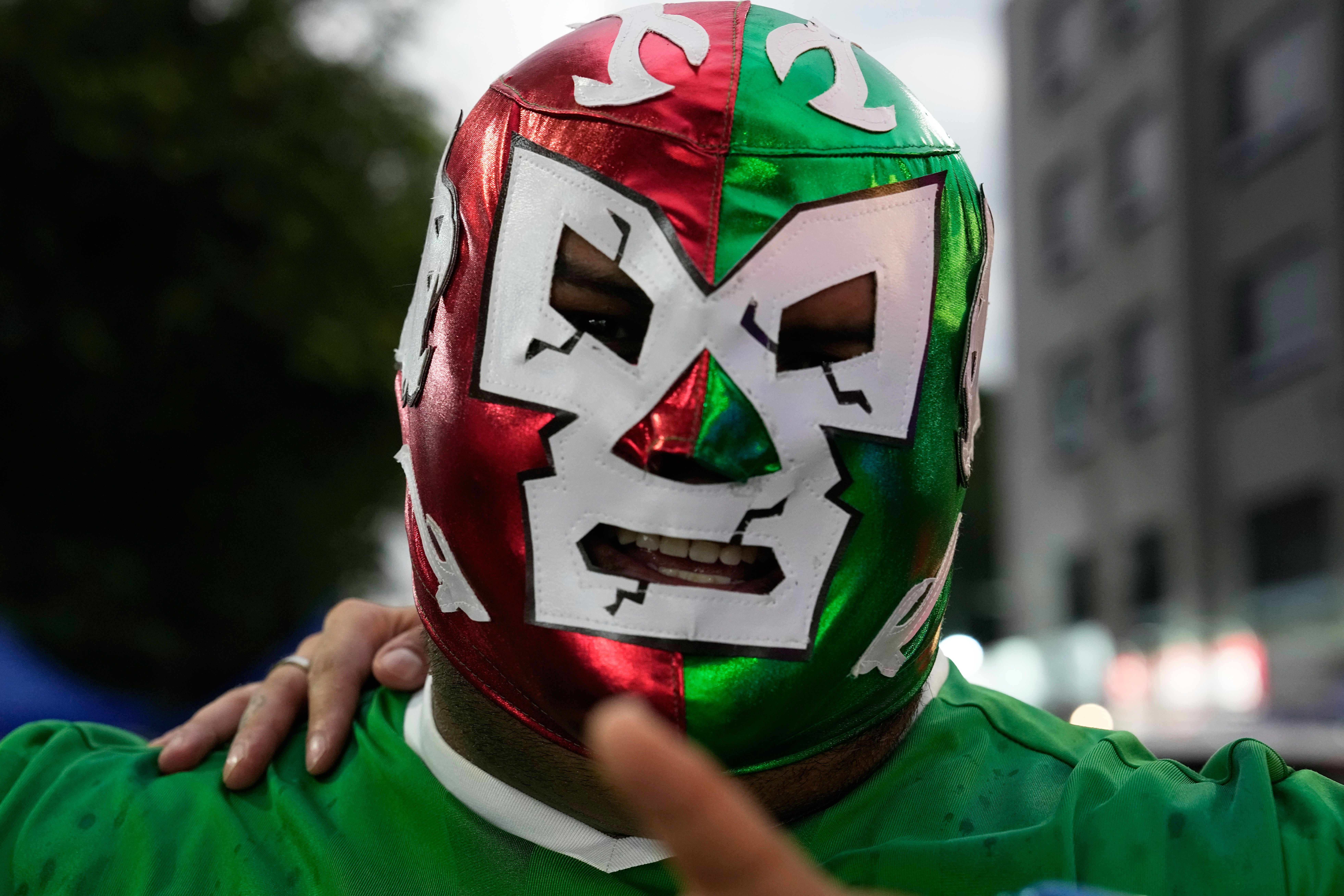
Laamb serves as a cultural beacon, a living embodiment of communal identity deeply interwoven with folklore, religious beliefs, and expressions of national pride. Its status as a national sport is elevated by the fervent support of fans who travel from across the region, unfurling banners and roaring their allegiance to their favored wrestlers. This elevated social standing, once perhaps underestimated, now allows some wrestlers to achieve significant financial success, drawing parallels to globally recognized combat sports like Japanese Sumo or Mexican Lucha Libre.
Financial Realities and Ambitions
Despite the allure of fame and fortune, the path for many wrestlers is fraught with financial challenges. The pursuit of a professional career often leads aspiring athletes to Dakar, the epicenter of the sport's economic potential. While laamb has become a viable career choice for some, attracting significant fan engagement and commercial interest, the promise of lucrative rewards often requires venturing abroad for wider opportunities. The sport’s rules, while occasionally surprising, allow for direct confrontation, including the use of punches, adding to its raw intensity.
Read More: Why the New Atheism movement lost public influence by April 2026