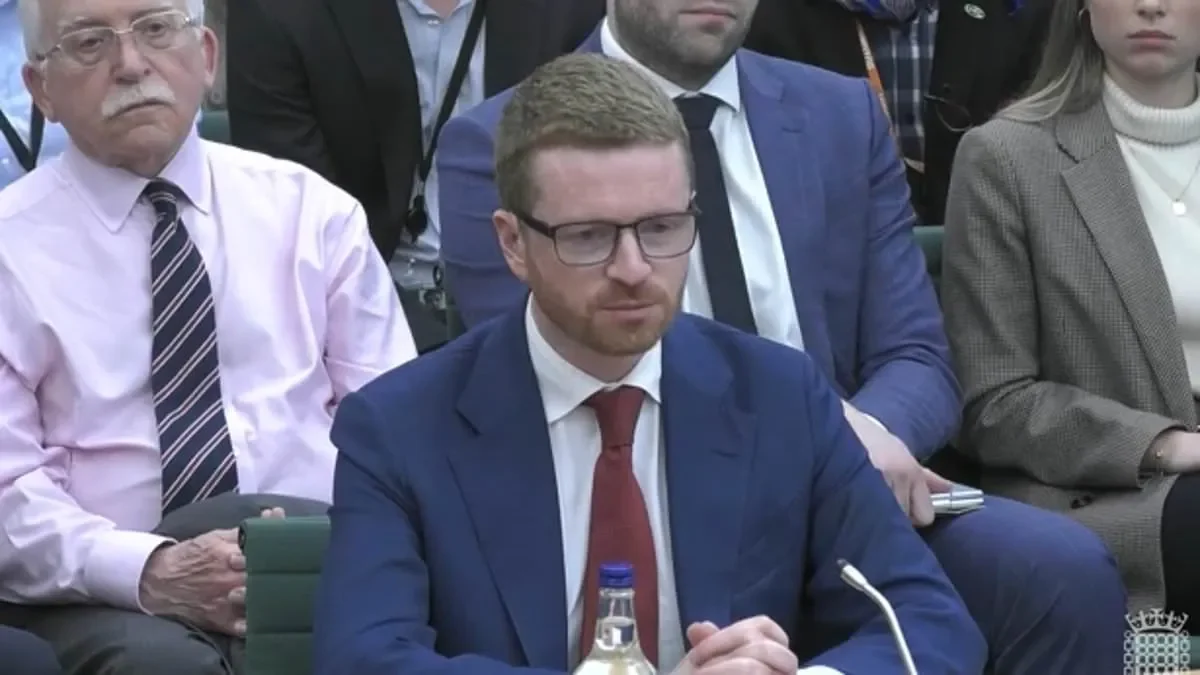
Business leaders have voiced significant alarm over the escalating political turmoil in Westminster, warning that the ongoing 'psychodrama' and uncertainty surrounding leadership is actively jeopardizing investment decisions and tarnishing the UK's global standing. Reports indicate that finance chiefs and chief executives of major companies are dismayed by what they perceive as a governmental preoccupation with internal strife, diverting attention from critical policy delivery. This internal focus, they contend, is directly fueling market uncertainty, with immediate repercussions observed in financial markets.

Market Turmoil and Economic Jitters
The immediate fallout from the political machinations has been palpable in the financial arena. The pound has tumbled, and the cost of government debt, known as gilt yields, has soared, with economists predicting continued pressure throughout a potential leadership contest. Analysts warn that foreign investors, crucial to the gilt market, may be dissuled by any perception of unsustainable fiscal dynamics. There are also concerns that a prolonged leadership contest could lead to a "lurch to the left" within the Labour party, further driving up borrowing costs and potentially making mortgages more expensive for millions. Economists have cautioned that Britain's substantial national debt already constrains a new prime minister's options, making further tax increases a more likely scenario.
Read More: Taiwan Holds Nantou County Drills to Prepare for State Collapse

Criticism of Political Focus
Several high-profile business figures have publicly criticized the current political climate, with one FTSE 100 chief executive stating that the government has been "myopically focused on its own infighting and scandals, rather than focusing on the long-awaited action it should be delivering." This sentiment was echoed by Brian Duffy, who urged the "party in charge to stop fighting among themselves… and to get on with delivering what they set out in their manifesto." Sir William Sargent, chair of visual effects company Framestore, a signatory of a letter supporting Labour, expressed his dismay at the situation. The criticism extends to perceptions that politics has devolved into an internal "game" within the "Westminster village," detached from public interest, as noted by a former Labour insider.

Leadership Speculation and Potential Contenders
Amidst this backdrop, speculation over the future of Prime Minister Sir Keir Starmer has intensified. Reports suggest that Health Secretary Wes Streeting is considering a resignation, with some of his supporters having already stepped down, calling for Starmer's exit. However, the exact number of MPs seeking Starmer's departure remains unclear. Notably, Andy Burnham, the Greater Manchester mayor, has indicated an intention to run for Labour in Makerfield, should Labour MP Josh Simons resign to make way for him. This move has been met with sharp criticism from some quarters, including Shadow Chancellor Sir Mel Stride, who claimed Burnham "doesn't understand how the economy works." It is important to note that any candidate in a Labour leadership contest would need to be a sitting Member of Parliament. Ed Miliband has also been mentioned as a potential contender, reportedly still popular with party members despite a previous unsuccessful bid for leadership.
Read More: FBI Analysts Review Georgia 2020 Election Data in Fulton County
Read More: Tess Daly wears wedding ring in London after split from Vernon Kay

Broader Economic Concerns
Beyond immediate political instability, the UK faces wider economic challenges. The Treasury foresees a "very difficult Budget" later this year, despite vows to cut the cost of living. Inflationary pressures are also a concern, exacerbated by turmoil in the Middle East. Government spending on public services, such as transport, is facing reductions, leading to "hard choices and unavoidable trade-offs," according to Foreign Secretary Yvette Cooper. There is also ongoing discussion regarding potential reforms to social security benefits and the lingering complexities of planning reform.