Voters worldwide are adrift in a sea of unmet expectations, a phenomenon fueled by a widening chasm between what citizens demand and what political structures can actually provide. This disconnect, observed across diverse leadership styles and nations, suggests a systemic issue where rising public hopes consistently outpace governmental capacity. New communications technologies, critics note, may be amplifying these frustrations, making them more visible and politically explosive. The resultant public unease makes countries increasingly arduous to steer.
This widespread sentiment of governmental failure is not a new observation, yet its pervasiveness today points to a recurring pattern. People, irrespective of their leaders' political leanings, tend to perceive their incumbent administrations as the root of the problem. This could stem from a core idea: political instability becomes almost inevitable when citizen expectations spiral beyond their government's ability to satisfy them.
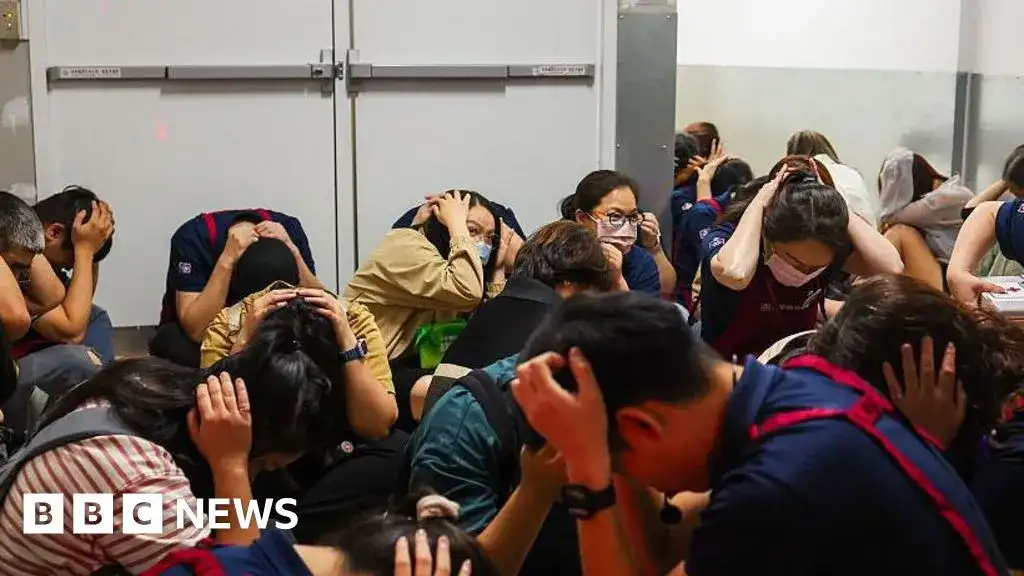
Read More: Taiwan Holds Nantou County Drills to Prepare for State Collapse
The Promise-Delivery Dilemma
Politicians, a recent analysis suggests, frequently make pledges that they either cannot or will not fulfill. While rational voters might grasp the inherent impossibility of certain campaign promises, a segment of the electorate, termed credulous voters, appears to readily accept these claims. Yet, even these unrealistic promises can serve a purpose, offering insights into the populace's deeper desires, particularly on contentious policy matters.
Domestic Disquiet: Britain's Political Fractures
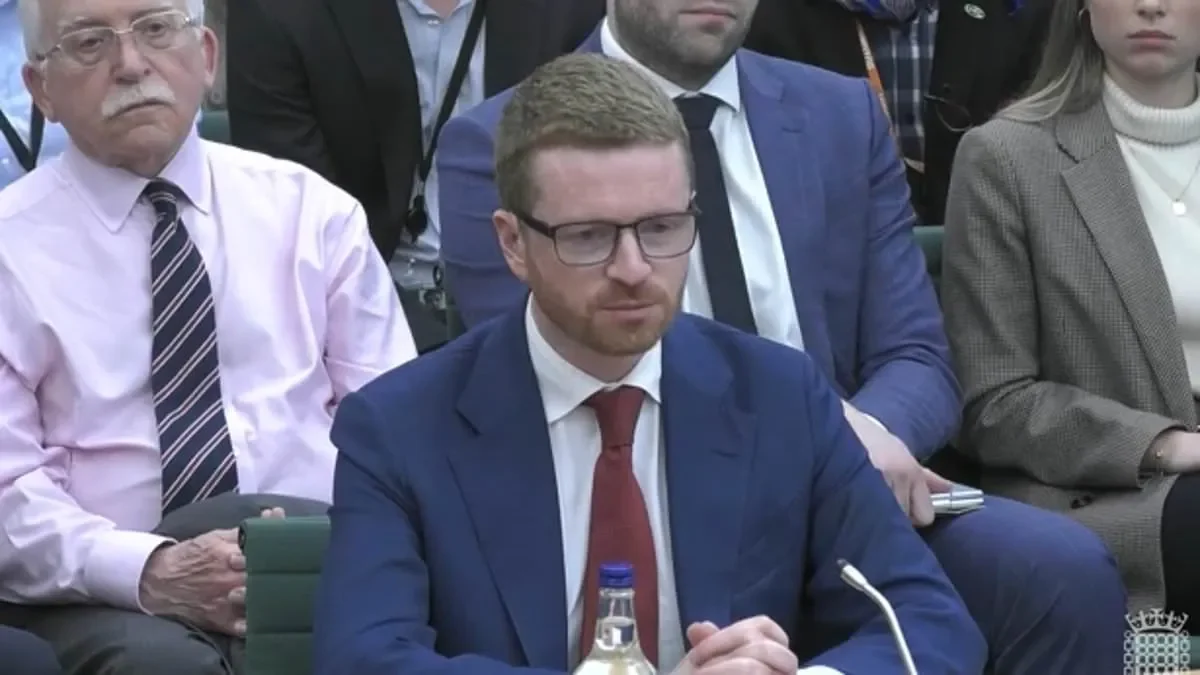
In Britain, this discontent is manifesting as a clear revolt against the established order. Sir Keir, despite asserting his continued leadership of the Labour party, faces a perception problem. Observers note that even if he intends to fight the next election, the public isn't seeing the change he speaks of. Concerns have been voiced that he has become an electoral liability, with some suggesting that a more popular figure, like Manchester mayor Andy Burnham, might be a more effective electoral asset than the current leader. This internal debate within the Labour party highlights the tension between maintaining stability and responding to the perceived mandate for change.
Read More: Tess Daly wears wedding ring in London after split from Vernon Kay