PRESSURE MOUNTS ON STARMER AS MPs DIVIDE
Sir Keir Starmer's leadership faces mounting pressure, with significant numbers of his own MPs reportedly calling for his resignation following recent election results. The unfolding internal strife within the Labour Party occurs while the public grapples with ongoing economic hardships, drawing sharp criticism that Westminster insiders are disconnected from real-world suffering.
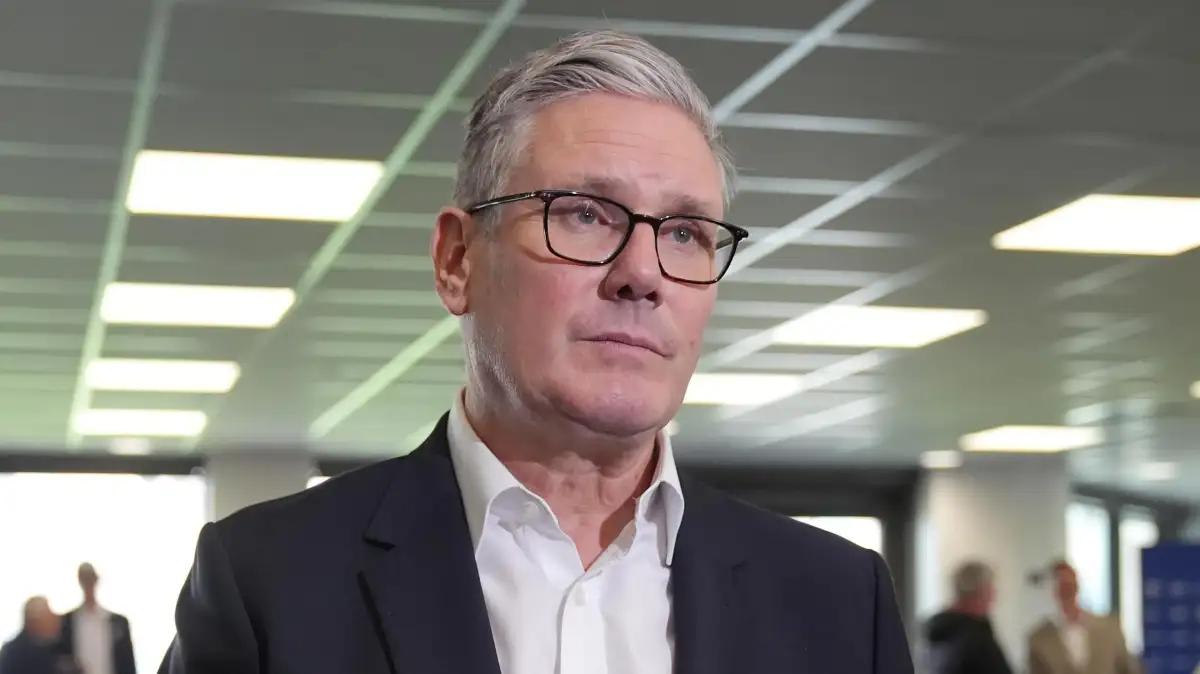
Reports indicate a growing faction within Labour is actively discussing triggering a leadership challenge. This comes after a series of poor electoral showings, including significant defeats in recent local and devolved assembly elections. The disquiet appears to be intensifying, with suggestions that the upcoming Budget and the fallout from these elections could serve as direct triggers for a formal challenge.
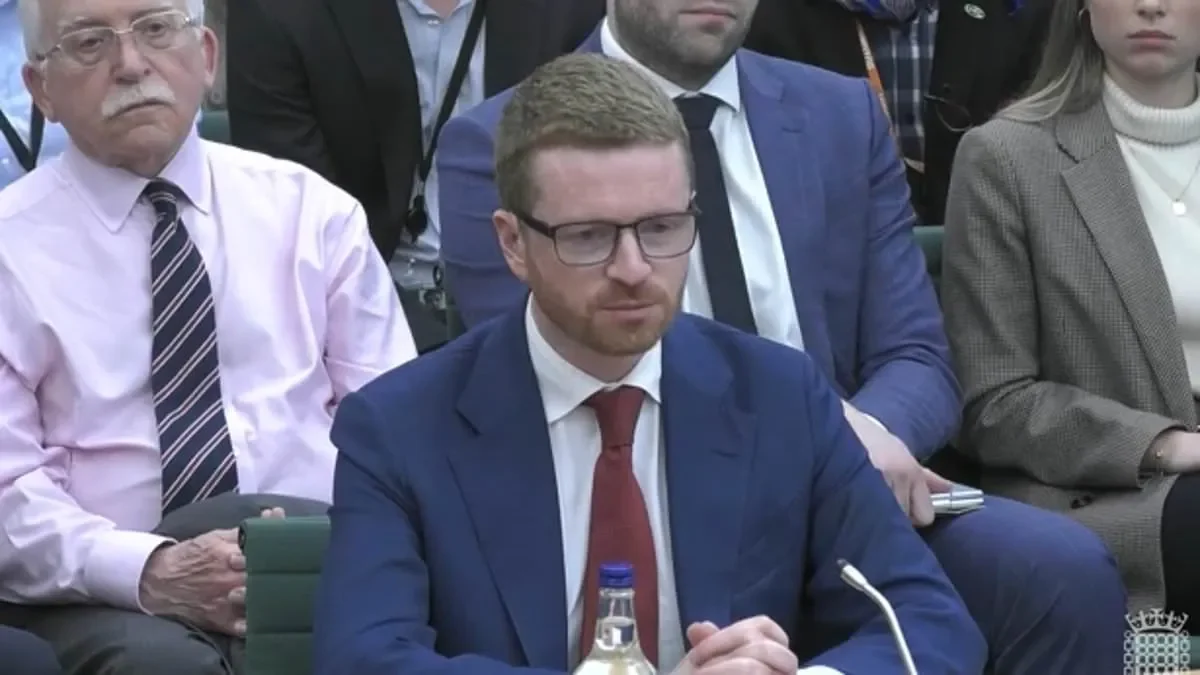
MP discontent seems to be crystallizing around potential successors, with Wes Streeting named as a prominent figure possibly poised to bid for the leadership. While some loyalists maintain Starmer will contest any challenge, and that Labour membership would ultimately decide, the ground appears to be shifting. Streeting himself has offered public backing to Starmer while not explicitly ruling out a leadership bid.
Read More: Taiwan Holds Nantou County Drills to Prepare for State Collapse

"While MPs are squabbling over parts of their leadership process, people in the real world are struggling to survive."
The situation has led to stark comparisons between the Labour leadership's internal machinations and the immediate needs of the electorate. Critics argue the party is prioritizing internal processes over addressing the "inaction" affecting ordinary working people. This sentiment is echoed by observations that the party appears to have "lost sight of the fact that while they are working through their party process for removing their leader, ordinary working people are suffering."

THE 'WESTMINSTER BUBBLE' CRITIQUE
A persistent critique from various corners is the perception that Labour MPs are ensconced within a "Westminster Bubble," detached from the concerns of the general populace. This detachment is highlighted as a critical failing, especially when contrasted with the palpable struggles faced by citizens. The emphasis on internal party politics, such as leadership reviews and potential contests, is seen by some as an exacerbation of this disconnect.
Read More: Tess Daly wears wedding ring in London after split from Vernon Kay
"I also despair at the Labour MPs who seem firmly in the Westminster Bubble."
LEADERSHIP INSTABILITY AND EXTERNAL OBSERVATION
The internal Labour turbulence has not gone unnoticed by Buckingham Palace, with reports indicating a desire for the King to remain removed from the political fray. The ongoing uncertainty around Starmer's position has also led to speculation about the very nature of modern prime ministership, with questions raised about the competence required to navigate contemporary political landscapes and the challenges of implementing long-term promises.
"It is not just Starmer," Baroness Chapman reportedly stated, with Mr. Jones of Sky News adding, "I'm not going to get ahead of any decision that the Prime Minister may or may not take."
The ongoing leadership anxieties are occurring against a backdrop of significant economic concerns. Suggestions have been made that the party is not effectively communicating a compelling economic narrative to the public, further fueling the internal debate about Starmer's fitness to lead into the next general election. Some loyalists have characterized the challenges to Starmer as stemming from a mix of "braggadocio, desperation and narked fury."