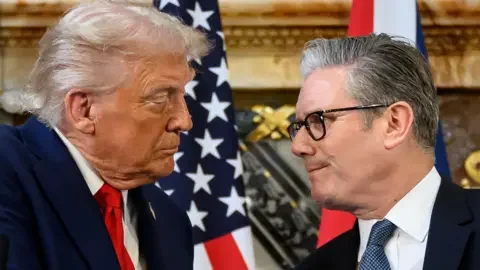
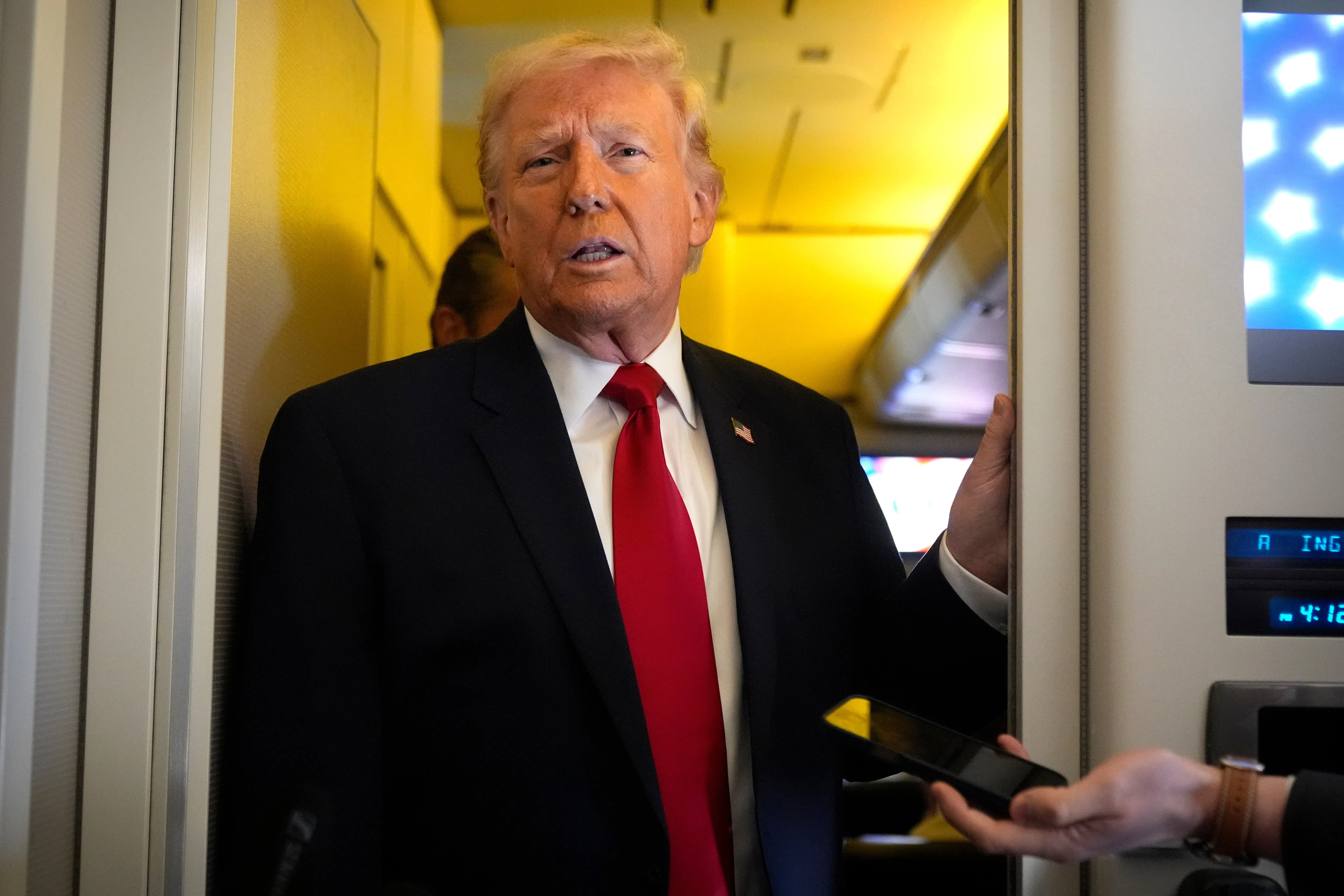
The British government, led by Prime Minister Sir Keir Starmer, has officially resisted US pressure to join initial offensive military actions against Iran. While Donald Trump has voiced public frustration over the refusal to open British bases for the opening wave of the assault, the UK has since sanctioned the use of domestic and regional facilities for specific defensive operations against missile installations.

The British government has explicitly rejected the 'outsourcing' of national foreign policy to external powers, citing the necessity of evaluating individual conflict dynamics against domestic legal and strategic standards.
| Action Point | UK Stance |
|---|---|
| Initial Strikes | Declined participation; cited potential legal concerns. |
| Defensive Cooperation | Permitted use of bases for targeting Iranian missile sites. |
| Naval Presence | HMS Prince of Wales on high alert; deployment unconfirmed. |
| Repatriation | Third charter flight from Muscat departing Sunday. |
Operational Friction and Historical Memory
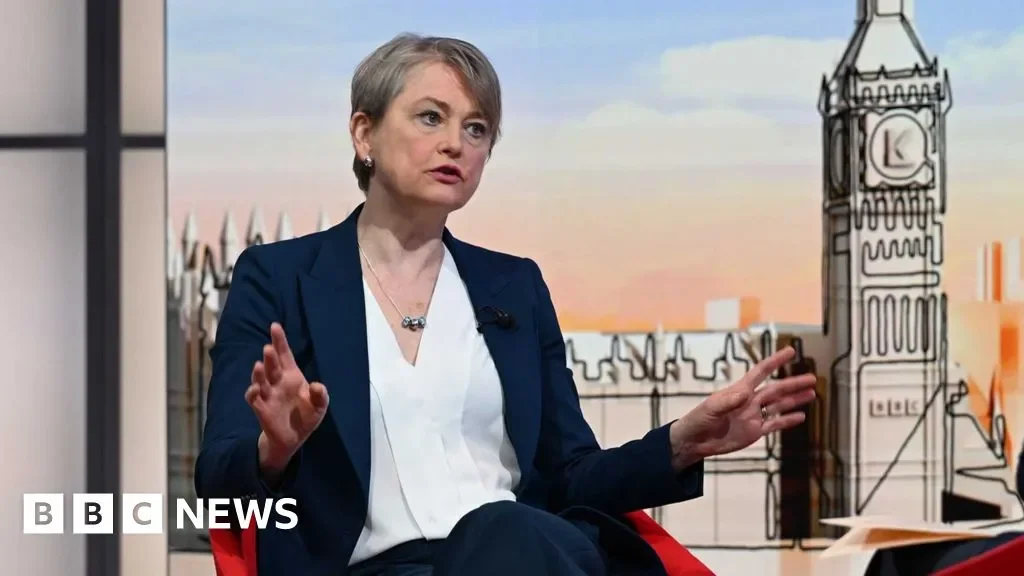
Foreign Secretary Yvette Cooper framed the administration’s measured pace as a deliberate effort to avoid repeating the institutional failures associated with the 2003 Iraq invasion. By distancing the UK from a blanket commitment to American offensive strategy, the Cabinet is navigating a polarized domestic landscape where proponents of unconditional transatlantic alignment clash with those demanding total non-interference.
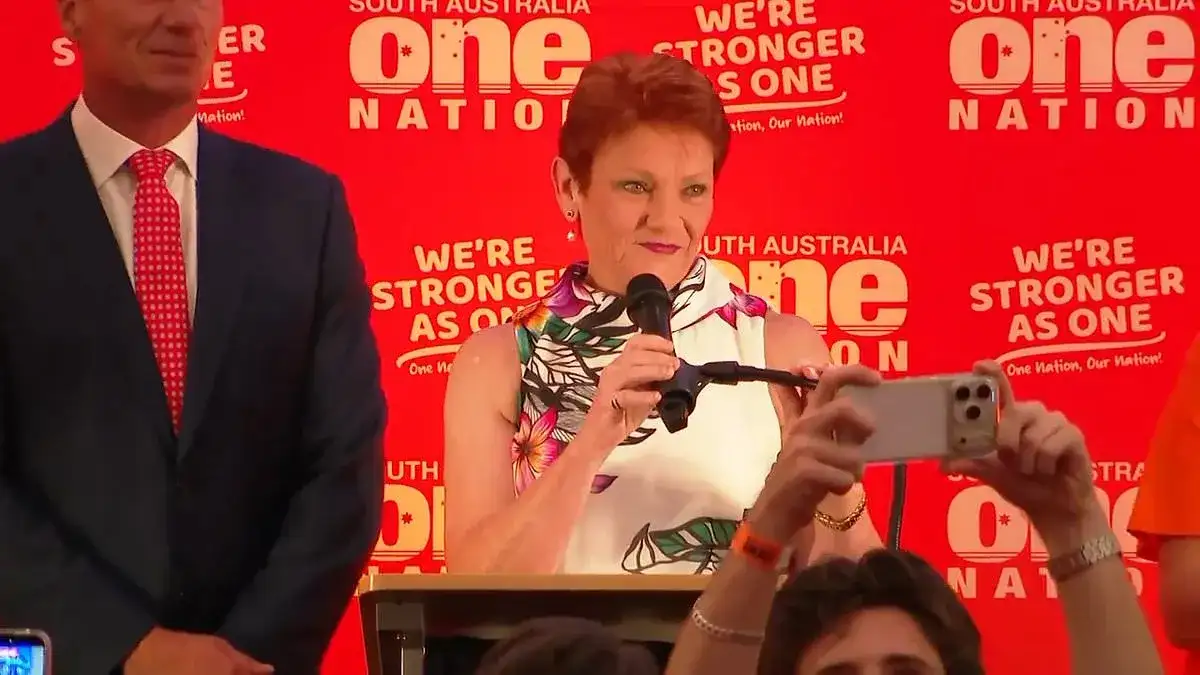
Read More: South Australia Election 2024: Labor Wins, One Nation Surges Past Liberals

"It is our job as the UK government to decide what’s in the UK national interest, and that doesn’t mean simply agreeing with other countries or outsourcing our foreign policy." — Yvette Cooper, Foreign Secretary.
Geopolitical Repercussions
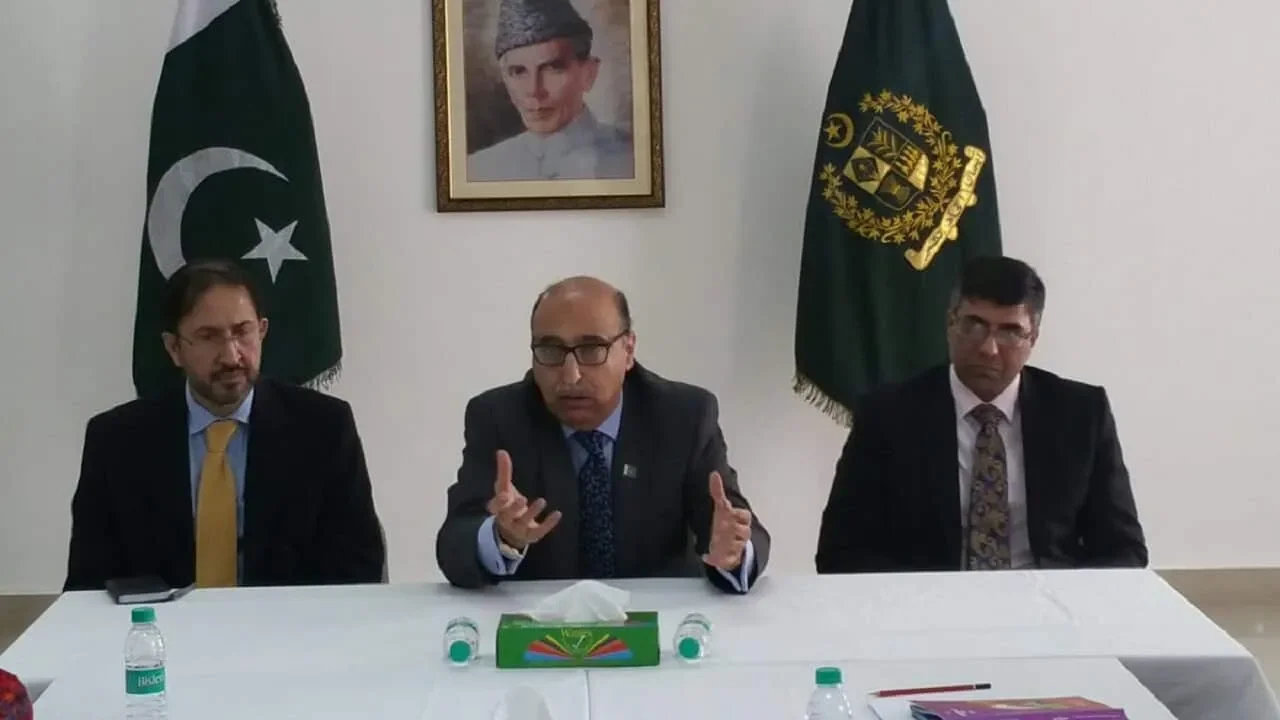
The diplomatic rift arrives during a period of acute vulnerability for British interests in the Gulf. The Iranian ambassador to London, Seyed Ali Mousavi, has issued direct warnings, characterizing any UK property or military base utilized in the conflict as a 'legitimate target' for retaliatory strikes.
Trade and Ties: Speculation persists that Trump’s ongoing dissatisfaction may jeopardize future trade negotiations and broader Special Relationship dynamics.
Civilian Evacuations: The government continues to manage the extraction of citizens via Muscat and Dubai, indicating a prioritisation of consular logistics over military escalation.
Strategic Hedging: By allowing defensive strikes while blocking offensive participation, the Prime Minister attempts a hybrid approach: maintaining the US alliance while creating legal distance from the total campaign.
Contextual Undercurrents
The current tension highlights a structural shift in the Anglo-American Foreign Policy framework. Starmer and Trump held their first direct discussion since the start of the row, a 20-minute exchange that offered little in the way of public resolution. Observers note that the friction reflects a post-Iraq skepticism deeply embedded in the current Labour government's approach, effectively forcing a realignment where 'automatic' support is replaced by transactional, case-by-case military validation.