Kabul Strikes Spark Diplomatic Plea, Team Celebrations Continue
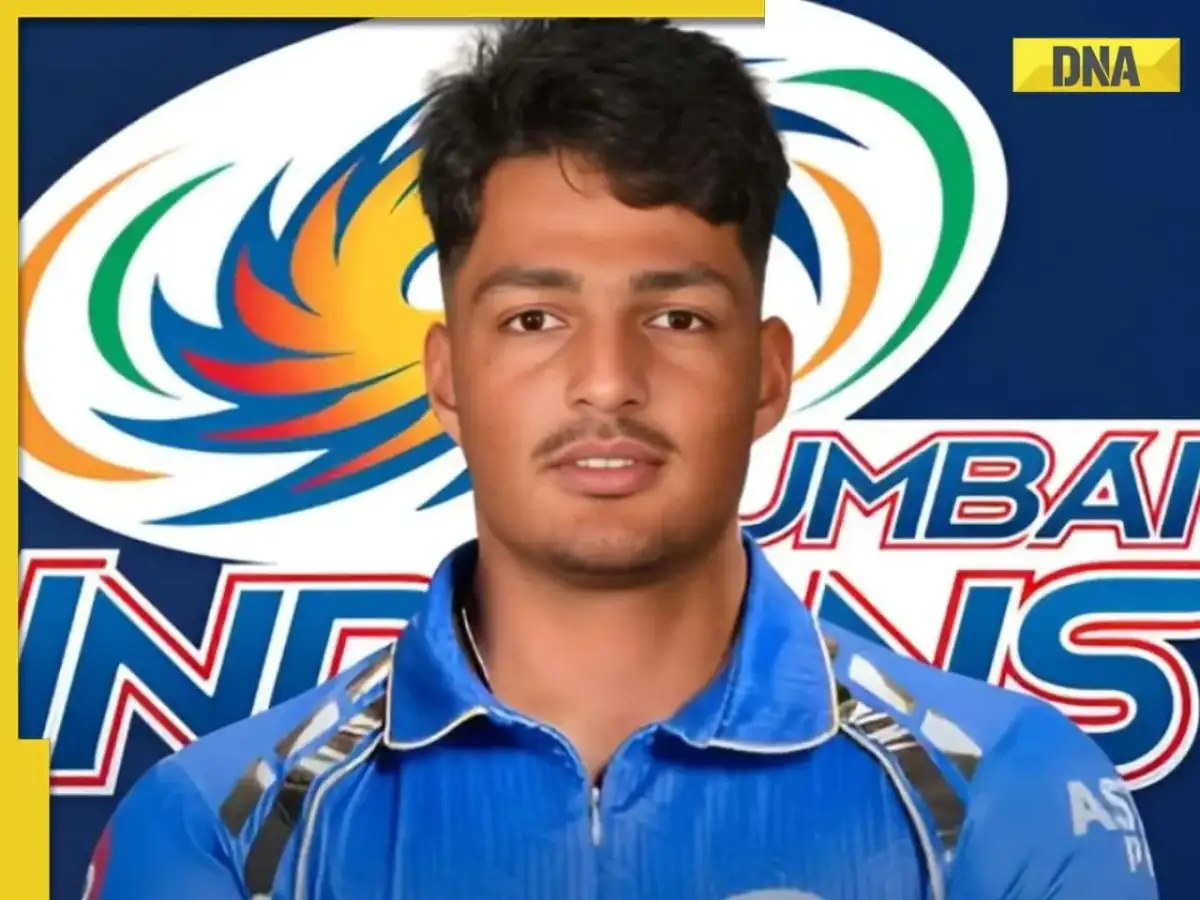
Amidst escalating tensions and reports of a devastating airstrike in Kabul, Afghan cricketer Allah Ghazanfar, slated to play for the Mumbai Indians in the upcoming IPL 2026 season, has voiced strong condemnation and appealed to India for support. Simultaneously, Ghazanfar has been observed participating in team celebrations during Mumbai Indians' practice sessions, highlighting a stark juxtaposition of personal and geopolitical realities.
The airstrike, attributed by Afghan officials to Pakistan, reportedly struck a rehabilitation center in Kabul, resulting in significant casualties, with figures ranging up to 400 deaths and hundreds injured. Ghazanfar has explicitly condemned the attack, stating, “They come and target ordinary people, and we simply cannot accept this. This is not good for the people.” He has also issued a warning to Pakistan, suggesting that a recurrence of such events "would be very bad for Pakistan."
Read More: Beninese striker Adnan Aziz nears Argentina club contract after successful trial
In his appeals, Ghazanfar has identified India as a "close friend" of Afghanistan and has sought its intervention and assistance. The Afghanistan Cricket Board (ACB) has also reportedly criticized the strikes. Pakistan, however, has denied allegations of targeting civilians, asserting that the operation was aimed at destroying militant infrastructure.

Cricket Field as a Stage for Geopolitical Commentary
The involvement of a player like Ghazanfar, who has a rising profile in India, amplifies the reach of his statements beyond the usual sporting discourse. This integration into the IPL, a widely followed league, positions him as an inadvertent commentator on regional conflicts, blurring the lines between sport and international relations.

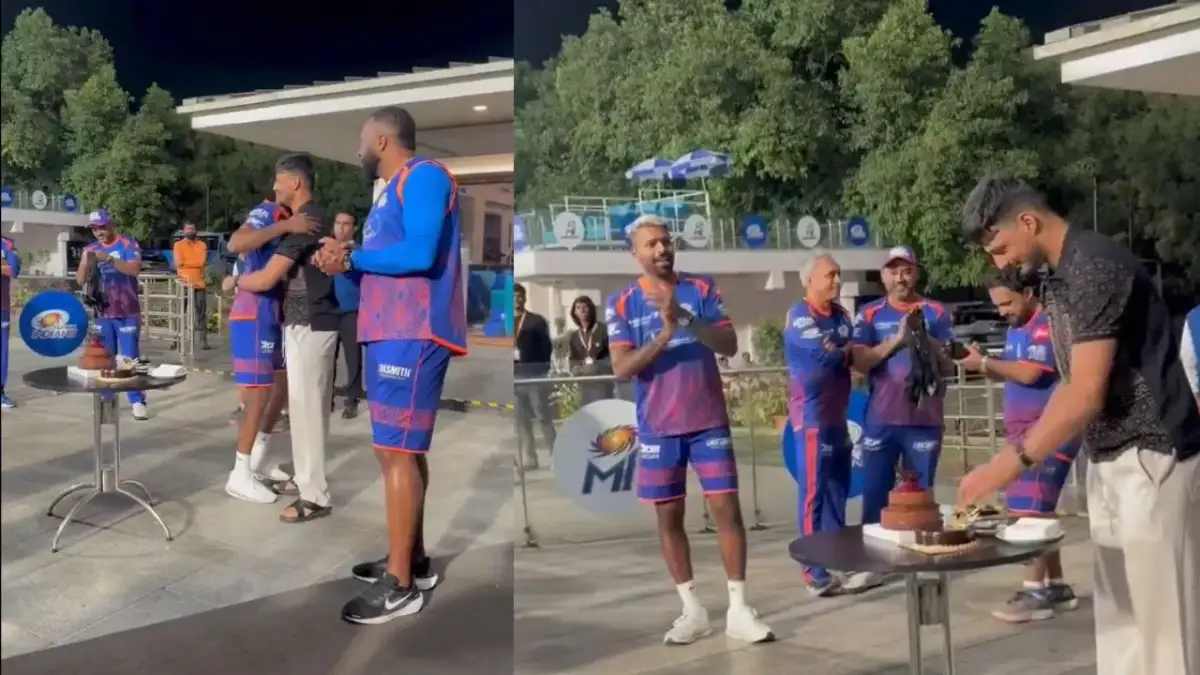
While Ghazanfar has spoken out against the alleged Pakistani airstrikes, reports indicate he also celebrated his birthday with the Mumbai Indians squad during a training camp. Images and mentions of the celebration include teammates and support staff, showcasing a seemingly normal team environment alongside the backdrop of his public statements on the Kabul incident. This duality of professional engagement and political commentary appears to be a recurring theme.
Read More: South Australia Election 2024: Labor Wins, One Nation Surges Past Liberals
Precedent of Conflict Impacting Cricket
This is not the first instance where political events have directly affected the cricketing world involving Afghanistan and Pakistan. Previously, Afghanistan pulled out of a cricket series after stating that Pakistani airstrikes had killed local players. Reports from October 2025 cite the Afghanistan Cricket Board (ACB) stating that three players in a local tournament were killed in an airstrike blamed on Pakistan. Pakistan at the time denied targeting civilians, claiming the strike hit militants. Other Afghan cricketers, including Rashid Khan and Mohammad Nabi, have also publicly criticized Pakistan's actions, with some labeling them as war crimes. Fast bowler Naveen-ul-Haq has also made public statements, drawing parallels between Pakistan's actions and those of Israel.
The circumstances surrounding the recent airstrike in Kabul involve an alleged attack on the Omid Addiction Treatment Hospital, a 2,000-bed facility. While Afghan officials claim the strike hit a drug rehabilitation hospital, Pakistan maintains its focus was on militant infrastructure. The reported casualties underscore the severity of the incident and the humanitarian concerns raised by Ghazanfar and others.
Read More: Washington Softball Beats Michigan 7-4 After Falling Behind
Background: India-Afghanistan Relations and Regional Tensions
India and Afghanistan have historically maintained a close diplomatic relationship, with India providing significant economic and developmental assistance to Afghanistan. This longstanding connection likely informs Ghazanfar's appeal to India for help. The region, however, has been plagued by instability and cross-border tensions, particularly between Afghanistan and Pakistan, with accusations of militant activity and counter-operations frequently surfacing. The context of these ongoing geopolitical complexities frames the statements and actions of individuals like Ghazanfar.