Tensions simmer as US and Iran edge toward fragile agreement; nuclear concerns linger.
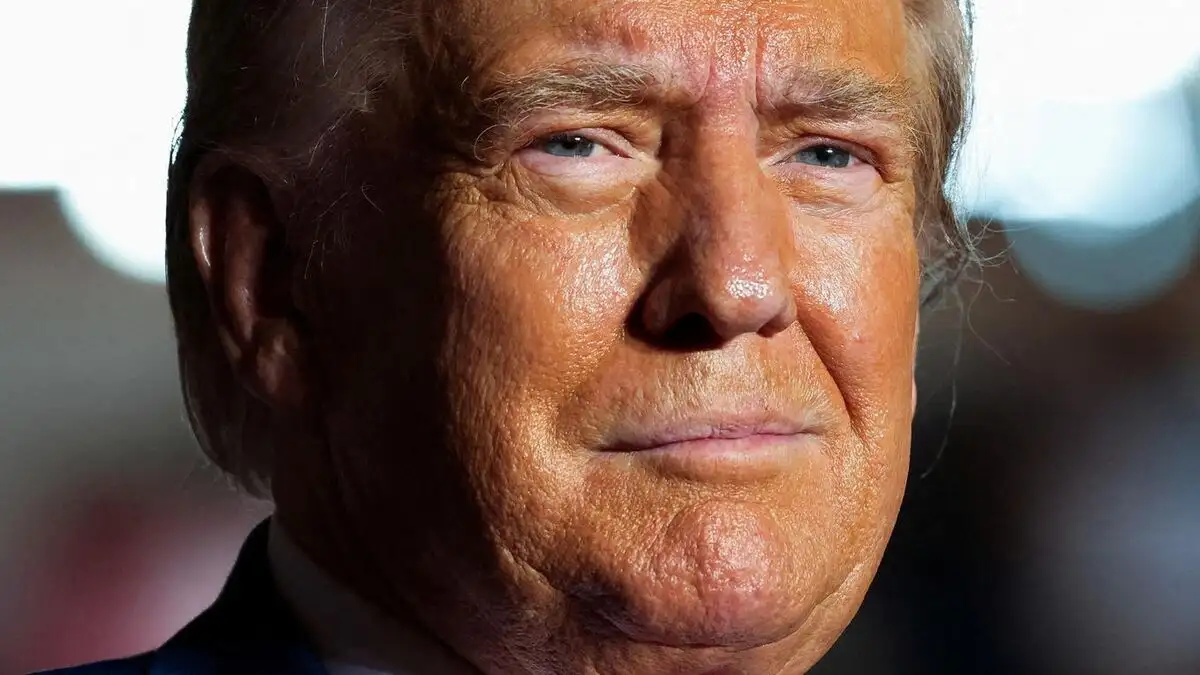
US officials are reportedly close to finalizing a peace deal with Iran, with Donald Trump issuing a stern warning to Tehran regarding its nuclear ambitions. The proposed agreement, discussed on May 24, 2026, could involve the reopening of the Strait of Hormuz, a critical global shipping lane. However, significant points of contention reportedly persist, particularly concerning the management of this vital waterway.
The White House is navigating a complex geopolitical landscape, attempting to broker a peace agreement with Iran while simultaneously addressing Israeli concerns about Iran's nuclear program. The potential for a deal has sparked a spectrum of reactions, from cautious optimism to outright criticism from within Trump's own political sphere.
Key Developments:
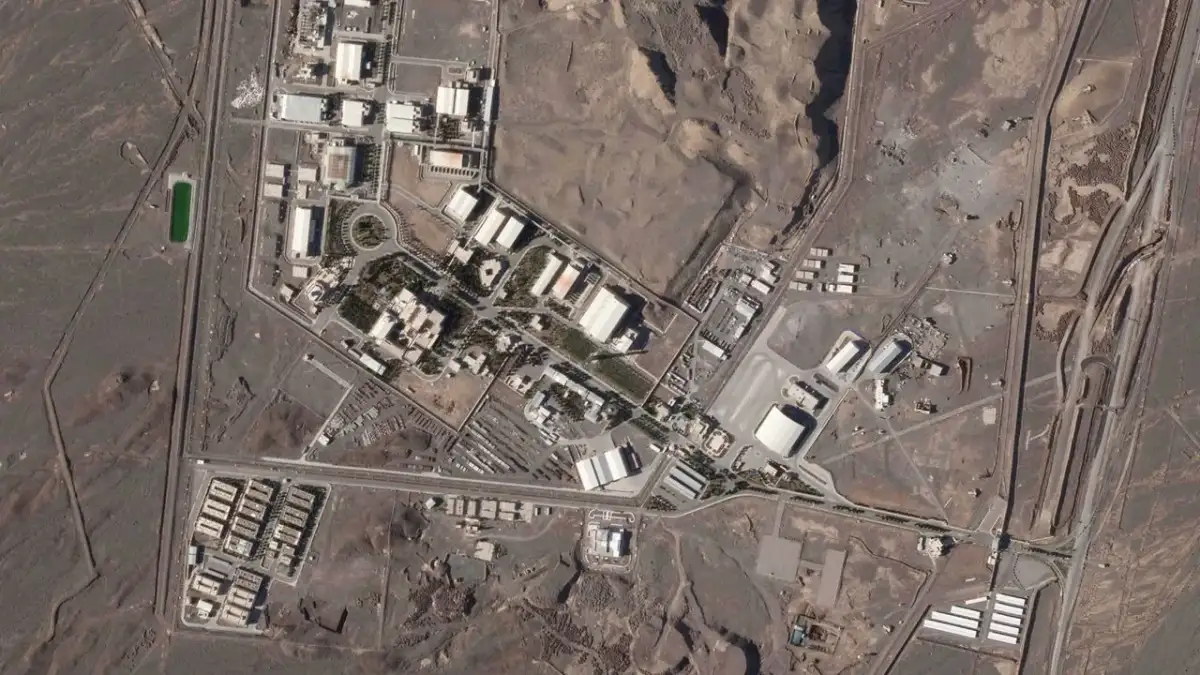
Nuclear Ambitions: Israel's Benjamin Netanyahu has reportedly aligned with Trump, emphasizing the necessity of dismantling Iran's uranium enrichment facilities.
Economic Levers: The unfreezing of Iranian assets, held by US sanctions, is a central negotiation point.
Internal Opposition: US Senator Ted Cruz has voiced deep concern over the potential terms of an agreement with Iran.
Gulf State Involvement: Countries in the Persian Gulf region are seeking to influence the ongoing US-Iran negotiations.
Disparate Voices on the Brink of Peace:
Dominique de Villepin, former French Prime Minister, described the current moment as a "market for dupes," suggesting a lack of genuine mutual benefit in the proposed accord. Meanwhile, Secretary of State Marco Rubio expressed cautious optimism, noting that an agreement with Iran remains possible. The Hezbollah's threats of violence in Lebanon have also drawn condemnation from Rubio.
Past Controversies and Lingering Questions:
The negotiations unfold against a backdrop of heightened security concerns for Trump himself. A recent investigation into the July 13, 2024, assassination attempt on the former president revealed confusion among law enforcement regarding the shooter's presence. This incident, and the ongoing inquiries into security failures, casts a shadow over current high-stakes diplomatic maneuvers.
Read More: Iran Zagros Mountain Nuclear Site Construction Update April 2026

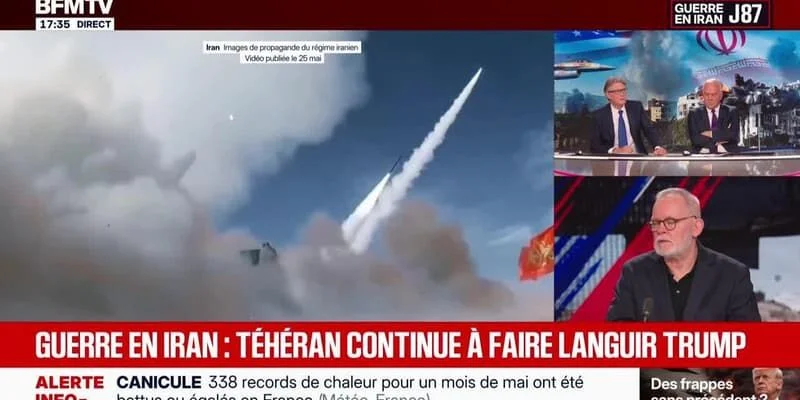
Further complicating the picture are reports of Iranian threats to rebuild its forces during a ceasefire and warnings against Iran's development of what Trump termed "the greatest drone empire ever seen."

Background Context:
Donald Trump's political career has been marked by a series of contentious policy decisions and public statements. His approach to foreign relations has often been characterized by direct engagement and a willingness to challenge established diplomatic norms. This latest diplomatic effort with Iran, should it culminate in a verifiable peace agreement, would represent a significant shift in regional dynamics. However, the deep-seated mistrust and competing interests involved suggest that any resolution will be fraught with challenges.