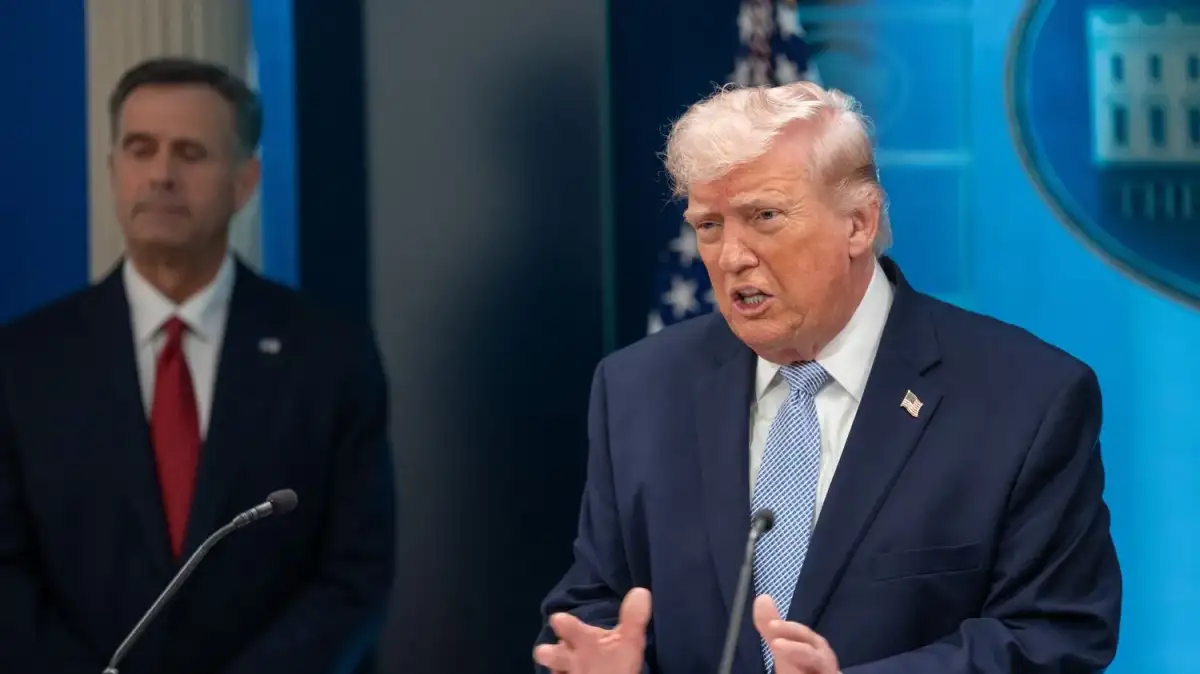
WASHINGTON D.C. - President Donald Trump has characterized ongoing negotiations with Iran as "very boring," while simultaneously issuing a stark ultimatum threatening the destruction of Iranian infrastructure if a ceasefire and the unblocking of the Strait of Hormuz are not agreed upon. The deadline for this threat was set for 8 PM Washington time on April 7, 2026.
The specifics of the proposed deal, as outlined by Trump, involve Iran agreeing to a ceasefire and lifting its blockade of the Strait of Hormuz. In return, Iran would reportedly implement a transit fee of $2 million per vessel, to be shared with Oman.
The President's pronouncements come amidst a backdrop of heightened tensions in the Middle East. Reports indicate ongoing strikes between Iran and the United States, though French President Macron has publicly praised Trump's "determined efforts" to reach a swift agreement. Meanwhile, Israel has signaled an intent to "intensify" its offensive in Lebanon against Hezbollah.
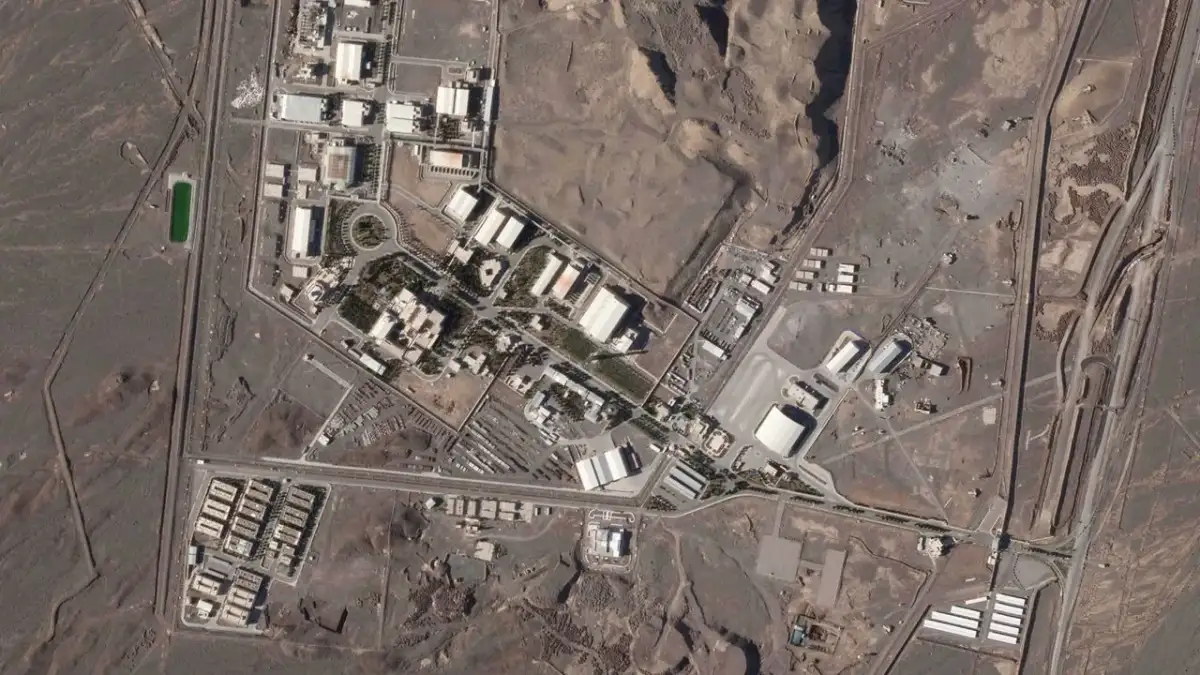
Read More: Iran Zagros Mountain Nuclear Site Construction Update April 2026
Trump's approach to the Iran situation has been met with a spectrum of reactions. While some, like Macron, acknowledge his diplomatic endeavors, others, such as Iran itself, have denied reaching any "final agreement."
Diplomatic Maneuvers and Domestic Distractions
The international spotlight on Iran's nuclear program and regional activities appears to be a constant thread in the Trump administration's foreign policy. Iran has affirmed it has "rebuilt" its forces during a truce and issued threats against the United States, while also claiming to have received assurances from Trump that it would not pursue nuclear weapons.
Domestically, Trump's presidency has been a period marked by a flurry of activities and controversies:
Security and Defense: Concerns about protecting his daughter, Ivanka, from alleged threats from an Iraqi terrorist have surfaced. He has also detailed plans for "the greatest drone empire ever seen" to safeguard a future ballroom. Furthermore, there was an announcement of sending 5,000 military personnel to Poland.
Political Engagements: Trump has expressed uncertainty about attending his son's wedding due to the war in Iran. He has also engaged in various political battles, including challenging judicial decisions impacting his fundraising efforts and endorsing candidates within the Republican party.
Health and Public Image: Trump's health has been a recurring topic, with multiple hospital visits noted, leading to speculation. He has publicly stated he is in "excellent health" but his doctor advised weight loss. His resemblance to a 700kg buffalo in Bangladesh also became a peculiar news item.
Financial and Legal Matters: His media network, Truth Social, has reported significant losses. Trump is also involved in various legal challenges, including lawsuits against him and actions initiated by his administration against others. He has also proposed the creation of a fund to compensate opponents of Biden.
International Relations: Beyond Iran, Trump has engaged in discussions with China's Xi Jinping, describing them as "extremely positive," and has also addressed the Taiwan issue. He has also called for Saudi Arabia and Qatar to sign the Abraham Accords as part of his peace plan with Iran.
Context and Chronology
The complex web of interactions surrounding the Iran negotiations and broader geopolitical landscape includes numerous reports from May and April 2026. These reports highlight Iran's assertion of rebuilding forces during a truce, Trump's assurances regarding Iran's nuclear ambitions, and conflicting statements about the status of any agreements.
Read More: Taiwan Holds Nantou County Drills to Prepare for State Collapse
The proposed deal's core elements—a ceasefire and the unblocking of the Strait of Hormuz in exchange for transit fees—represent a critical juncture in the escalating tensions. The implications for global oil supply and regional stability remain a central concern.
The historical context of US-Iran relations, marked by periods of intense animosity and sporadic diplomatic overtures, frames these recent developments. Trump's unconventional negotiation style, often characterized by public pronouncements and ultimatums, appears to be a consistent feature of his foreign policy.