Recent statements by Donald Trump suggest a significant alteration in his administration's approach to Iran, claiming US forces have "actually left their military alone," a stark contrast to previous bellicose rhetoric. This abrupt shift has fueled speculation about underlying motivations, ranging from genuine de-escalation efforts to a calculated political repositioning amid ongoing geopolitical turbulence.
The "Laissez-Faire" Declaration
In a recent public address, Trump asserted a policy of non-interference with Iran's military, a departure from earlier pronouncements that often threatened decisive action. This new stance implies a move away from direct confrontation, focusing instead on other strategic objectives or a reevaluation of the costs associated with sustained military engagement.
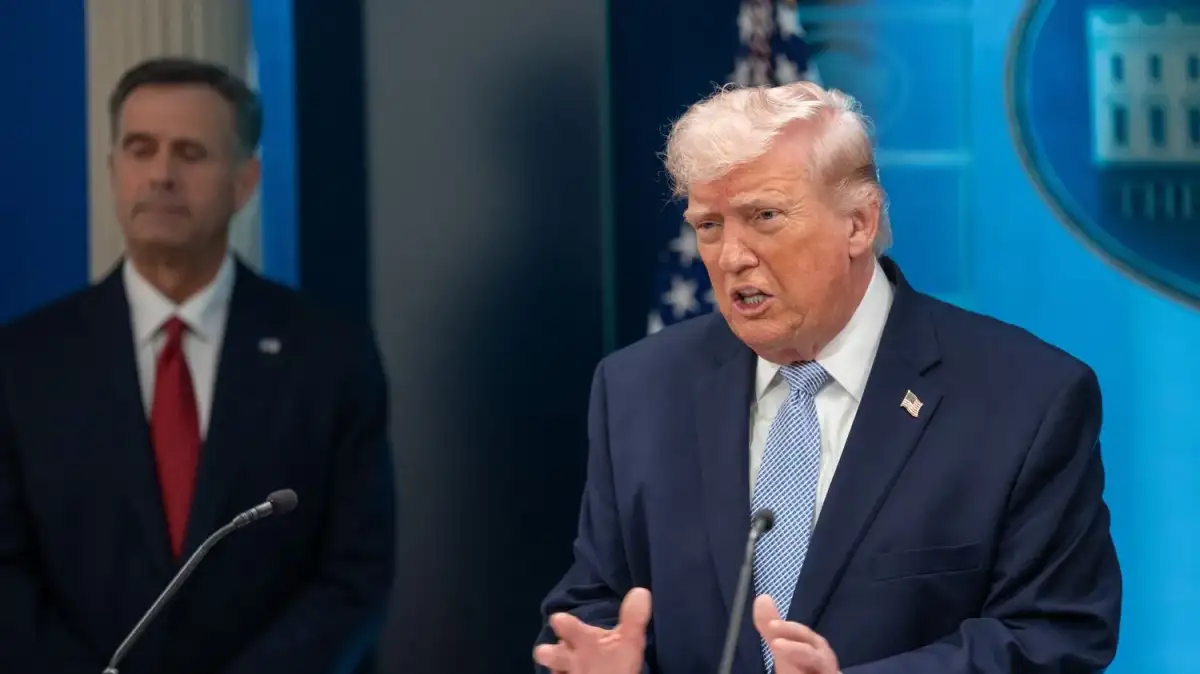
The specifics of this alleged "leaving alone" remain vague, lacking concrete evidence of troop withdrawals or a reduction in military posture. Instead, the emphasis appears to be on a rhetorical adjustment, a notable feature of Trump's public communication style.
Read More: Taiwan Holds Nantou County Drills to Prepare for State Collapse
Contextualizing the Change
This apparent U-turn occurs against a backdrop of escalating tensions in the Middle East, including ongoing clashes and diplomatic maneuvers. Reports indicate Iran has been actively rebuilding its forces during periods of truce, while simultaneously threatening the United States.
Further complicating the narrative, news outlets have highlighted Trump's own fluctuating statements regarding potential agreements with Iran. One report from May 2026 indicated an engagement from Iran to cease nuclear armament, while another from the same period suggested the White House was prepared to impose strict conditions on any accord.
A History of Shifting Narratives
This latest pivot is not an isolated incident in Trump's public career. His administration's policies have often been characterized by abrupt changes and seemingly contradictory statements.
July 2024 Assassination Attempt: The lingering questions surrounding the security lapses during the attempt on Trump's life in July 2024 continue to cast a shadow, underscoring the volatile security environment.
Iran Ultimatum (April 2026): Prior to this recent declaration, Trump had issued stark ultimatums to Iran, threatening the destruction of infrastructure if a ceasefire and the unblocking of the Strait of Hormuz were not met. This involved a proposed transit fee for vessels, a detail underscoring the complex economic dimensions of the conflict.
Broader Geopolitical Landscape: The situation is further contextualized by other regional dynamics, such as Israel's intention to escalate its offensive against Hezbollah and France's president, Macron, commending Trump's efforts toward an agreement.
The persistent undercurrent of uncertainty surrounding these declarations invites critical scrutiny, pushing observers to discern between strategic shifts and rhetorical improvisation in the complex theater of international relations.
Read More: AFP Reviews War Crime Claims Against Australian in Gaza