HIGH GAS PRICES LINGER AMID GEOPOLITICAL TENSIONS
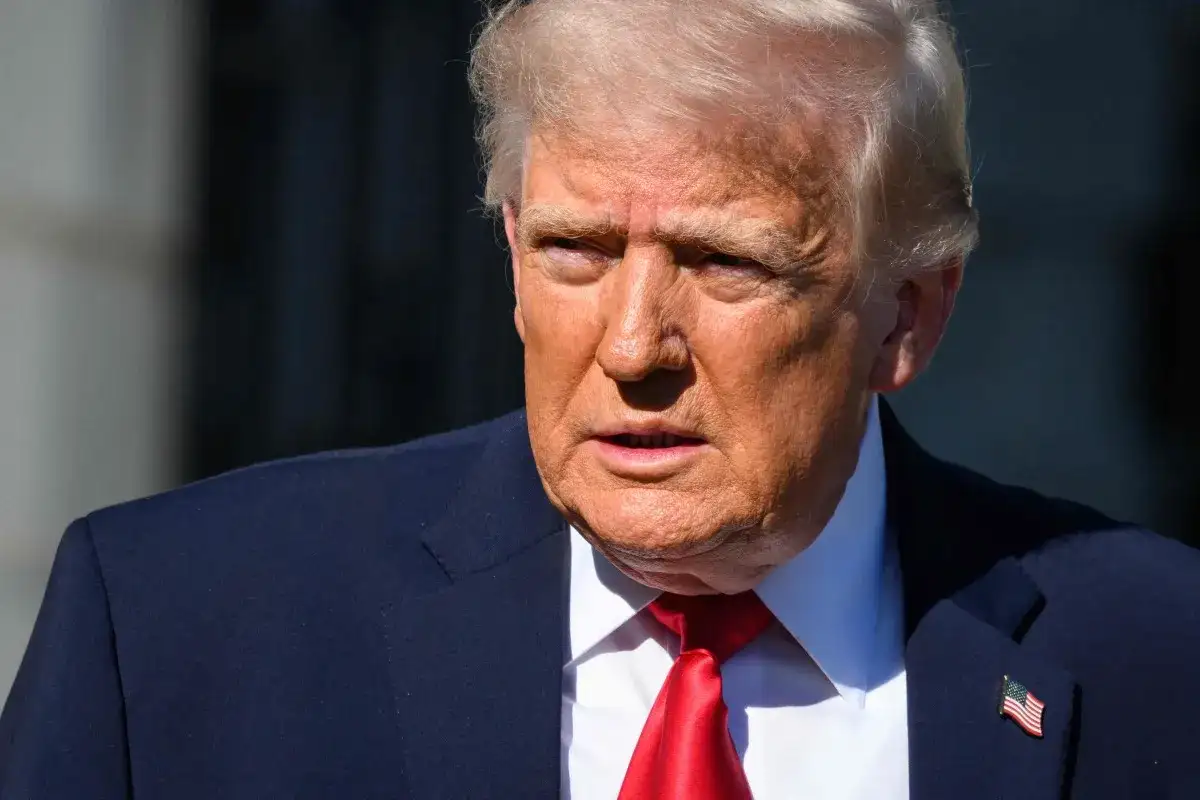
President Trump suggested on Sunday that elevated oil and gasoline prices may persist through the upcoming November midterm elections, a notable shift from his earlier assertions that price surges were temporary. This development arrives against a backdrop of escalating tensions with Iran, which have sent global oil prices climbing in recent weeks. Trump’s administration has acknowledged the wider economic ramifications of the conflict, even as fuel costs emerge as a significant political talking point ahead of the crucial November contests.
Trump told reporters that prices could "stay the same or rise slightly" in the coming months, indicating a lack of immediate relief for consumers grappling with higher expenses at the pump. This stance follows weeks of the president maintaining that the spike in fuel costs was a short-term issue, despite his top advisors reportedly being aware of the conflict's economic impacts.
Read More: PM Albanese visits Brunei and Malaysia on April 14 to secure Australia fuel and fertilizer supplies
NAVAL BLOCKADE AND POLITICAL RAMIFICATIONS
Earlier on Sunday, Trump announced via social media plans for the US Navy to blockade the Strait of Hormuz and intercept vessels paying transit fees to Iran, a move that followed inconclusive peace talks between the US and Iran. The strategy behind this proposed blockade has drawn scrutiny.
Democratic lawmakers have questioned the administration's approach. For instance, Senator Mark Warner, a key figure in the Senate Intelligence Committee, has raised doubts about the blockade strategy. A Democratic majority in either the House or Senate could lead to intensified scrutiny of the Trump administration through investigations and impede his legislative agenda.
The conflict's ripple effects have unsettled global financial markets and resulted in considerable civilian casualties, predominantly in Iran and Lebanon.
A PIVOT IN POLITICAL RHETORIC
This latest pronouncement marks a departure from Trump's previous stance. He had previously touted low gas prices as a political win and even suggested they helped him defeat his predecessor, Joe Biden. Benchmark oil prices have experienced considerable volatility, mirroring Trump's shifting statements and the hesitancy of most tankers to navigate the Strait of Hormuz, a critical chokepoint contributing to the price increase.
Read More: UK Taxpayers Face £35 Billion Cost from Migrant Dependants by 2028
In a moment of reported confusion, Energy Secretary Chris Wright briefly claimed on social media that the US Navy had escorted a tanker through the strait, only to later retract the statement. The administration has thus far been unable to provide a clear timeline for when US naval escorts might resume through the Strait of Hormuz.
BACKGROUND
The geopolitical landscape has been profoundly shaped by recent escalations between the United States and Iran. The conflict, characterized by rising oil prices and increased naval activity in critical shipping lanes like the Strait of Hormuz, has direct implications for global energy markets and the economic well-being of consumers worldwide. These developments occur as the United States approaches its midterm elections, a period where domestic economic issues, such as the cost of fuel, often play a significant role in voter sentiment and electoral outcomes.
Read More: JD Vance's Hungary Visit Followed Orbán Election Loss and Iran Talks Exit