

Prime Minister Anthony Albanese is embarking on a diplomatic mission to Brunei and Malaysia this week, a move aimed at fortifying Australia's fuel and fertiliser supplies. The visit, scheduled from April 14th to 17th, signals a heightened focus on securing critical imports for a nation heavily reliant on overseas refineries.
Albanese's itinerary includes meetings with Sultan Hassanal Bolkiah in Brunei and Prime Minister Anwar Ibrahim in Malaysia. The discussions are expected to centre on 'energy, food security, and the flow of essential goods', according to the Prime Minister's office.
Strategic Imports Under Scrutiny
The urgency behind these high-level talks is underscored by Australia's significant dependence on these Southeast Asian nations for vital commodities.

Brunei, a key player in the global oil market, currently supplies 9% of Australia's diesel imports and 11% of its fertiliser-grade urea.
Malaysia stands as Australia's third-largest source of refined fuel and accounts for 10% of Australia's urea imports.
Conversely, Australia plays a crucial role in Malaysia's energy landscape, providing 95% of its imported natural gas. This reciprocal reliance forms the backdrop for the negotiations.
Read More: JD Vance's Hungary Visit Followed Orbán Election Loss and Iran Talks Exit
A Wider Regional Engagement
The Prime Minister's travels are part of a broader effort to engage with regional partners on energy security. Foreign Minister Penny Wong will also be undertaking separate meetings with her counterparts in Brunei, Malaysia, and Singapore, indicating a coordinated approach to bolstering Australia's supply chains.
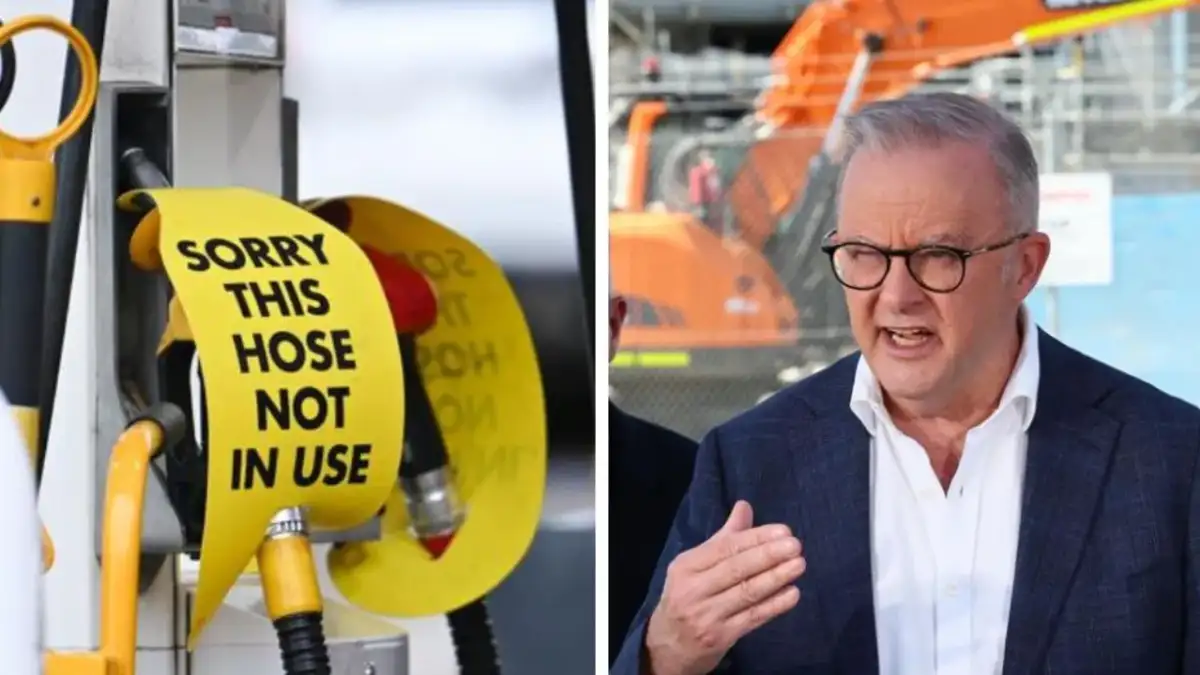
The backdrop to these discussions includes localized fuel shortages and price hikes, with reports suggesting Australia currently holds approximately 30 days' supply of petrol, diesel, and jet fuel.
Context of Global Uncertainty
This diplomatic push follows recent engagements, including Albanese's prior trip to Singapore where he discussed energy security with Prime Minister Lawrence Wong. The recurring theme of 'uncertainty' in global energy markets appears to be the primary driver for these intensified diplomatic efforts, as Australia seeks to mitigate potential disruptions to its fuel supply.


