
Dublin, Ireland – December 4, 2026 – Facing nationwide disruptions from days of sustained fuel protests, the Irish government has announced a €505 million package of measures aimed at alleviating escalating fuel costs. The government's response, detailed on Sunday, includes significant reductions in excise duty on petrol, diesel, and marked gas oil, alongside postponed carbon tax increases and dedicated support for specific sectors.
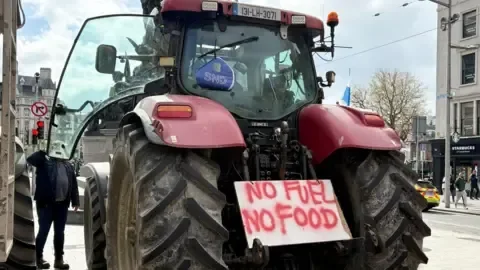
The core of the announcement centres on a 10 cent per litre reduction on petrol and diesel and a 2.4 cent per litre reduction on marked gas oil. These immediate tax adjustments are set to take effect from midnight on Tuesday. Furthermore, a planned carbon tax hike, slated for the following month, has been deferred until October's Budget.
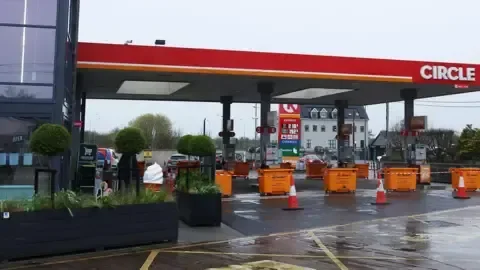
Sector-Specific Aid and Broader Impact
Beyond the general tax reliefs, the government is introducing a fuel subsidy scheme specifically for farmers and fisheries. A transport support scheme is also in the works, intended to assist haulage operators, school transport providers, and other commercial entities. This multi-pronged approach acknowledges the diverse pressures on various economic actors affected by the rising cost of fuel.
Read More: Acting DNI Pulte Fires Dozens of Intelligence Officials Starting Thursday
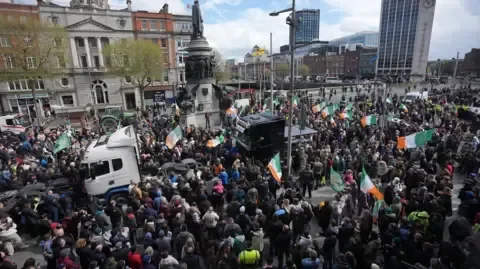
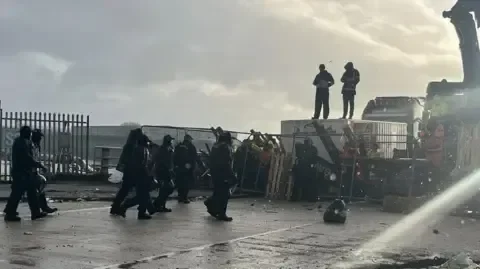
The protests, which commenced on Tuesday morning, saw blockades at key fuel distribution points, including Ireland's sole oil refinery. These actions significantly hampered fuel supply across the country. The government's announcement comes after these disruptions prompted an intensified policing operation, which led to arrests during confrontations between public order units and demonstrators.
Underlying Tensions and Precedent
Protesters had been demanding urgent government intervention, citing fuel costs at levels they describe as unsustainable and threatening business viability. This latest package builds upon earlier measures, with approximately €250 million in relief having been introduced nearly three weeks prior.
Read More: Habibi Grill on Cork's Northside Offers New Syrian Food
The government also issued a public advisory regarding the safety risks associated with improper or unsafe home fuel storage, a concern amplified by the distribution bottlenecks. With schools scheduled to resume on Monday, service providers like Bus Éireann have indicated their intention to reinstate school transport operations. The escalating situation underscored the fragility of fuel supply chains and the immediate economic anxieties felt across the nation.