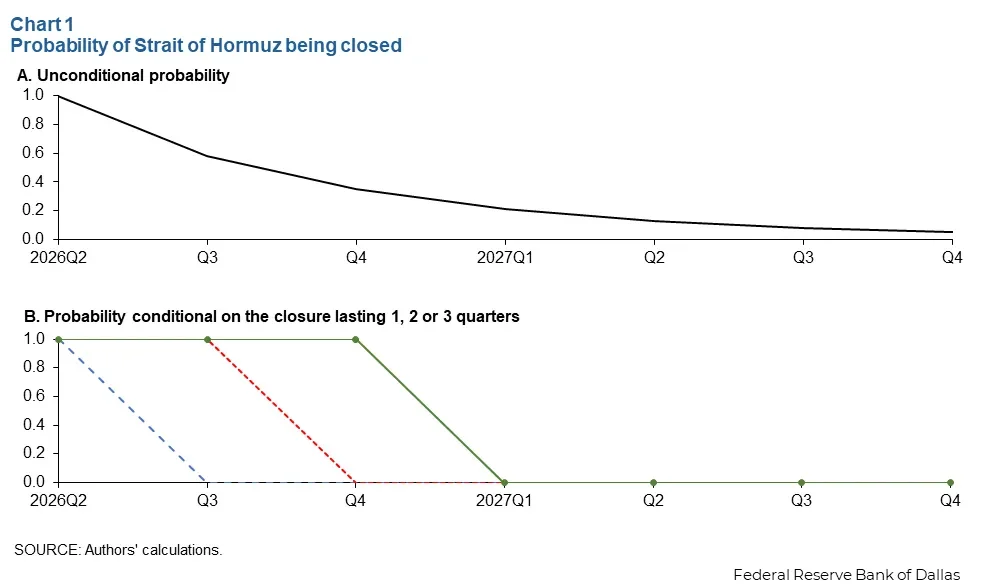
Consumer prices in the United States have climbed at their swiftest annual pace in nearly two years, reaching 3.3% in March. This surge is primarily attributed to the significant jump in energy costs, a direct consequence of the ongoing conflict with Iran.

The U.S. war with Iran has directly impacted the cost of fuel, with gasoline prices reaching their highest levels since the COVID-19 pandemic and jet fuel prices setting new records. While food prices remained flat overall, rising costs for restaurant meals counteracted a dip in grocery prices. Airline ticket prices also saw an increase, linked to higher jet fuel expenses.

The latest data, released by the Bureau of Labor Statistics, indicates a sharp acceleration from February's inflation rate of 2.4%. While oil prices have seen some retreat from their peak, they remain substantially higher than pre-conflict levels. The war's aftershocks are expected to continue impacting commonly purchased goods and services in the coming months.
Read More: IMF Cuts Global Growth Forecasts Due to Iran Conflict's Impact on Energy
Despite a recent ceasefire announcement, energy prices have not yet shown a significant decline. This persistent inflation underscores broader concerns about affordability, amplifying existing issues. While some consumer items saw price drops, the dominant narrative is one of rising costs driven by geopolitical instability.

Broader Economic Context
This inflationary spike comes against a backdrop where policymakers are typically wary of overreacting to volatile gasoline prices. However, the current situation is perceived as more deeply rooted in the war's impact.
A survey from the New York Federal Reserve revealed that while short-term inflation expectations have risen, consumers still anticipate a long-term decrease. Core inflation, which excludes volatile food and energy prices, is often seen as a more stable indicator of underlying economic trends. Clothing prices also saw an increase, with some analysts pointing to the lingering effects of tariffs as a contributing factor, as businesses pass those costs onto consumers.
Read More: US Board Upholds Deportation Order for Palestinian Activist Mahmoud Khalil on Thursday
The average U.S. inflation rate has historically hovered around 3.29% since 1914, with extreme highs and lows recorded in the early 20th century. The latest figures mark a notable deviation from this historical average, particularly given the sharp upward movement.