Forecasts Downgraded Amidst Energy Shocks and Supply Chain Strain
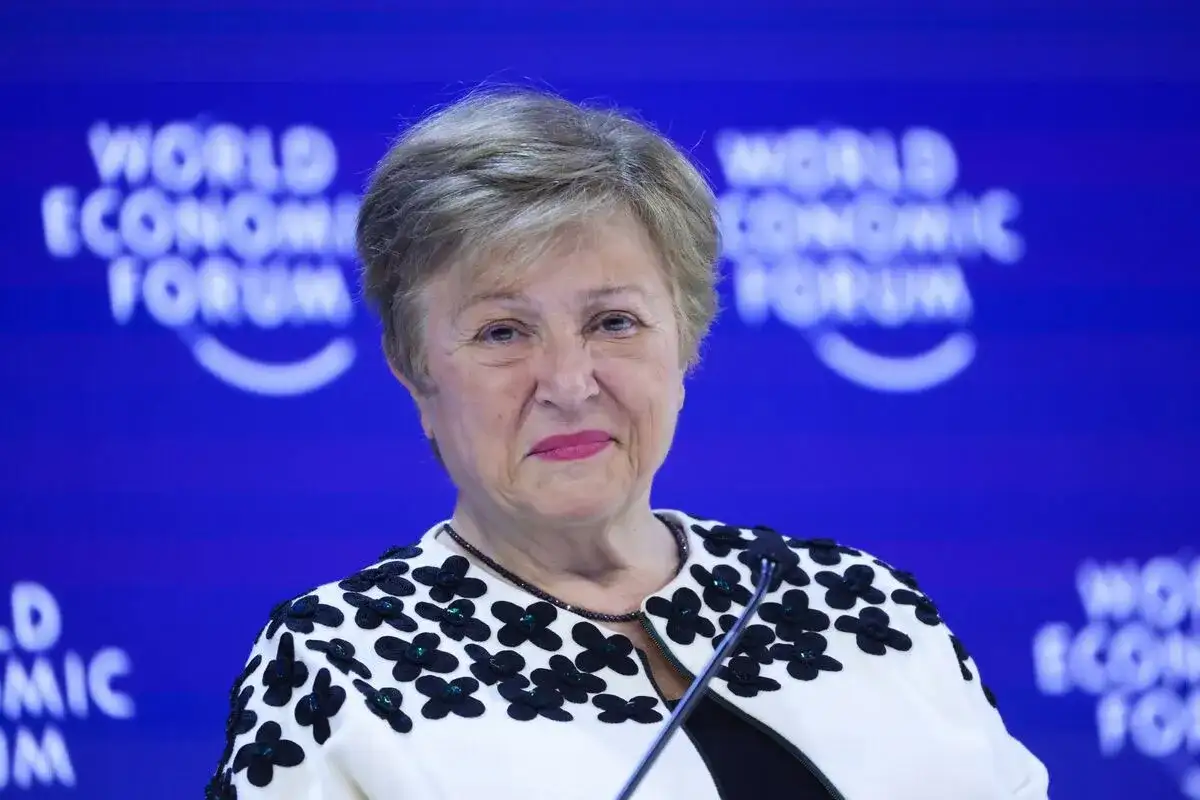
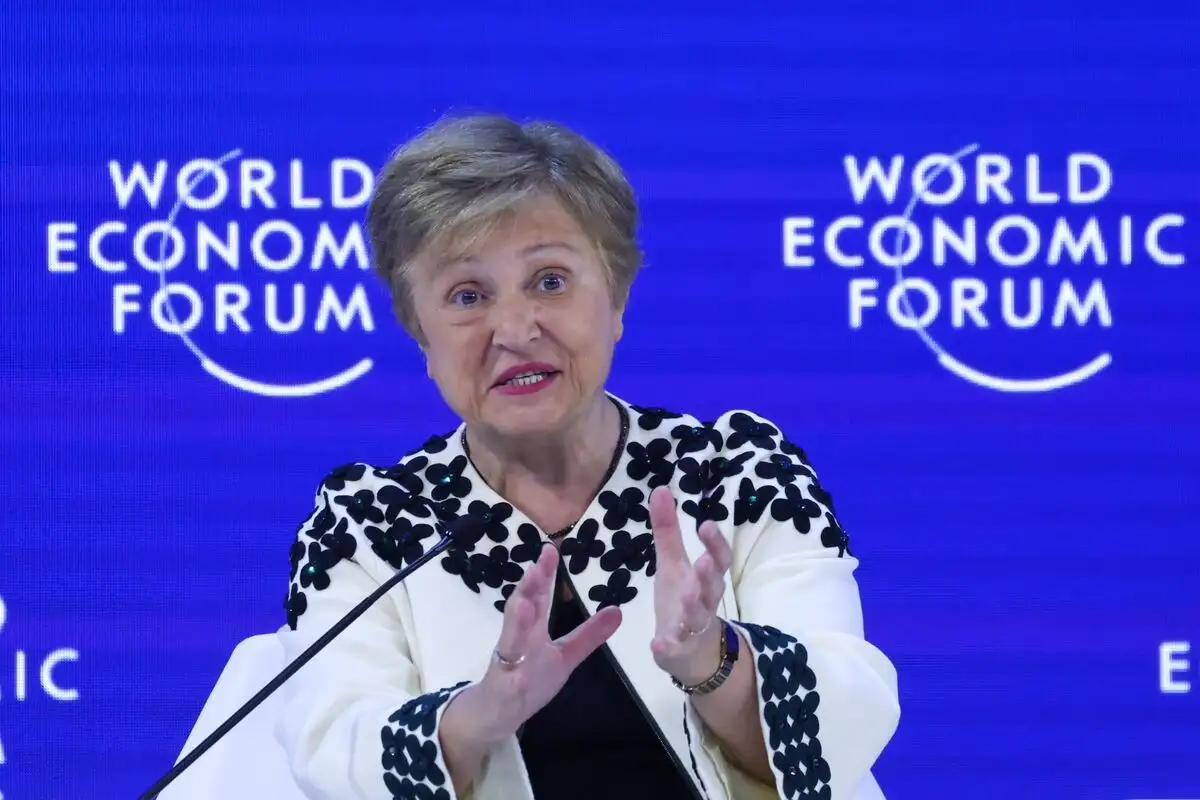
The International Monetary Fund (IMF) is set to revise global growth projections downward, citing the disruptive impact of the ongoing conflict in Iran on energy markets and supply chains. The war, which erupted approximately six weeks ago following a US-Israeli offensive, has already dealt a significant blow to an international economy still grappling with post-pandemic inflation. IMF Managing Director Kristalina Georgieva stated that prior to the conflict, the Fund was anticipating an upward adjustment to growth forecasts for 2026. However, the repercussions of the war have upended these expectations, paving the way for a period of slower economic expansion.
The IMF’s assessments highlight a grim prognosis, with predictions of a resurgence in rising prices, a tightening of monetary policy through higher interest rates, and a general deceleration of economic activity. The closure of the 'Strait of Hormuz', a vital artery for maritime traffic, has been a particularly acute shock. Although some shipping has resumed, with a reported increase in tanker transits, the disruption to this crucial corridor has had far-reaching consequences. This includes a substantial impact on energy supply and significant strains on global supply chains, affecting everything from fuel costs to the price of essential goods like fertilizers, a third of which relies on passage through the strait.
Read More: Goldman Sachs predicts 15 million US jobs lost to AI by 2036
Inflationary Pressures and Business Uncertainty
The conflict's fallout is expected to manifest as a "global, yet asymmetric" shock, as described by the IMF. While some energy-exporting nations might see a temporary benefit from elevated fossil fuel prices, consumers worldwide are likely to face higher bills for petrol, diesel, and food, eroding living standards. Businesses are also anticipating pressure to pass on increased costs, potentially compelling central banks to intervene with further interest rate hikes to curb inflation. This scenario risks a prolonged period of elevated energy costs and stubborn inflation, creating ongoing uncertainty and geopolitical risk that could linger even if the conflict resolves quickly.
The IMF’s analysis underscores a worrying vulnerability in the current global economic landscape. Many nations, particularly those in Africa and Asia heavily reliant on oil imports, are already struggling to secure necessary supplies, even at inflated prices. The overarching concern is that the world economy is ill-equipped to absorb such significant shocks, making a coordinated response to mitigate the negative effects a formidable challenge.
Read More: Iran Warns Gulf States After U.S. Naval Clash
Background to the Conflict and IMF Engagement
The current economic downturn is unfolding against the backdrop of significant geopolitical events. The US and Israeli actions against Iran, which began around six weeks ago, triggered the initial disruption to shipping and energy markets. Discussions surrounding the economic ramifications of this conflict are expected to be a central theme at the upcoming spring meetings of the World Bank and the IMF. Ms. Georgieva is slated to present further insights on these matters. The war’s trajectory – its duration, potential for escalation, and the extent of infrastructure and supply chain damage – will heavily influence the ultimate economic outcome. Historically, sustained spikes in oil prices have consistently correlated with higher inflation and reduced economic growth, a pattern that appears poised to repeat.