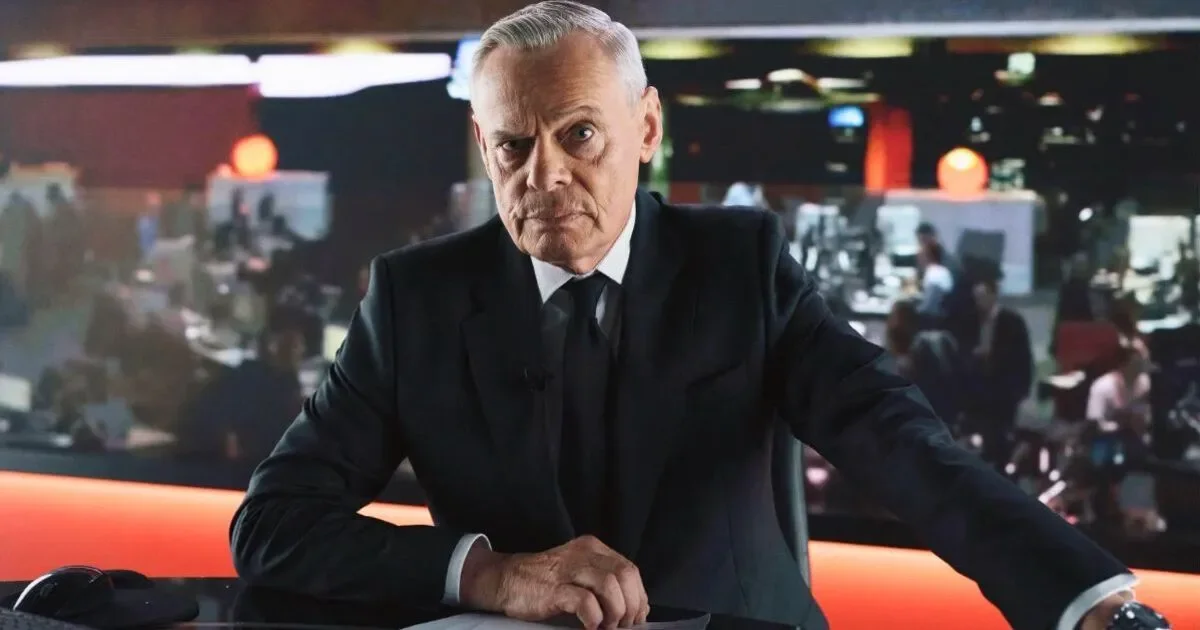
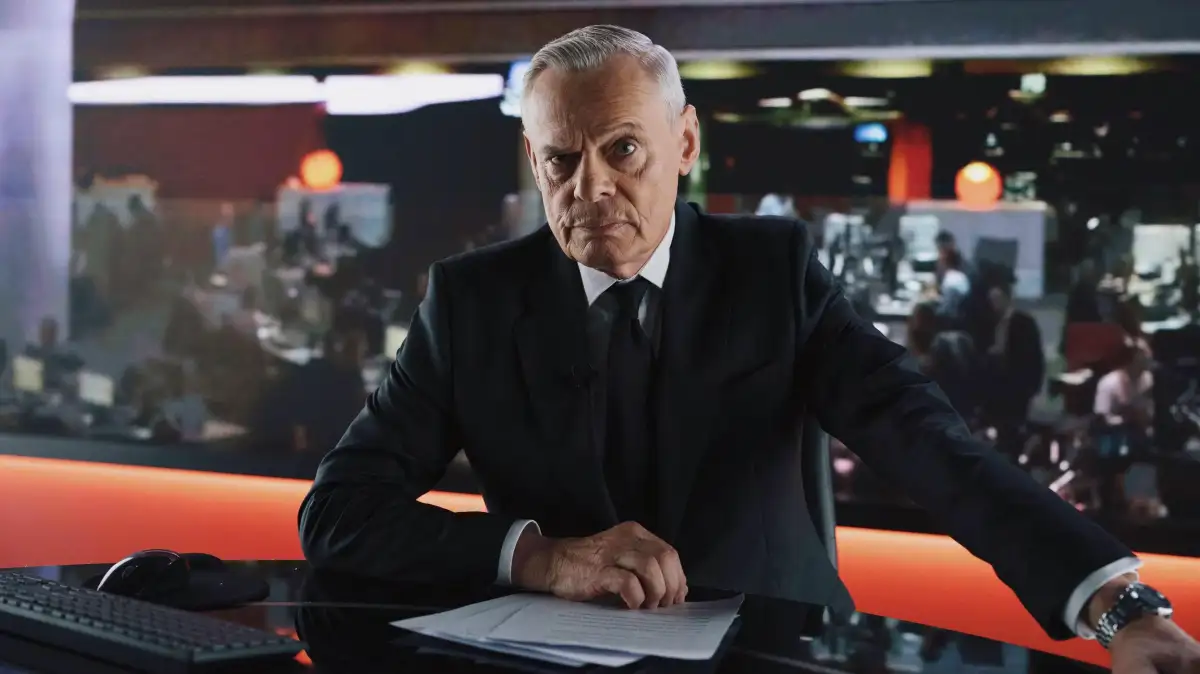
Huw Edwards, the former BBC news anchor convicted of creating indecent images of children, has signaled his intent to produce an independent account of the events surrounding his career’s collapse. This move follows the recent broadcast of Power: The Downfall of Huw Edwards on Channel 5, a factual drama featuring actor Martin Clunes.

The core tension lies in the narrative control of a public figure's disgrace; Edwards rejects the television adaptation as a "one-sided account" containing "misleading or fabricated claims," while the broadcaster maintains the production adheres to Ofcom standards, relying on court evidence and testimony.

Current Developments
Proposed Counter-Narrative: Edwards is reportedly fielding interest from multiple production entities to create a documentary or podcast series, framing it as an attempt to "convey the reality" of his situation.
The Conflict: Edwards claims that neither Channel 5 nor the production house, Wonderhood, consulted him regarding the truth of their narrative prior to production.
The Broadcaster’s Stance: Channel 5 representatives assert that allegations were presented to Edwards via his solicitors six weeks prior to transmission, asserting the series is built on verified text exchanges, court reporting, and interviews.
Public and Professional Reaction
| Party | Position |
|---|---|
| Huw Edwards | Denounces the drama; plans independent media rebuttal. |
| Channel 5 | Defends accuracy based on legal and victim-led documentation. |
| Audience | Divided responses on social media, with significant scrutiny regarding the dramatization of recent criminal events. |
Context and Legal Status
The Conviction of Huw Edwards in July 2024 concluded a high-profile investigation that forced him out of the BBC. His sentencing included a six-month term of imprisonment, suspended for two years, and a mandatory requirement to participate in a sex offender treatment program.
Read More: Jon Stewart criticizes Donald Trump presidency in September 2025 for misleading claims on Iran war

The discourse surrounding this Dramatisation highlights a broader friction in contemporary media: the point at which documented criminal fact intersects with the entertainment industry's demand for biographical storytelling. Edwards, once a fixture of the British broadcasting establishment, now attempts to reclaim a narrative that was effectively settled by the criminal courts.
Investigation of the proposed documentary/podcast projects remains in the preliminary stages.