The conflict between Iran, Israel, and the United States has entered a phase of sustained military intensification. Following a White House address in which President Donald Trump pledged to bomb Iran "back to the Stone Ages," Tehran has formalized its intent to execute what it describes as "crushing, broader, and more destructive" attacks against both American and Israeli interests.
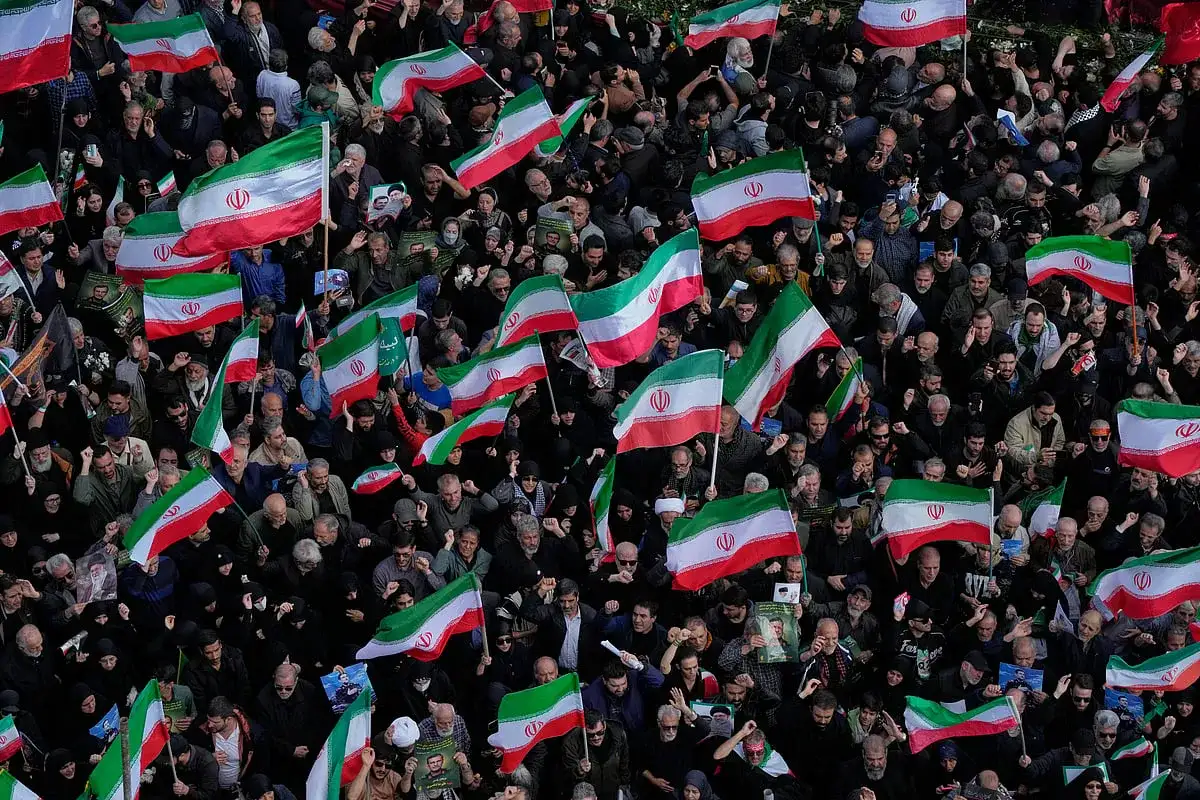
Core Signal: Strategic synchronization between military strikes and public threats has triggered global market volatility, specifically in oil futures and equity indices, while rendering established transit routes like the Strait of Hormuz critical points of systemic failure.

| Incident Category | Primary Actors | Impact Scope |
|---|---|---|
| Direct Strikes | US, Israel vs. Iran | Infrastructure, Missile Hubs |
| Proxy Warfare | Hezbollah, Houthis | Northern Israel, Lebanon |
| Market Reaction | Global Investors | Oil Spikes, Stock Tumbles |
Military Activity and Geographic Scope
The IDF has engaged in systemic strikes against Iranian ballistic missile launchers and financial hubs, claiming to have eliminated the commander of the ballistic missile forces in the Kermanshah region.
Simultaneous barrages were reported over the Passover holiday, with Hezbollah and Houthi forces participating in multi-front drone and rocket launches targeting northern and central Israel.
Lebanese authorities report over 1,300 deaths in that jurisdiction since the onset of active hostilities on March 2.
Iranian state-linked facilities, including the Pasteur Institute in Tehran, have sustained reported damage from direct fire.
Institutional Framing and Economic Fallout
The White House has characterized these offensives as a necessary posture, yet market reaction indicates a lack of investor confidence in a near-term resolution. The Strait of Hormuz, a vital maritime artery for global energy, remains a central concern for major importers like China.
Read More: Karaj B1 bridge attack in Iran leaves 8 dead as Donald Trump urges new peace deal
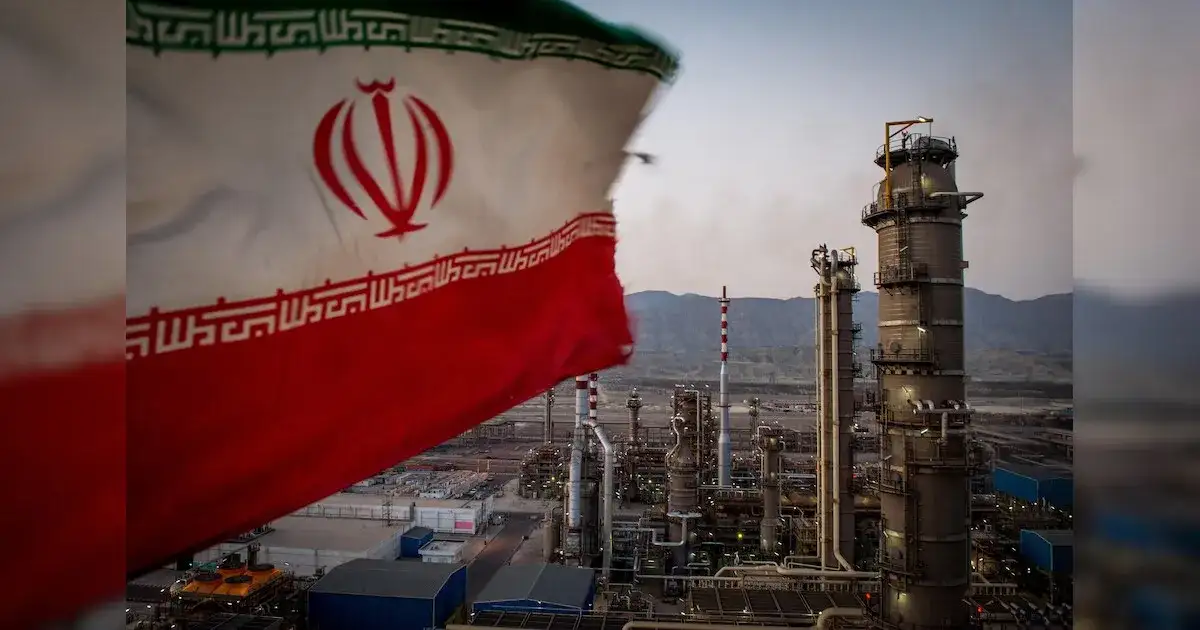
Domestically, the war has manifested in decreased approval metrics for the administration, linked directly to rising fuel costs and the widening scope of the regional engagement. Tehran’s military command, Khatam Al-Anbiya, continues to utilize state-controlled media to reiterate that its defensive and offensive capabilities remain operational despite targeted strikes on its sovereign soil.
Background and Precedent
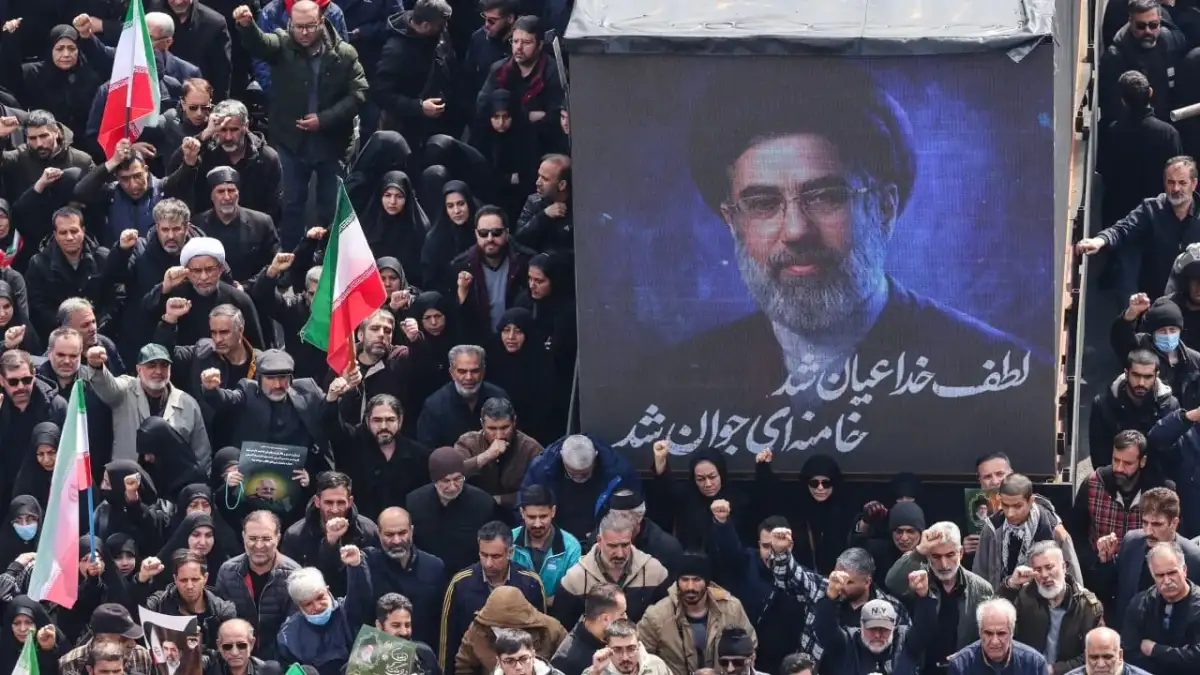
The current instability is the continuation of Operation Roaring Lion, which commenced on February 28, 2026. This operation involved coordinated US-Israeli strikes targeting military sites and areas proximal to the office of Supreme Leader Ayatollah Ali Khamenei. Since that point, the conflict has moved from intermittent skirmishes to a state of sustained emergency. Major cities, including Tehran and Tabriz, have seen significant population movement, with public anxiety fueled by the suspension of airspace and the shifting of hospital infrastructure to underground facilities. The conflict appears to be moving toward a point of permanent mobilization rather than localized deterrence.
Read More: Rachel Reeves mansion tax plan for England and Wales affects 150,000 homes before Autumn Budget