.jpg)
ICE agents have rounded up hundreds in New York City under tactics that ensnare individuals with no criminal histories, a move decried by advocates as "collateral damage" from intensified immigration enforcement.
== The stark reality is that a significant majority of immigrants caught in these dragnet operations, specifically 76% in New York City, have no prior criminal convictions or pending charges.== This contrasts sharply with the agency's broader claims of targeting "the worst of the worst." Nationwide, ICE stated that 70% of those arrested had criminal records, a figure ICE officials declined to elaborate on when pressed about New York City's significantly lower percentage.

This approach, often termed "collateral arrests," involves apprehending individuals who happen to be present during an operation aimed at someone else. Reports indicate agents have targeted neighborhoods and even courthouses, apprehending people based on their proximity rather than specific suspicion. This practice, while not new, has seen a marked increase, with agents reportedly urged to "push the envelope" and operate with less adherence to traditional warrant requirements, sometimes generating warrants after the fact.
Read More: US Halts Green Card Holders Entry From Some African Nations
ELECTED OFFICIALS DETAINED AMIDST PROTESTS OVER CONDITIONS AND TACTICS
The heightened enforcement has also drawn the attention of local government officials. Over a dozen New York state and city elected representatives have been arrested while protesting conditions at facilities like 26 Federal Plaza, the Manhattan immigration court and ICE field office.

Elected officials, including State Senator Julia Salazar and Assembly Member Emily Gallagher, were detained for attempting to inspect lockup areas and highlight what civil rights groups and judges have flagged as overcrowded and unsanitary conditions.
These protests underscore a broader conflict, with lawmakers asserting their authority to inspect detention facilities and decrying the administration's immigration tactics.
Several arrests occurred during protests against federal actions, with activists employing methods like makeshift barricades to impede government vehicles.
LOCAL JAILS BECOME HUB FOR FEDERAL IMMIGRATION ARRESTS
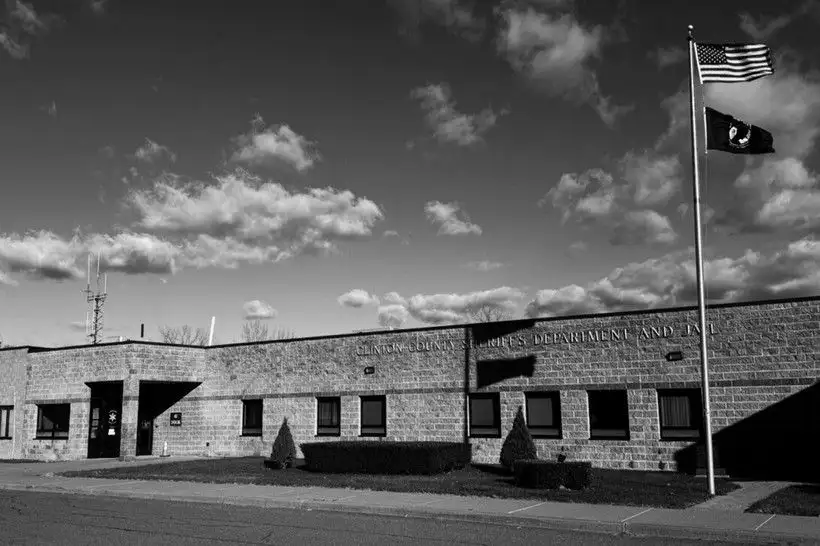
The data reveals a significant reliance on local detention facilities to facilitate federal immigration arrests. New York's county jails have held six times more individuals for federal immigration authorities this year than in all of the previous year. This surge indicates a deepening entanglement between local law enforcement and ICE operations.

Local jails are identified as a "key part" of ICE's "arrest apparatus," enabling the apprehension of individuals already in police custody.
Strategies by states like New York to limit ICE's access to local jails have shown some impact, with ICE arrests remaining lower in these areas compared to others.
However, a broader trend points to an "indiscriminate level of community arrests and detention" nationwide, facilitated by this local infrastructure.
BACKGROUND
The current wave of intensified immigration enforcement, particularly the focus on "collateral arrests," appears to align with directives from the Trump administration. Reports suggest a push to increase arrests, with internal communications emphasizing the need for creativity and pushing boundaries. This has led to criticism from immigrant advocates and legal organizations, who are pursuing federal court action challenging what they deem "unlawful warrantless ICE arrests."
Read More: Timothée Chalamet, Ben Stiller at Knicks Playoff Games in NYC Boost Fan Interest
The sheer volume of arrests, including those without criminal records, has fueled concerns about racial profiling, particularly against Hispanic men, as agents reportedly apprehend individuals at gas stations and bus stops.
Families are being fractured, with individuals who have established lives in the U.S. for decades, many with businesses and families, becoming "collateral damage."
The situation at immigration courts has also become a flashpoint, with ICE agents reportedly targeting individuals as they leave hearings, a practice criticized as an "attack on our democracy" and the rule of law.
ICE officials, however, maintain their operations are focused on "illegal aliens," including those with criminal backgrounds, and assert they will continue to make arrests at immigration courts.