Recent pronouncements from Donald Trump regarding potential U.S. military actions in Iran have drawn sharp criticism, with numerous international law experts and analysts suggesting these threats could constitute war crimes. The core of the concern lies in Trump's stated intention to target Iranian civilian infrastructure, including power plants, bridges, and water desalination facilities, unless his demands are met. Experts argue that such widespread destruction of civilian targets, particularly when framed as a coercive tactic, directly violates established international laws of armed conflict.

The persistent and explicit nature of these threats, coupled with statements indicating a disregard for potential illegality, is being viewed by some as self-incriminating evidence. Several legal scholars and commentators have highlighted that threatening to commit a war crime, even if not acted upon, can itself be considered a violation under international law, though prosecution for threats alone is seen as unlikely.
Read More: Modi: Bengal Elections are 'Maha Jungleraj' vs. BJP 'Trust'
Key Concerns and Allegations:
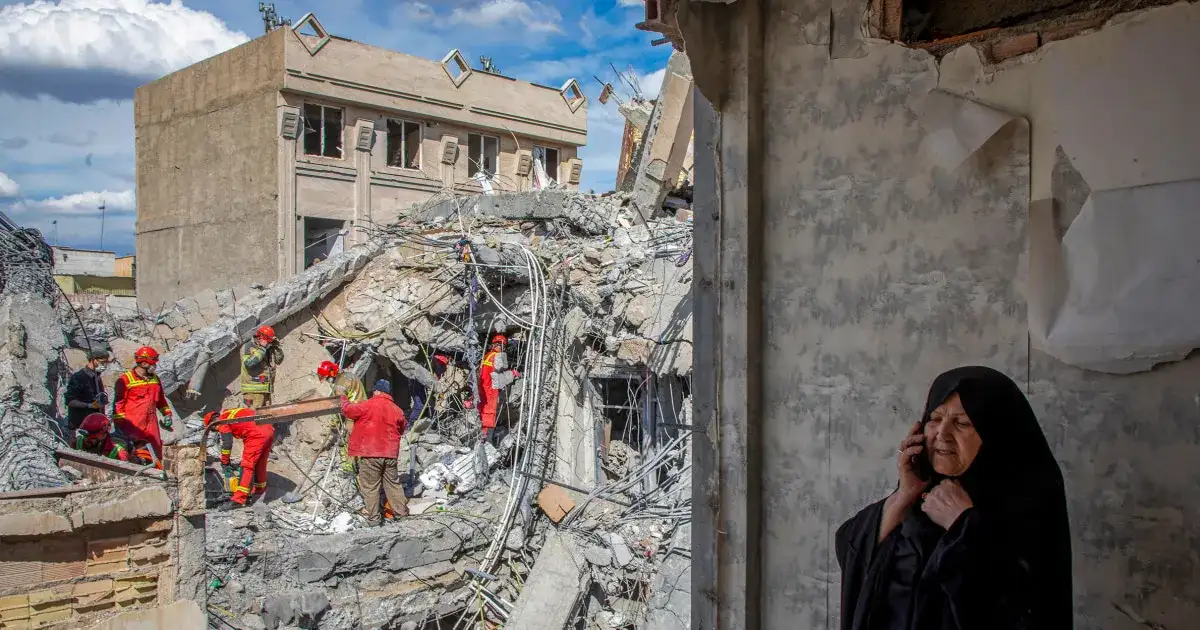
Targeting Civilian Infrastructure: Trump has repeatedly threatened to strike sites like power plants, bridges, and oil wells. International law permits attacks on civilian objects only if they primarily support military activity. The indiscriminate threat to destroy such facilities to coerce Iran is seen as a clear contravention of these rules.
"Bringing Iran Back to the Stone Ages": This particular rhetoric, alongside threats to "eradicate Iran's civilization," is cited by critics as evidence of an intent to inflict widespread harm beyond military necessity.
Self-Incrimination: Experts suggest Trump's own words, especially when pressed on the legality of his proposed actions, appear to demonstrate an awareness of the potential for war crimes while proceeding with the threats.
Lack of Concern for War Crimes: Reports indicate Trump has expressed no worry about committing war crimes, further fueling the debate around his intentions and understanding of international law.
Some legal minds point out that even if Trump were immune under domestic law, individuals acting under his orders would not be absolved if those orders resulted in war crimes. The assertion is that U.S. military personnel could face prosecution for following unlawful commands.

The situation is complicated by the fact that the U.S., Israel, and Iran are not signatories to the International Criminal Court, which typically handles such investigations. However, experts note that war crimes fall under universal jurisdiction, meaning any country could potentially prosecute such offenses at a later date, with no statute of limitations.
Background and Context:
These declarations follow a U.S. military strike on a major bridge in Iran, which reportedly resulted in casualties. The intensified rhetoric and threats appear to be linked to efforts to compel Iran to reopen the Strait of Hormuz, a critical maritime corridor. Trump has also expressed frustration with European and NATO allies for their perceived lack of support in the conflict, even threatening to withdraw the U.S. from NATO over their stance. The conflict itself began around February 28, with an initial stated goal that some interpreted as aiding Iranians in overthrowing their government. The broader context includes allegations that both the U.S. and Israel have committed possible war crimes during the month-long conflict.
Read More: US Inflation Rose Before Iran Conflict, Affecting Fed Decisions