JUST IN: Israeli forces launched significant strikes in central Beirut...
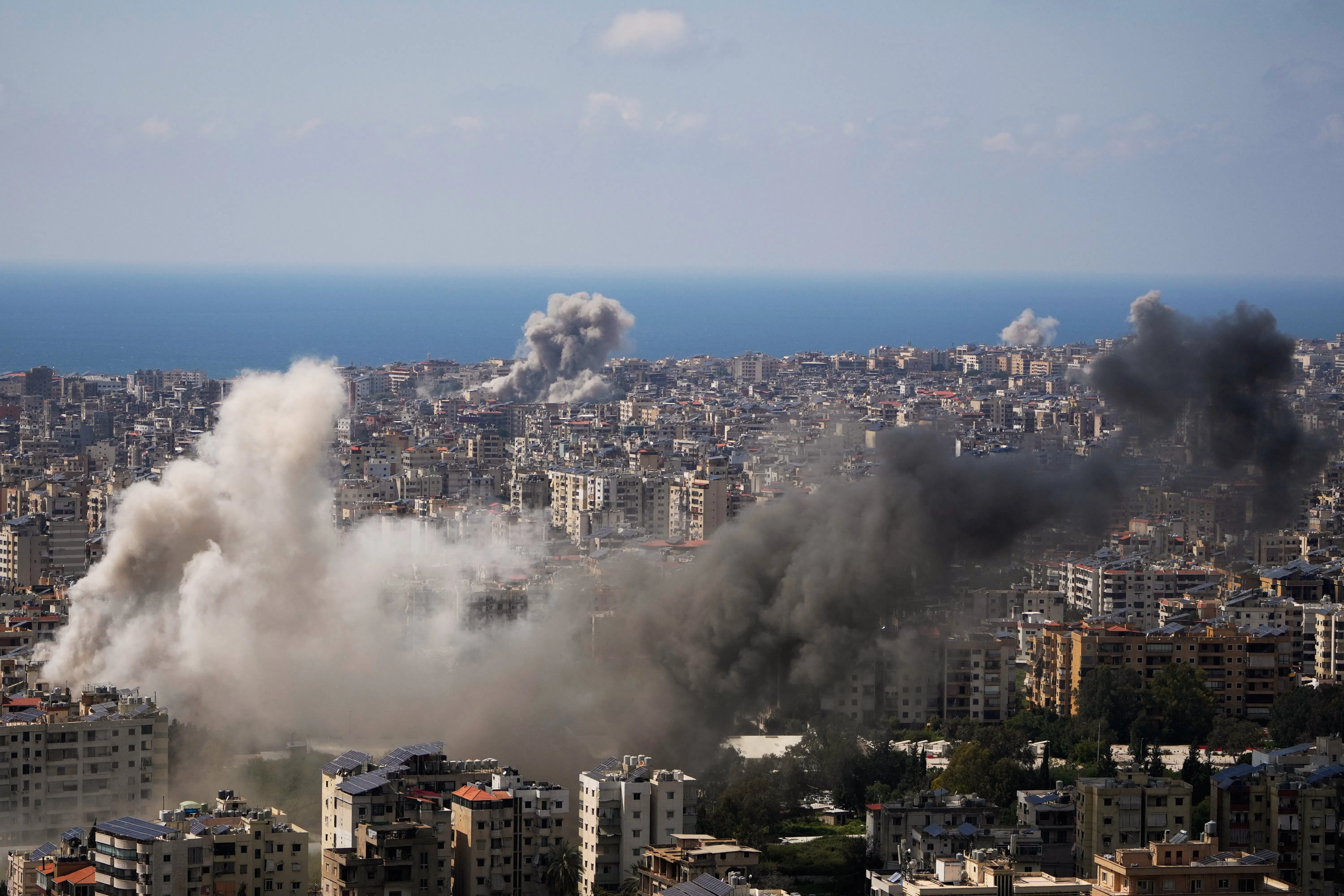
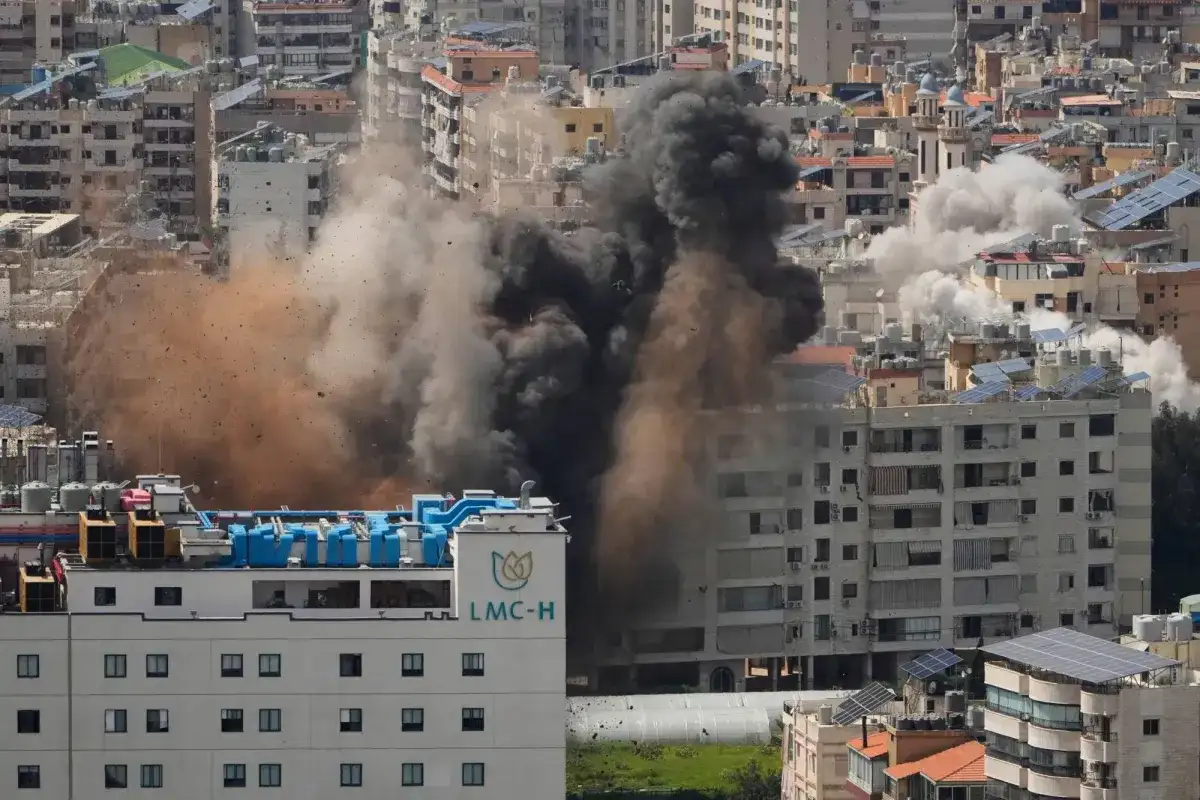
Israeli forces launched significant strikes in central Beirut on Wednesday afternoon, impacting dense commercial and residential areas with no prior alert. This action occurred mere hours after a ceasefire was announced between the U.S. and Iran, raising immediate questions about the agreement's scope and enforcement. Lebanon's health ministry reported dozens killed and hundreds wounded in an initial assessment, with later reports indicating a death toll of at least 182, marking it as the deadliest day in the current conflict.
JUST IN: Conflicting Interpretations of Truce
The core of the escalating tensions appears to hinge on differing interpretations of the ceasefire's applicability. Israel explicitly stated that the agreement did not extend to its conflict with the Iran-backed Hezbollah group in Lebanon. This stance was contradicted by mediator Pakistan, which asserted that Lebanon was indeed included in the truce.
UPDATE: Israel's Position: The Israeli military claims the ceasefire...
Israel's Position: The Israeli military claims the ceasefire does not cover operations against Hezbollah.
LATEST: Mediator's Claim: Pakistan, a broker of the truce,...
Mediator's Claim: Pakistan, a broker of the truce, maintains Lebanon is part of the agreement.
LATEST: The Israeli military stated it targeted missile launchers,...
The Israeli military stated it targeted missile launchers, command centers, and intelligence infrastructure associated with Hezbollah, describing the strikes as "Operation Eternal Darkness." Reports indicate the operation involved fifty fighter jets and approximately 160 munitions, hitting over 100 targets within ten minutes.
LATEST: Impact and Casualties
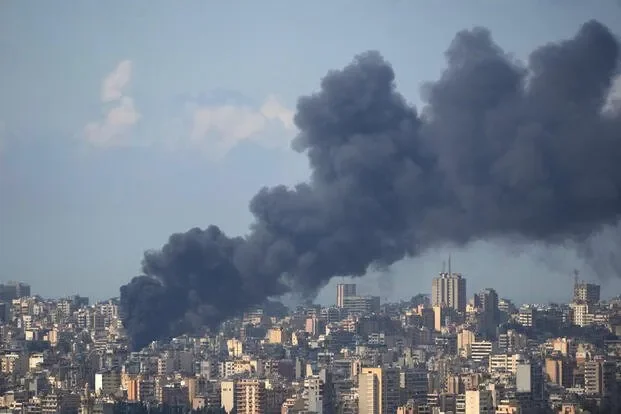
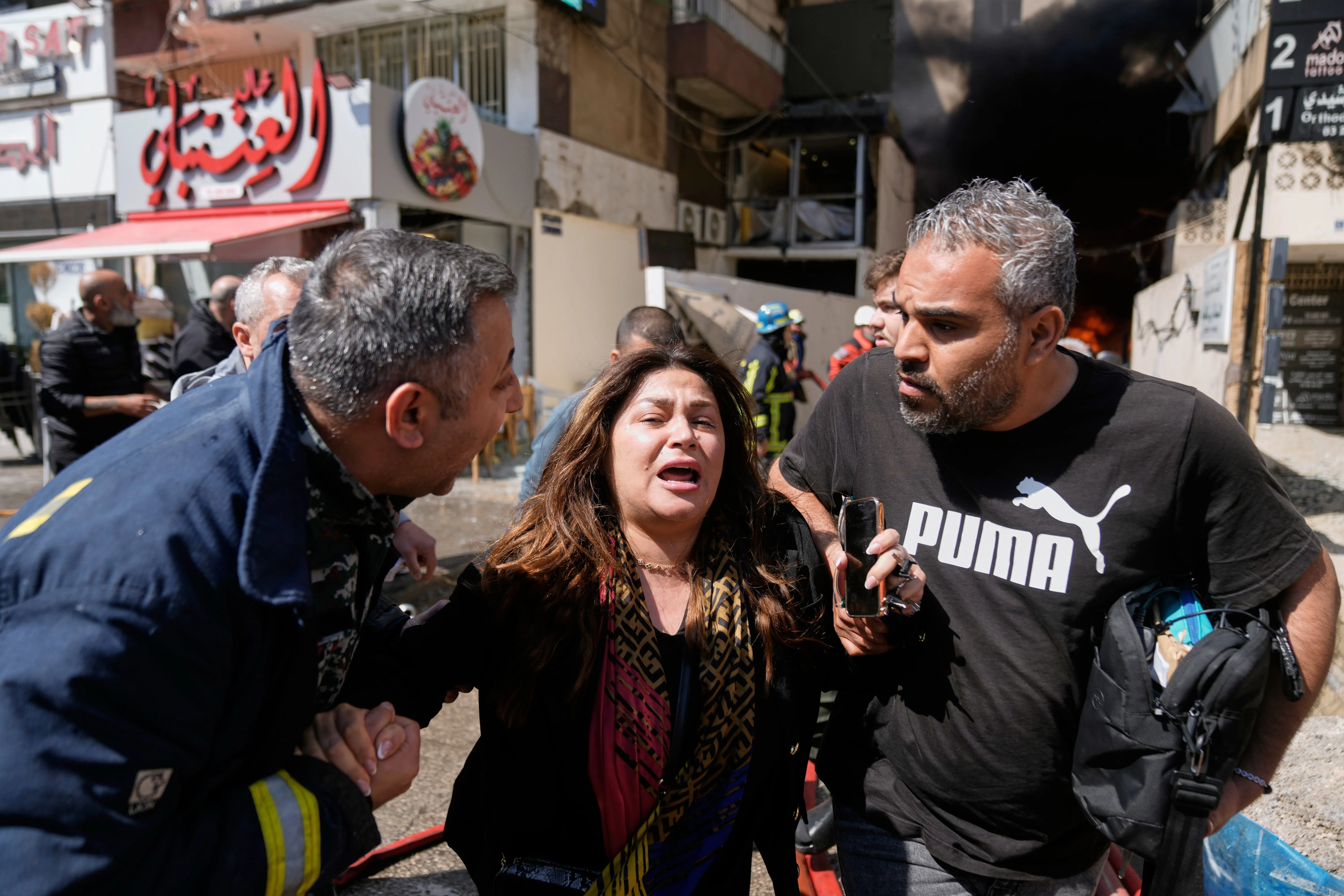
Central Beirut, an area rarely targeted in such intensity since the conflict began on March 2, experienced widespread panic as strikes hit busy commercial and residential locations during rush hour. Associated Press journalists observed charred bodies in vehicles and on the ground in mixed commercial and residential areas.
LATEST: At least 182 people killed, with hundreds wounded,...
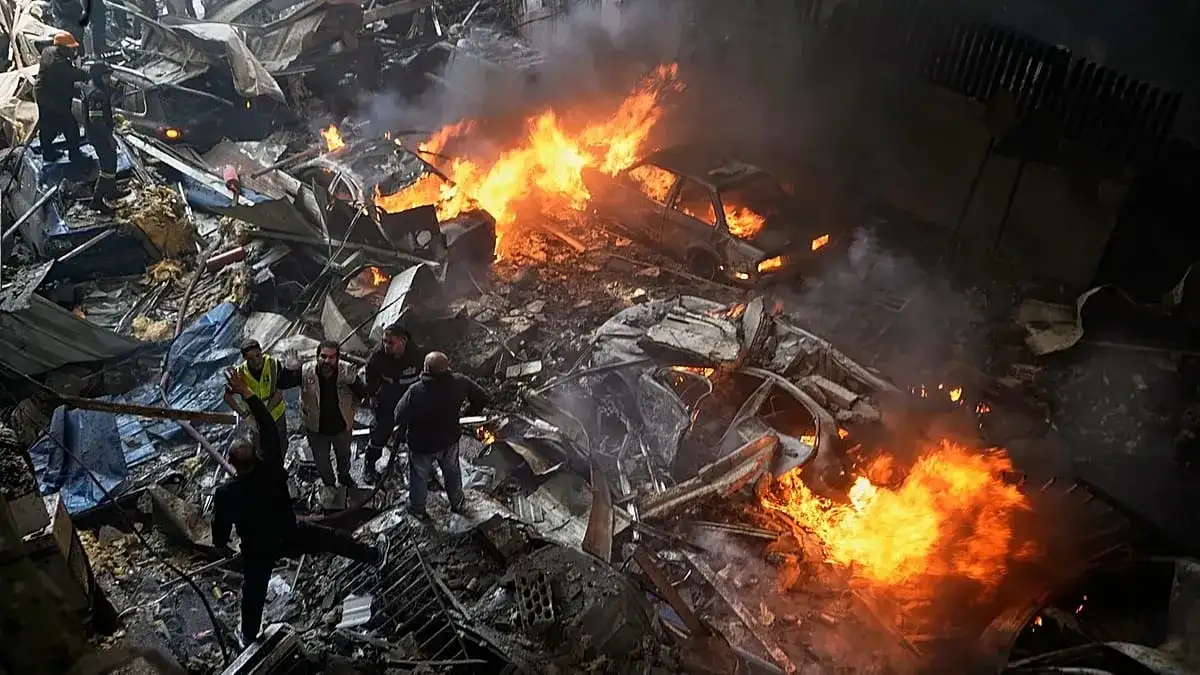
At least 182 people killed, with hundreds wounded, according to Lebanese health ministry figures.
Later reports suggest a death toll of at least 254, with 837 wounded, during a massive wave of strikes across Lebanon.
One strike reportedly hit a cemetery in the Beqaa Valley village of Shmestar during a funeral, killing at least ten mourners.
JUST IN: Wider Regional Ramifications
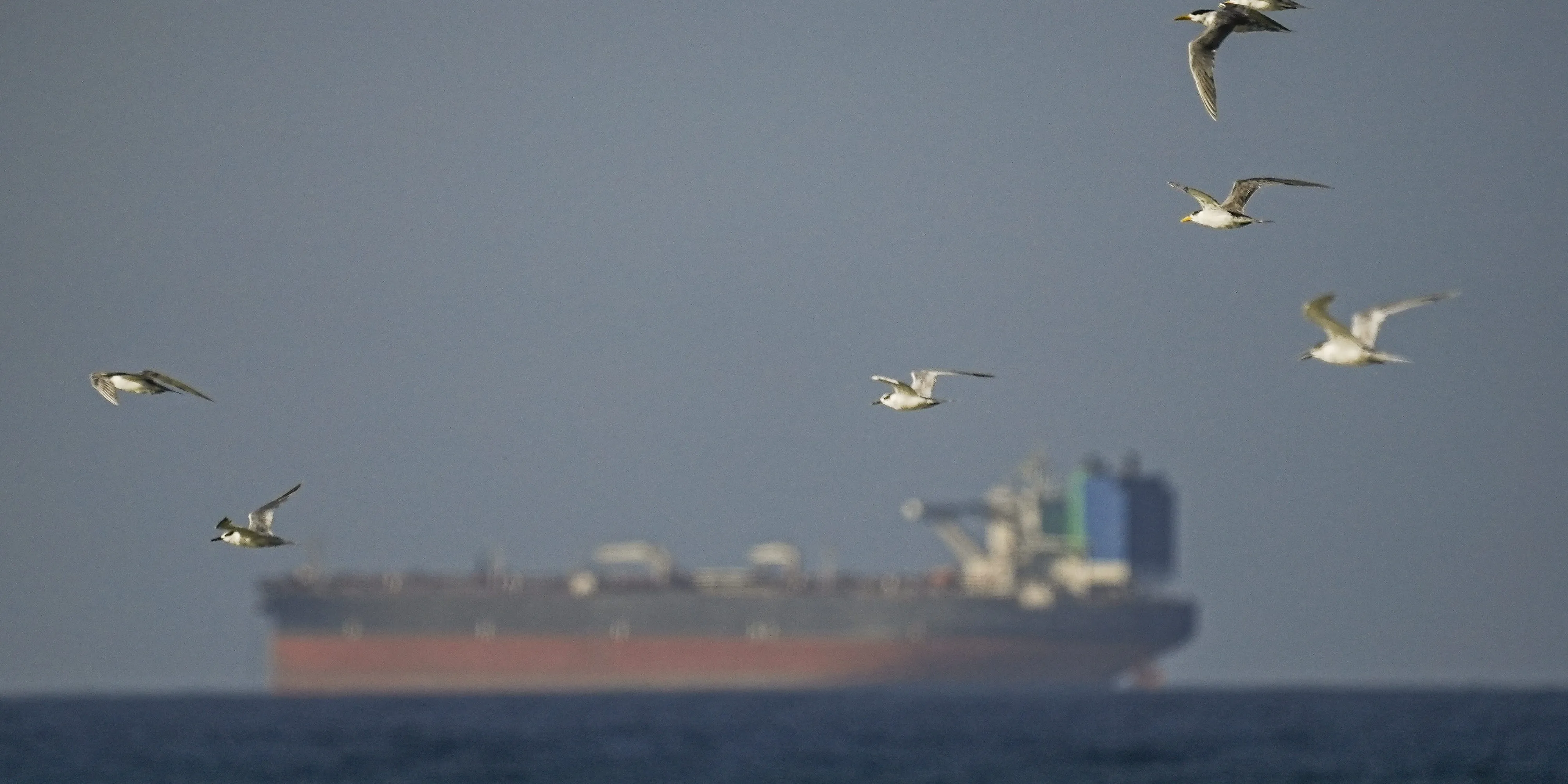
The Israeli actions have prompted strong reactions. Iran, accusing the U.S. of violating the ceasefire, threatened retaliation if Israeli aggressions against Lebanon continued. State media reported Iran closed the Strait of Hormuz, though this action's confirmation and scope remain subjects of debate. Reports also indicate an oil refinery on Iran's Lavan Island came under attack.
LATEST: Iran's Stance: Accuses the U.S.
Iran's Stance: Accuses the U.S. of ceasefire violations and threatens withdrawal from the truce.
Strait of Hormuz: Iran reportedly closed the strategic waterway in response to Israeli attacks.
International Condemnation: UN Secretary-General António Guterres "unequivocally" condemned the Israeli attack.
JUST IN: Background of the Conflict
The current exchanges follow a broader conflict that began on March 2, involving Israel and the Iran-backed Hezbollah. While Israel has regularly struck southern and eastern Lebanon, and Beirut's southern suburbs, central Beirut had been relatively spared until Wednesday's extensive operation. The conflict intensified following alleged Israeli and U.S. attacks on Iran, which Hezbollah responded to with missile fire into Israel. The U.S. and Iran had just agreed to a two-week ceasefire, brokered partly by Pakistan, based on an Iranian proposal. However, divergent accounts of the agreement's terms, particularly regarding Lebanon, have led to its immediate destabilization.