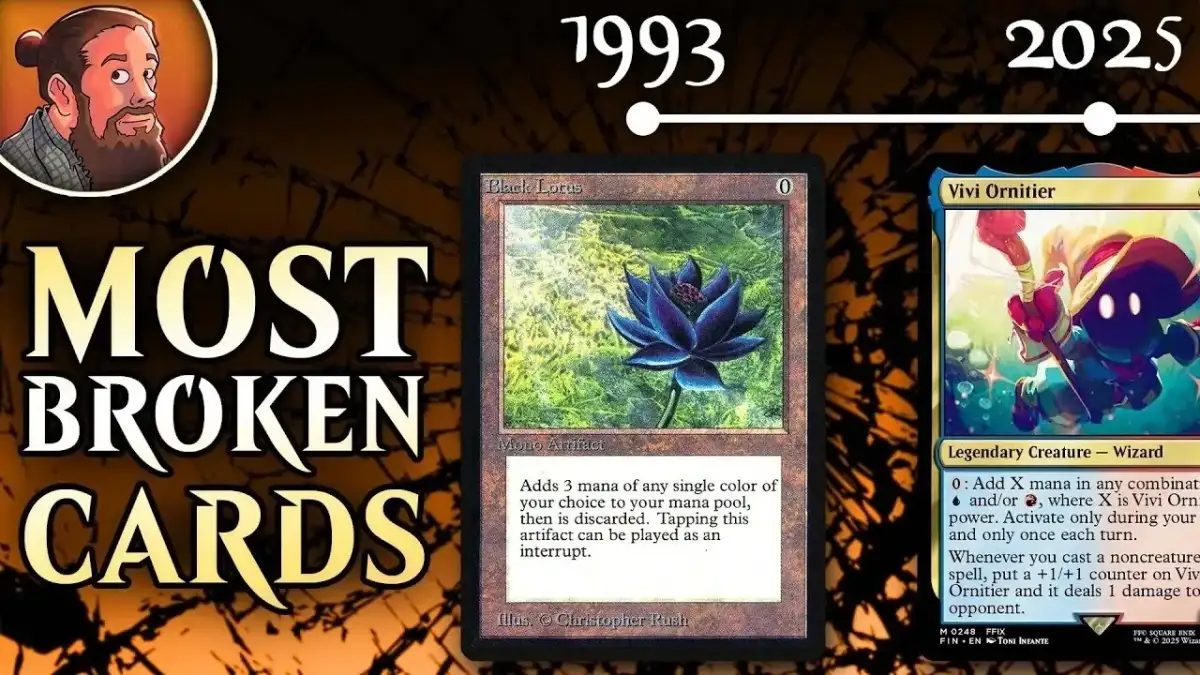
The persistent shadow of "broken" cards continues to shape the discourse around Magic: The Gathering, a testament to design choices that have, over decades, irrevocably altered the game's landscape. These power outliers, capable of overwhelming opponents with sheer efficiency or convoluted synergies, remain a focal point for players and commentators.

The concept of a card being so powerful it "breaks" the intended rules or balance of a game, a recurring theme across multiple analyses of Magic: The Gathering's history, highlights a persistent tension between design ambition and player experience. Discussions frequently point to cards that enable extreme mana acceleration, hand advantage, or resource denial, often in the very early stages of a match. For instance, a Black Lotus, alongside cards like Eye of Ugin, could facilitate the casting of multiple high-mana-cost spells on turn one. Similarly, Yawgmoth's Will, particularly within the context of the Urza block, allowed for the reuse of spells and resources, effectively undoing the traditional limitations of mana and card expenditure. These examples illustrate how specific cards have been singled out for their capacity to create insurmountable advantages.
Read More: Minos Game Lets You Build Mazes to Trap Adventurers on Steam
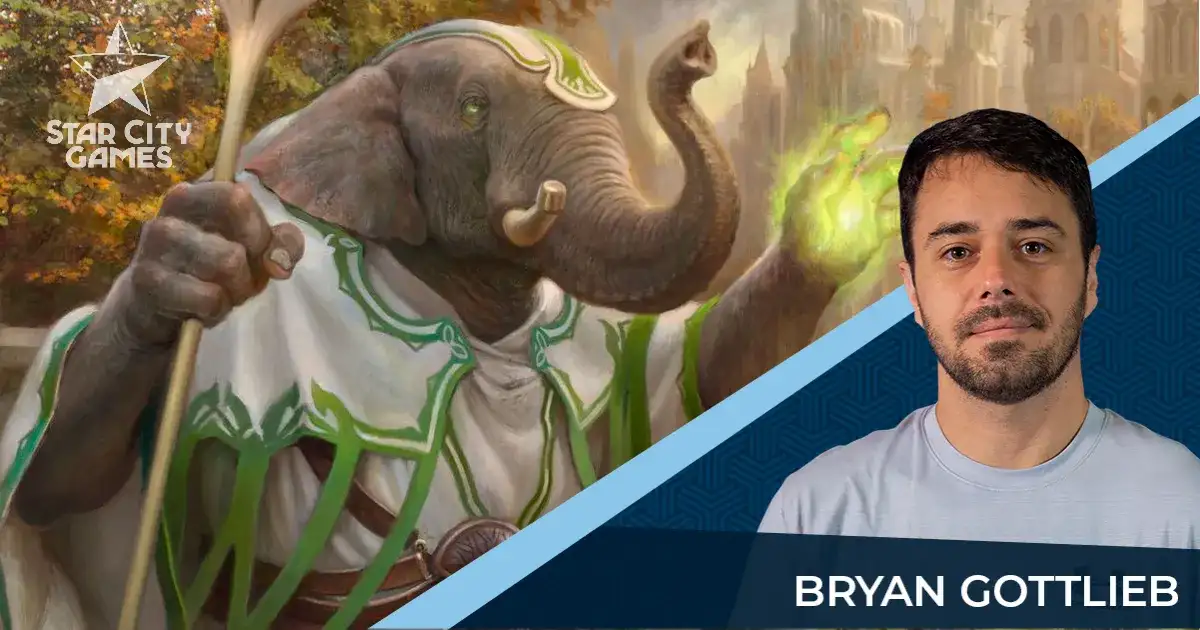
Further examination reveals categories of these disruptive cards. Legendary creatures, a distinct card type, have also seen their share of imbalance. Figures such as Urza offered potent mana generation, while Thrasios, Triton Hero and Edgar Markov are noted for their significant impact on board states and game plans, especially within formats like Commander. The ability for these specific entities to dictate the flow of the game, often through unique abilities like "eminence," underscores a recurring pattern of powerful, singular elements dominating play.
The ongoing analysis of these cards, spanning years and multiple publications, suggests a cyclical engagement with Magic's design history. Older, highly disruptive cards continue to be referenced, while newer potential threats are also assessed for their capacity to reach similar levels of "brokenness." This continuous re-evaluation indicates a persistent fascination with, and critique of, the game's most powerful, and sometimes problematic, inclusions.
Read More: Superman Game First Appears as Theme Park Ride, Not Video Game