


Reform UK has put forward a significant number of candidates for the upcoming Scottish Parliament elections, with at least three constituency hopefuls having previously expressed support for Scottish independence. However, the identities of these individuals have been deliberately withheld by the party. This deliberate obscurity surrounding candidates with ostensibly contradictory political leanings raises questions about Reform UK's strategic positioning and its appeal across the political spectrum in Scotland. The party's Scottish leader, Malcolm Offord, acknowledged the existence of these candidates but declined to name them, citing a need to "check with Lord Offord first."
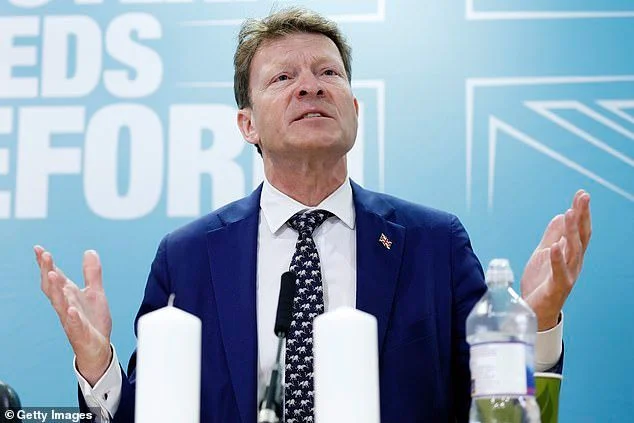
Campaign Struggles and Shifting Allegiances
The Reform UK campaign in Scotland has been marked by notable turbulence, with a reported four candidates stepping down or facing suspension since the party's leader, Nigel Farage, appeared with them. This instability comes as parties across Scotland launch their campaigns, seeking to capture the attention of voters who, according to recent polling, remain largely undecided. The situation has led to sharp exchanges between parties, with Scottish Labour leader Anas Sarwar accusing SNP leader John Swinney of deflecting from his party's record by focusing on Reform UK, and Swinney, in turn, warning of potential "backroom deals" between Labour and Reform should the SNP lack a majority.
Read More: Taiwan Holds Nantou County Drills to Prepare for State Collapse

A Contested Political Landscape
Reform UK is presenting candidates in all of Scotland's Holyrood constituencies. Reports indicate that nearly half of these candidates are former members of the Conservative Party. This has led to accusations from Scottish Labour that Reform UK is merely a rebranded Tory outfit. The party's manifesto outlines a platform critical of current environmental policies, deeming "net zero policies" too stringent and detrimental to economic growth and competitiveness.

Reform UK's Ambitions and Background
Reform UK positions itself as a right-wing populist party. Its Scottish leader, Malcolm Offord, a businessman who previously served in government roles under Conservative administrations, has declared his intention to become Scotland's first minister. The party has also been characterized by its accessible membership fees, significantly lower than those of the Labour Party. Reform UK's presence in Scotland is seen by some as a potential disruptive force, with a recent poll suggesting the party could secure a significant number of seats and narrowly trail the SNP in constituency vote share.
Read More: Cairngorms National Park bans campfires and barbecues until September 2026

The core tension appears to be Reform UK's attempt to broaden its appeal by including candidates with seemingly pro-independence sentiments, while simultaneously maintaining a stance that generally aligns with unionist positions, a move that has left its electoral strategy shrouded in ambiguity.






