Donald Trump stated recently that discussions with Iran regarding a cessation of hostilities are ongoing, simultaneously announcing what he termed a ceasefire between Israel and Lebanon. This declaration comes on the heels of renewed conflict and diplomatic maneuvering in the region.
The president’s assertion of continuing talks with Iran, alongside the proclamation of an Israel-Lebanon ceasefire, offers a counter-narrative to the prevailing atmosphere of escalation. Reports from the ground, however, suggest a more complex and volatile reality. Details regarding the specific terms of any potential agreement with Iran, or the verified extent of the Israel-Lebanon ceasefire, remain sparsely illuminated.
Iran's Stance and Regional Dynamics
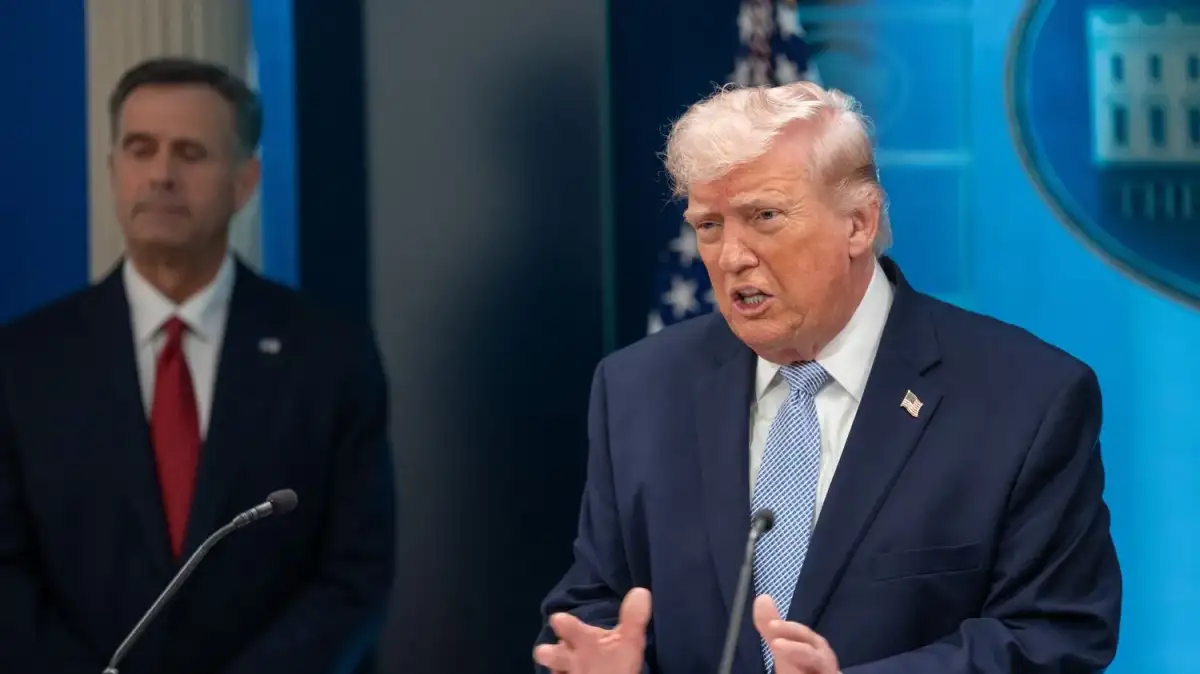
Reports from Iran indicated that the nation had "rebuilt" its forces during a prior period of truce and issued threats towards the United States. This declaration, published roughly a day ago, adds a layer of significant friction to any purported ongoing dialogue. Furthermore, FranceInfo reported an ultimatum issued by Trump to Tehran, demanding acceptance of a ceasefire agreement. The ultimatum threatened the destruction of critical Iranian infrastructure by a specific time if a ceasefire and the unblocking of the Strait of Hormuz were not secured.
Read More: Taiwan Holds Nantou County Drills to Prepare for State Collapse
The Israel-Lebanon Situation
Regarding Israel and Lebanon, reports suggest an Israeli intent to "intensify" operations in Lebanon to "crush" Hezbollah, a statement made approximately two days ago. This directly contrasts with Trump's announcement of a ceasefire. It remains unclear whether Trump's declaration refers to a cessation of recent escalations or a more definitive halt to hostilities.
Broader Context and Domestic Affairs
The diplomatic overtures occur against a backdrop of various domestic and international concerns surrounding Donald Trump. These include legal challenges to his initiatives, such as a frozen fund intended to indemnify opponents of Biden, and questions surrounding his health. The upcoming 250th anniversary celebrations for the United States also saw Trump contemplating the cancellation of concerts to deliver a speech, drawing comparisons to Elvis Presley.
Historical Underpinnings
Discussions around the Israeli-Palestinian conflict have been a persistent element in Donald Trump's political tenure. Earlier reports from Le Monde alluded to a notable ambiguity in his approach to this protracted dispute. The current situation, with its intertwined threats of regional conflict and contested diplomatic progress, echoes previous patterns of intense rhetoric and uncertain outcomes in the region.
Read More: AFP Reviews War Crime Claims Against Australian in Gaza