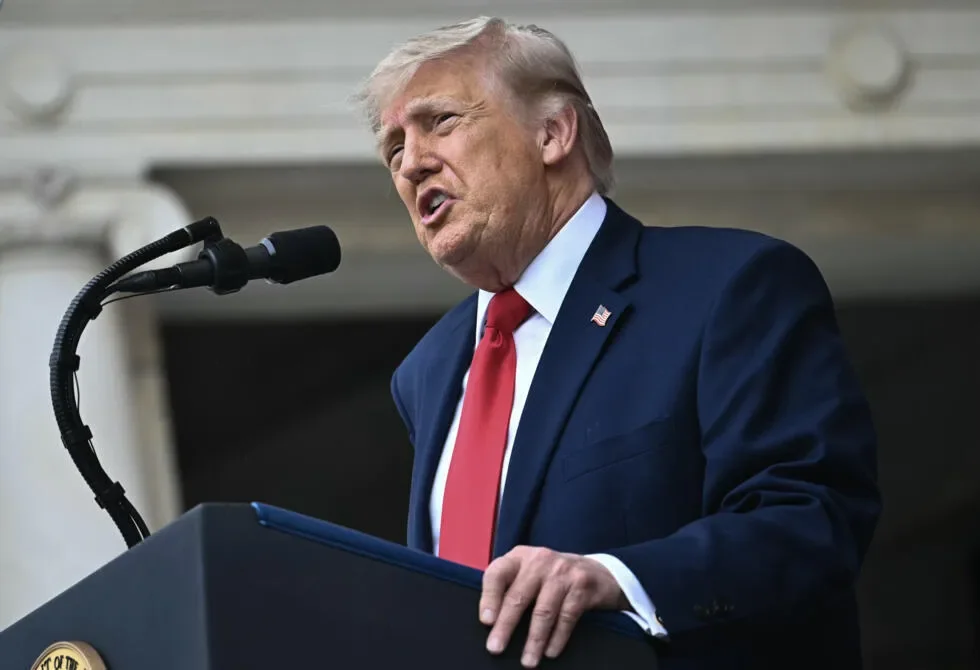
Washington - Statements from Donald Trump regarding a "largely negotiated" deal with Iran, which he claims would include the opening of the Strait of Hormuz, remain a focal point of international discourse. The specifics and the actual state of these negotiations are mired in uncertainty, even as tensions escalate in the Middle East. Trump's assertions about a near-complete agreement contrast with indications that significant hurdles persist in resolving the complex issues with Iran.
Further complicating the picture, Iran's Revolutionary Guard Corps have established a new official body asserting "absolute sovereignty" over the Strait of Hormuz. This strategic maritime passage, crucial for global trade, has become a flashpoint, raising questions about its potential to trigger a broader crisis. Reports indicate that Trump has been issuing a barrage of threats and intimidation tactics against Tehran, fueling concerns of a direct confrontation.
Read More: AFP Reviews War Crime Claims Against Australian in Gaza
While some reports suggest certain aspects of the negotiations with Iran are advancing, others highlight points that are entirely stalled. This uneven progress underscores the delicate and fractured nature of the ongoing diplomatic efforts. The United States has also reportedly implemented new sanctions aimed at preventing Iranian oil sales to China, a move that further complicates the regional dynamics and any potential deal.

Contextual Developments
The ongoing situation in Iran and its implications for global trade routes have been a persistent theme in recent news cycles. Reports from May 23rd mentioned that Iran claims to have "rebuilt" its forces during a truce and has issued threats against the United States. The Strait of Hormuz, specifically, has been a subject of ongoing analysis regarding its strategic importance and the potential for a prolonged crisis.
Read More: Iran Warns Gulf States After U.S. Naval Clash
In parallel, Donald Trump's international engagements have been varied. Discussions with Chinese leader Xi Jinping have been described as "extremely positive," with statements made regarding Taiwan. Trump has also been involved in trade disputes, notably imposing new tariffs on European vehicles and reducing them on Scottish whisky.
Internally, Trump's political activities have continued, including launching religious shows and creating a fund for his supporters. His influence within the Republican party appears to remain substantial, with party members in Indiana endorsing candidates he has chosen. However, his business ventures, particularly his social media platform Truth Social, have faced significant financial difficulties.
The broader geopolitical landscape has also seen other developments involving Trump, including past assertions about potential conflicts with China over Taiwan and his administration's involvement in operations in Venezuela. Discussions surrounding the nuclear issue with Iran have remained central, with Trump expressing a desire not to "rush" into an agreement.
Read More: Indus Waters Treaty remains suspended in India and Pakistan April 2026